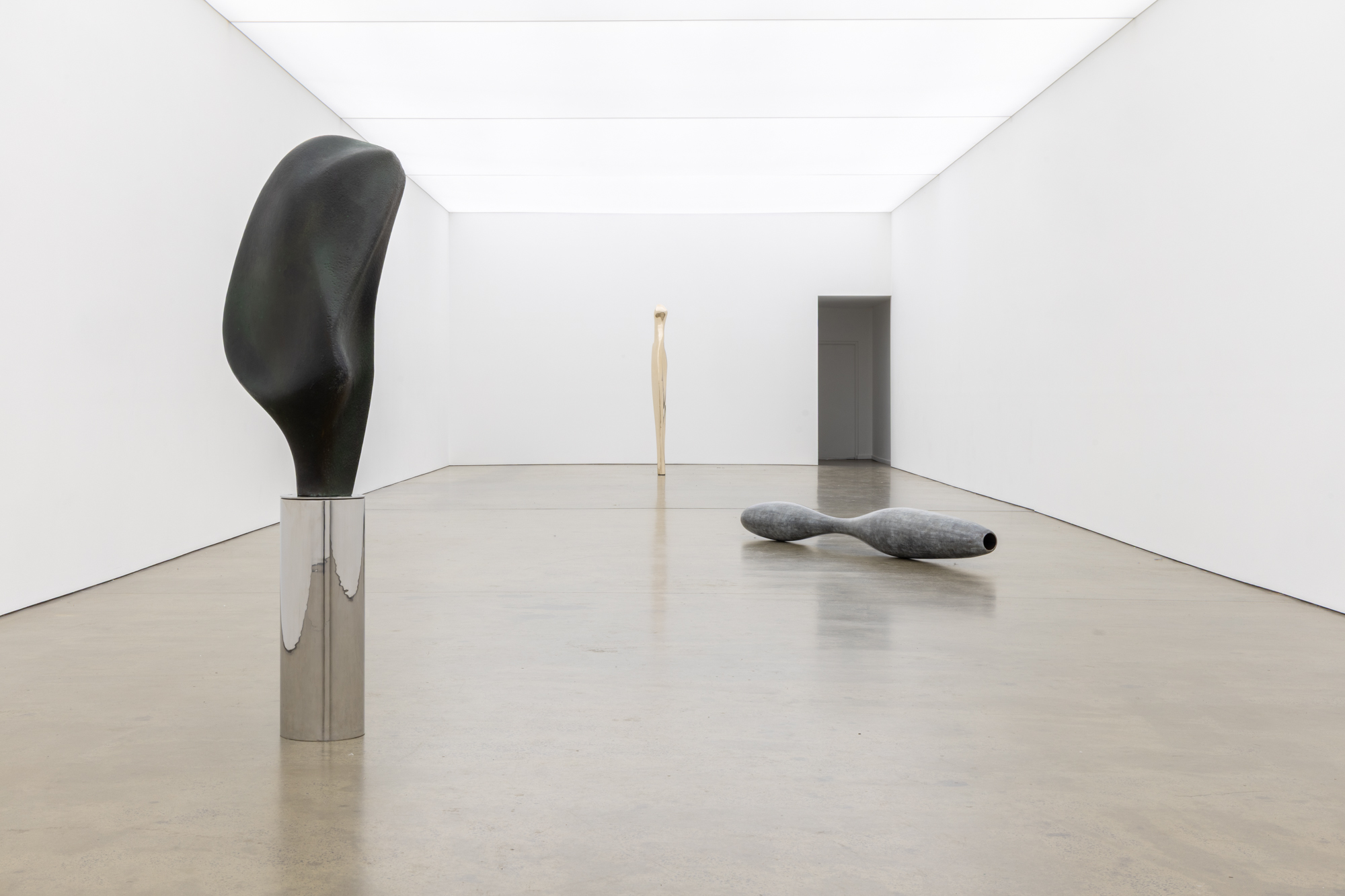
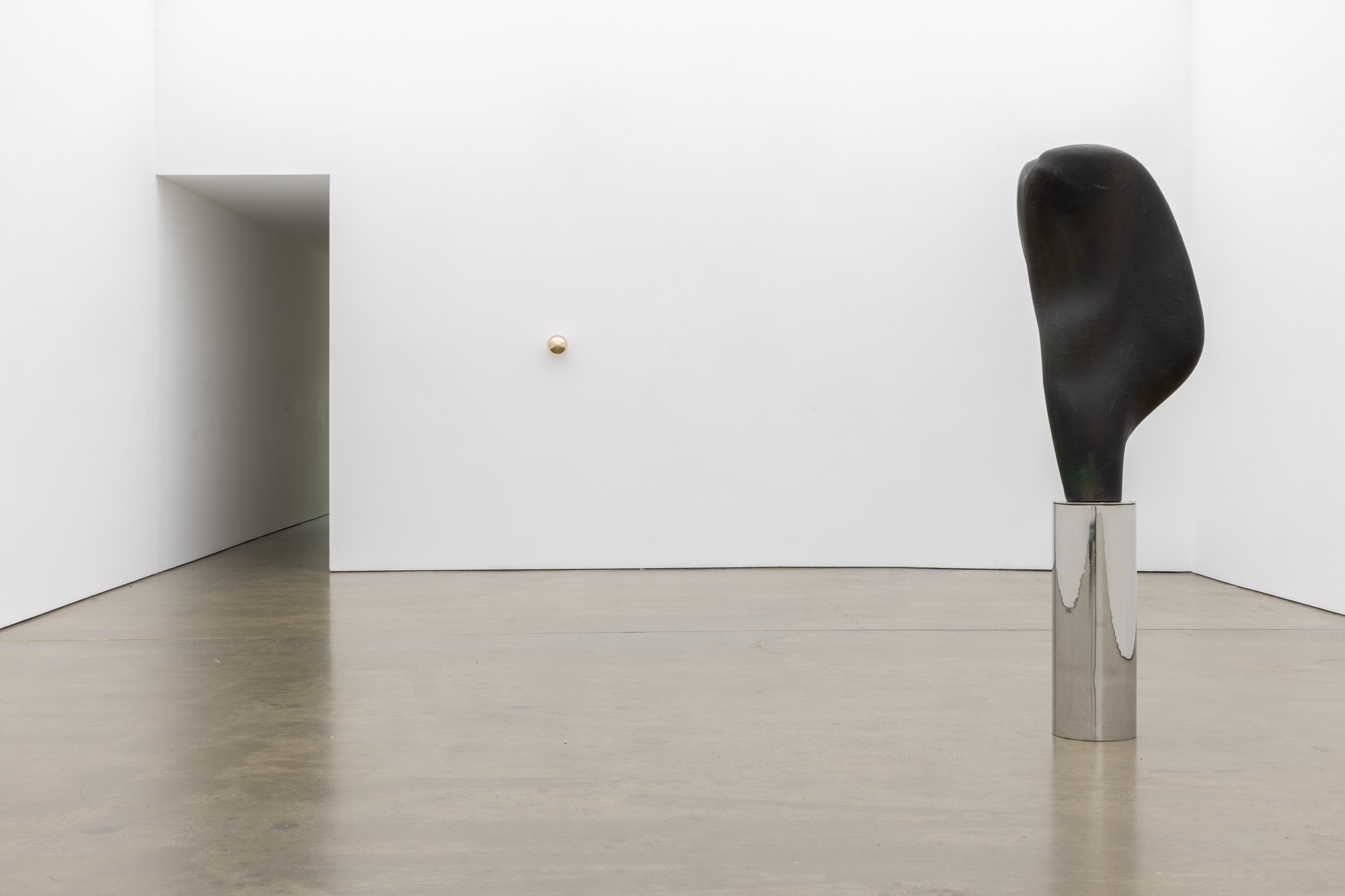
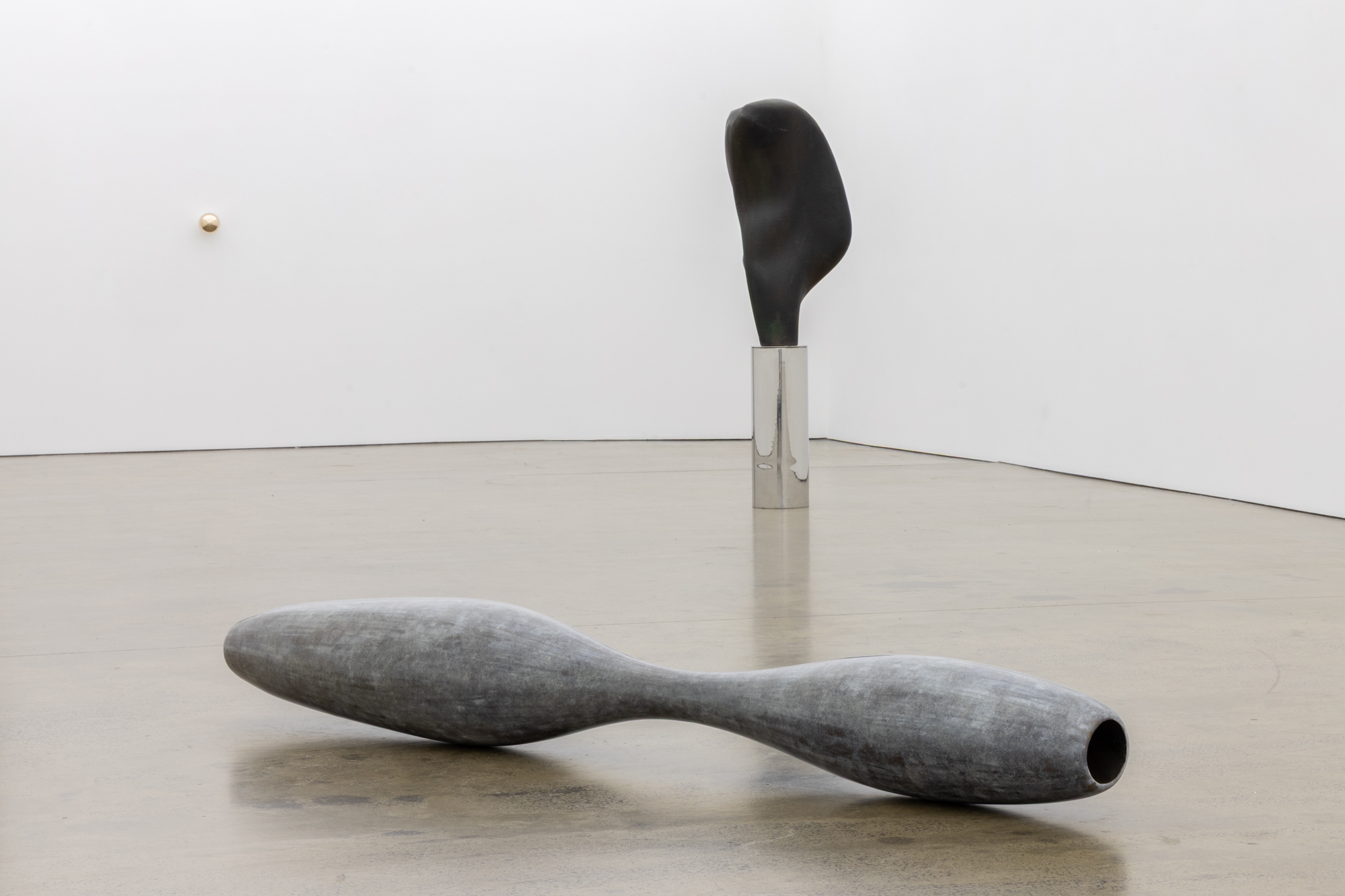
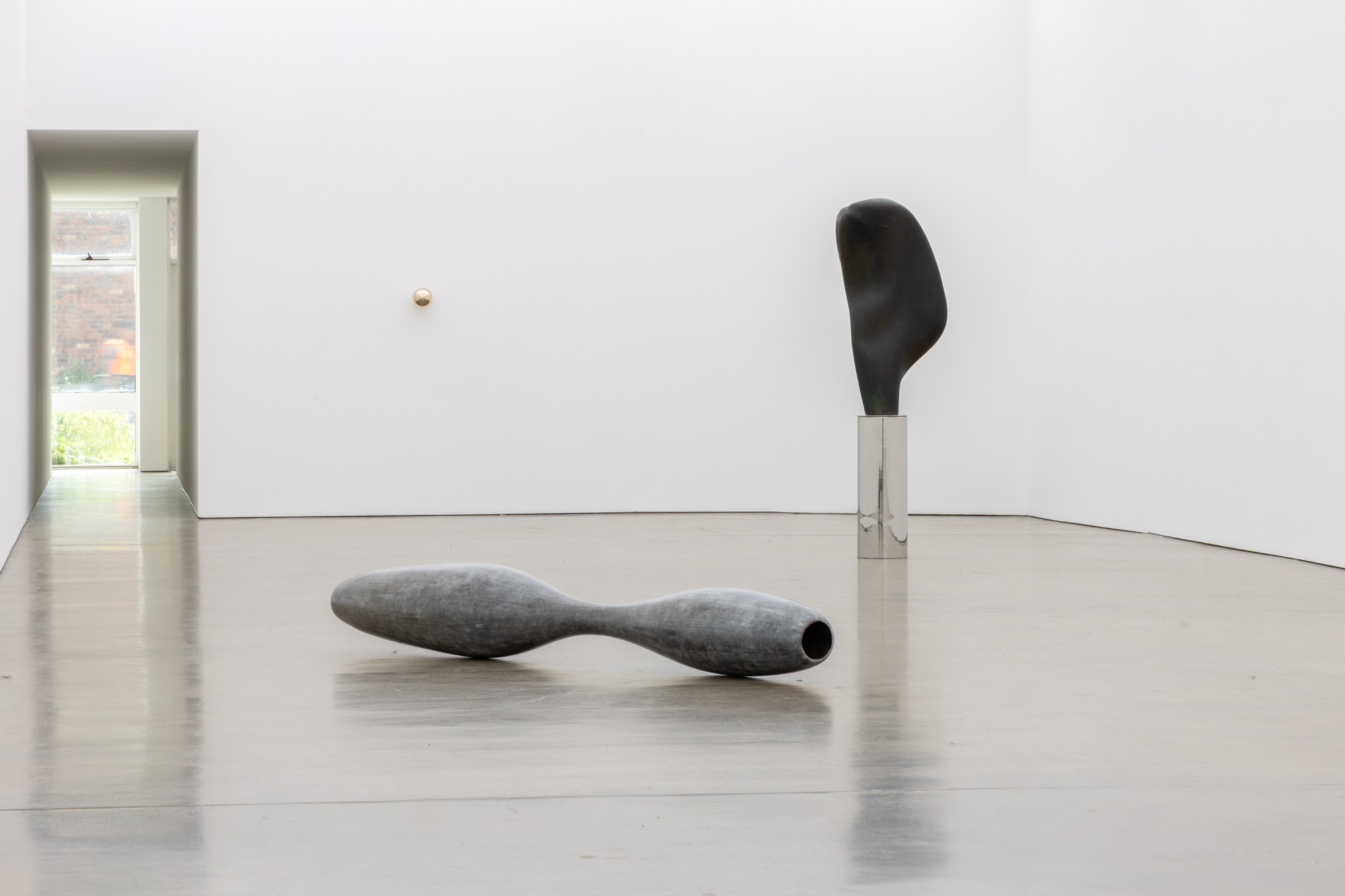
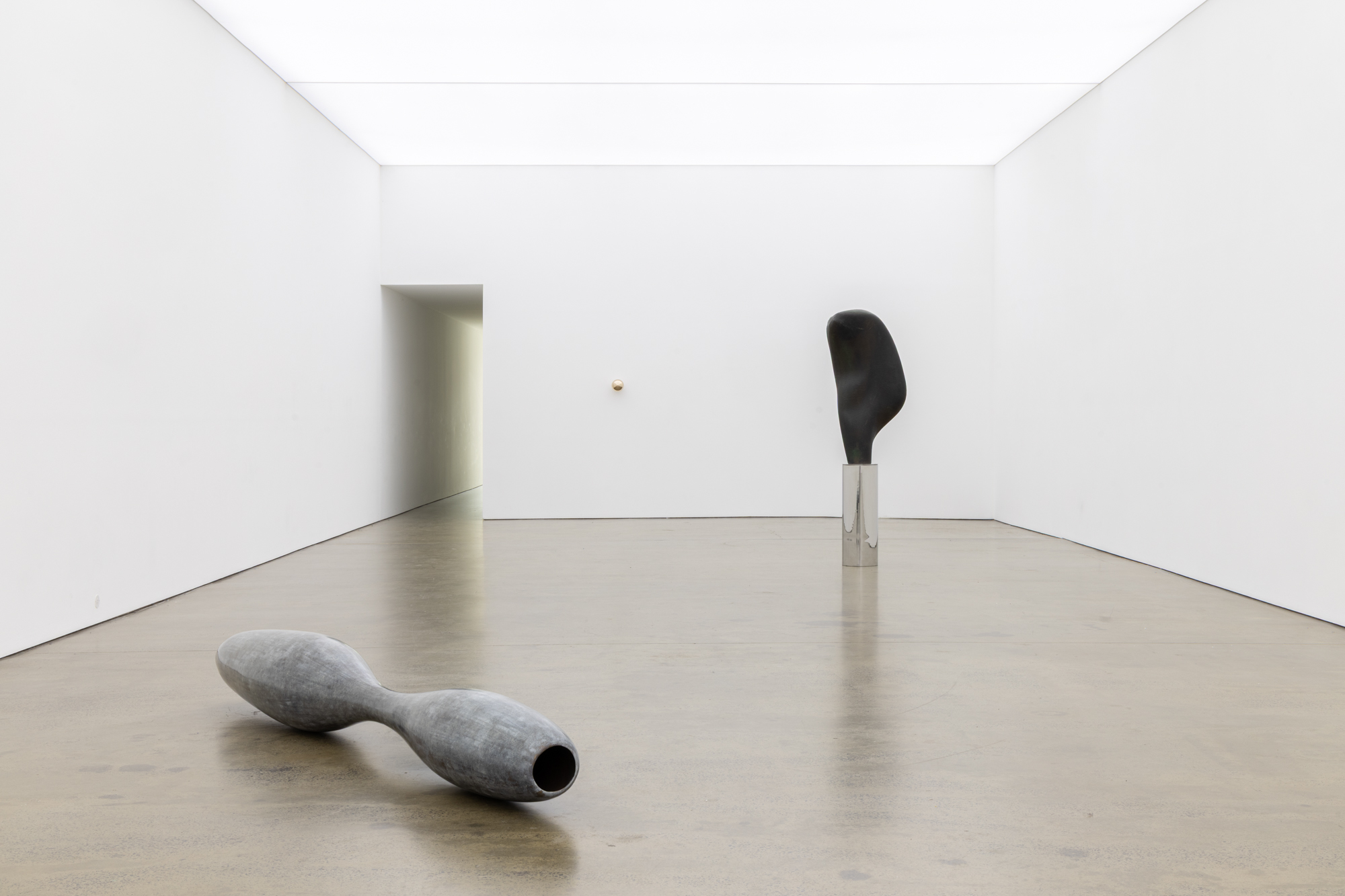
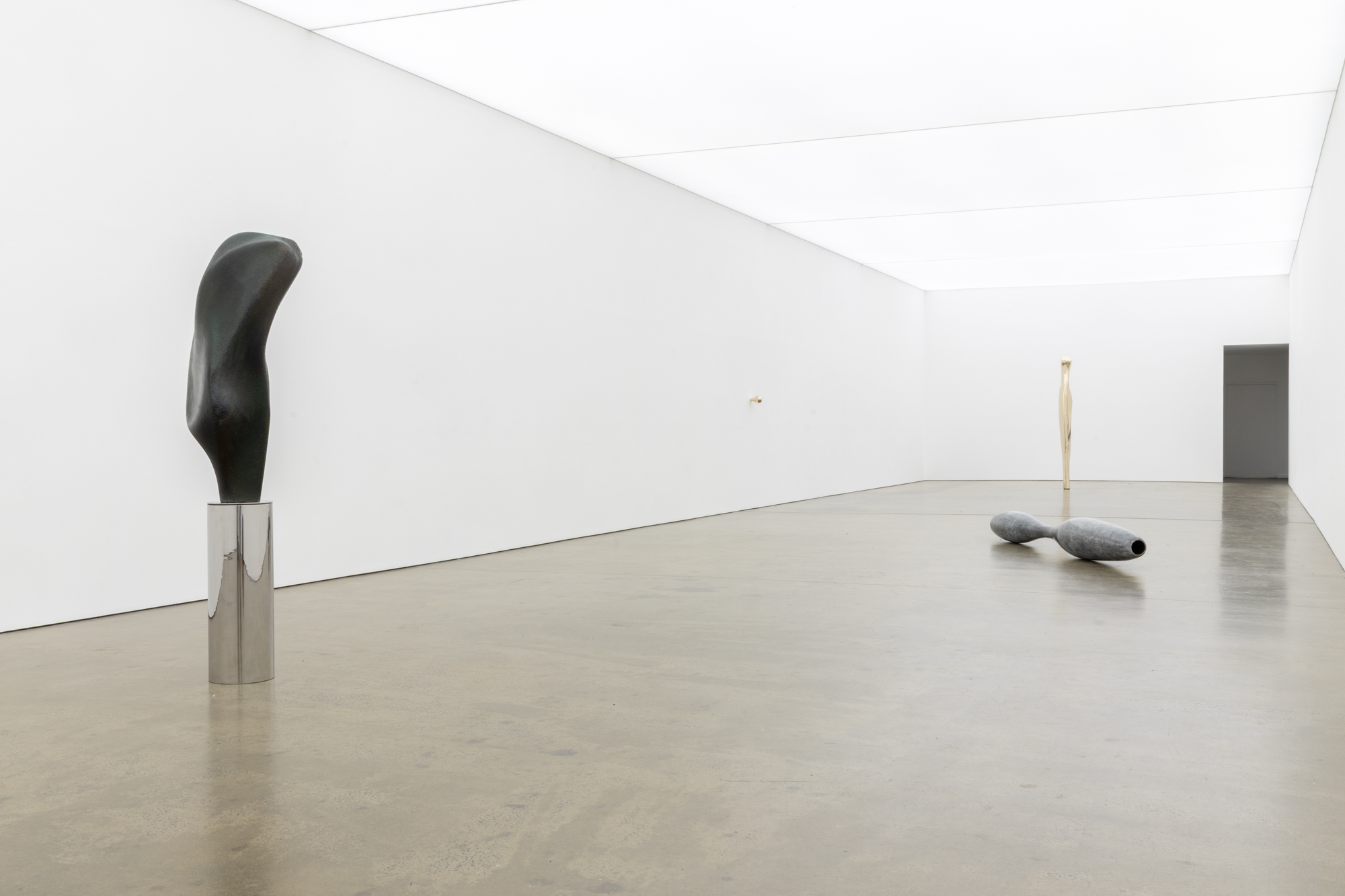
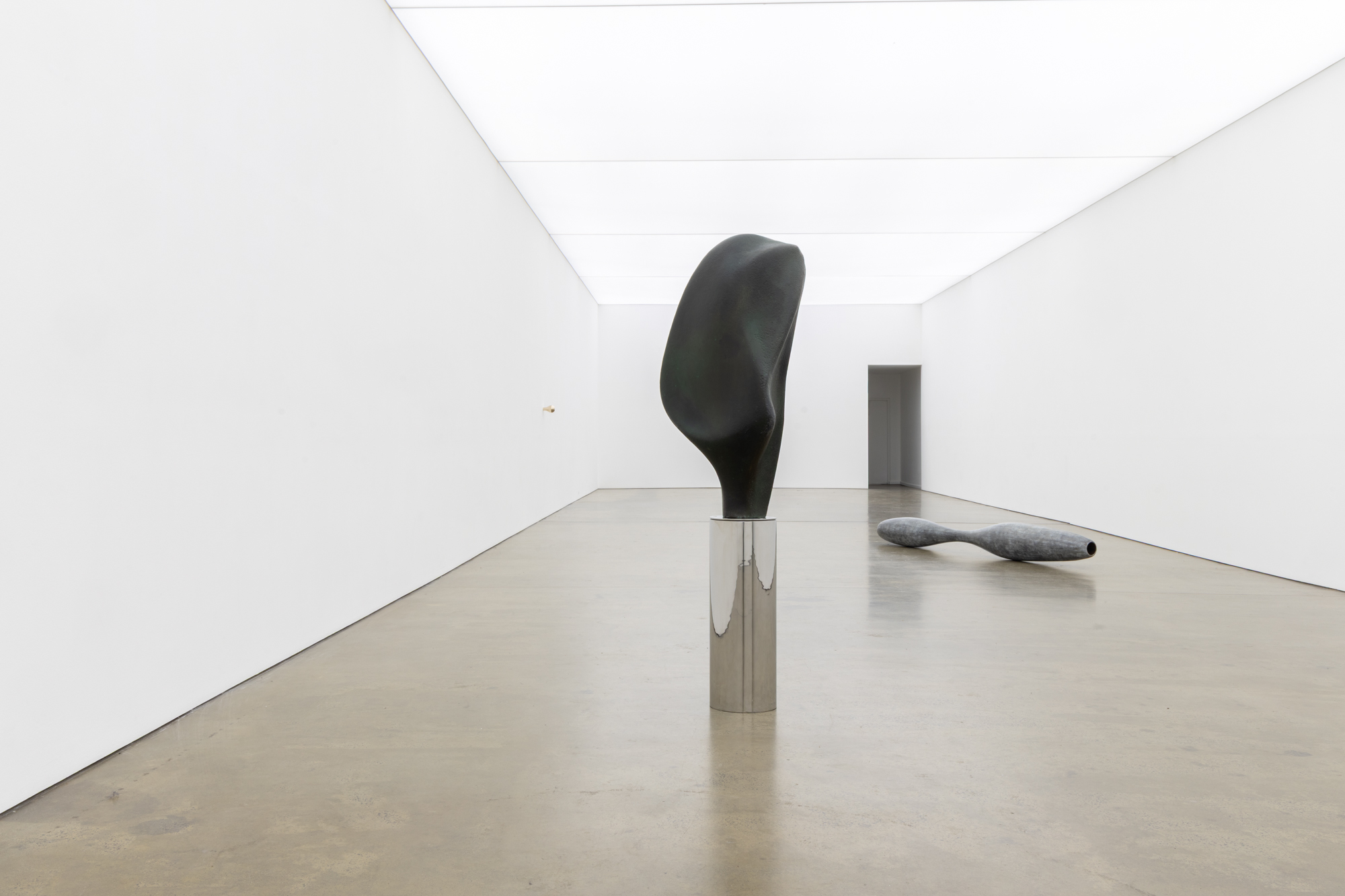
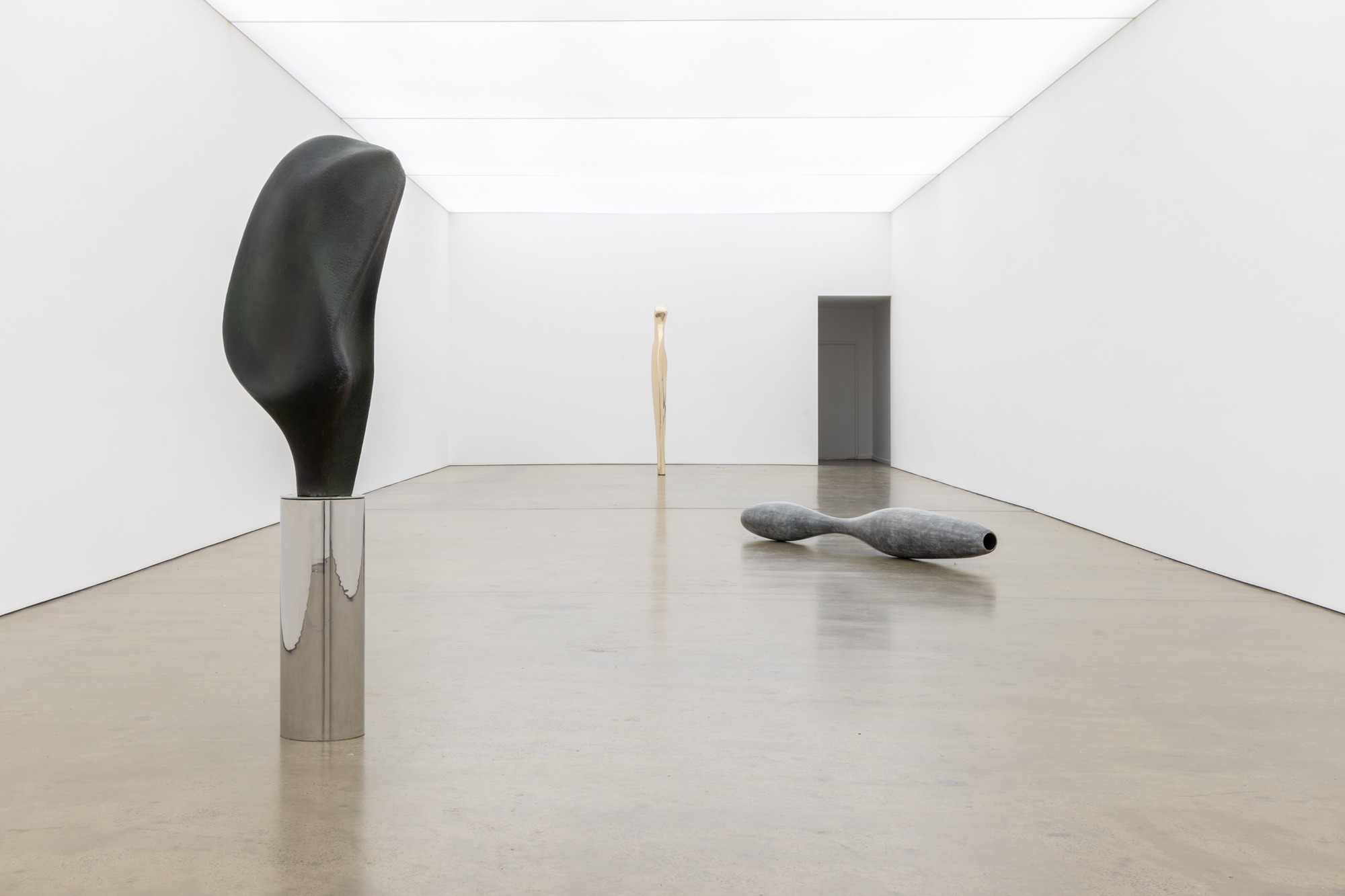
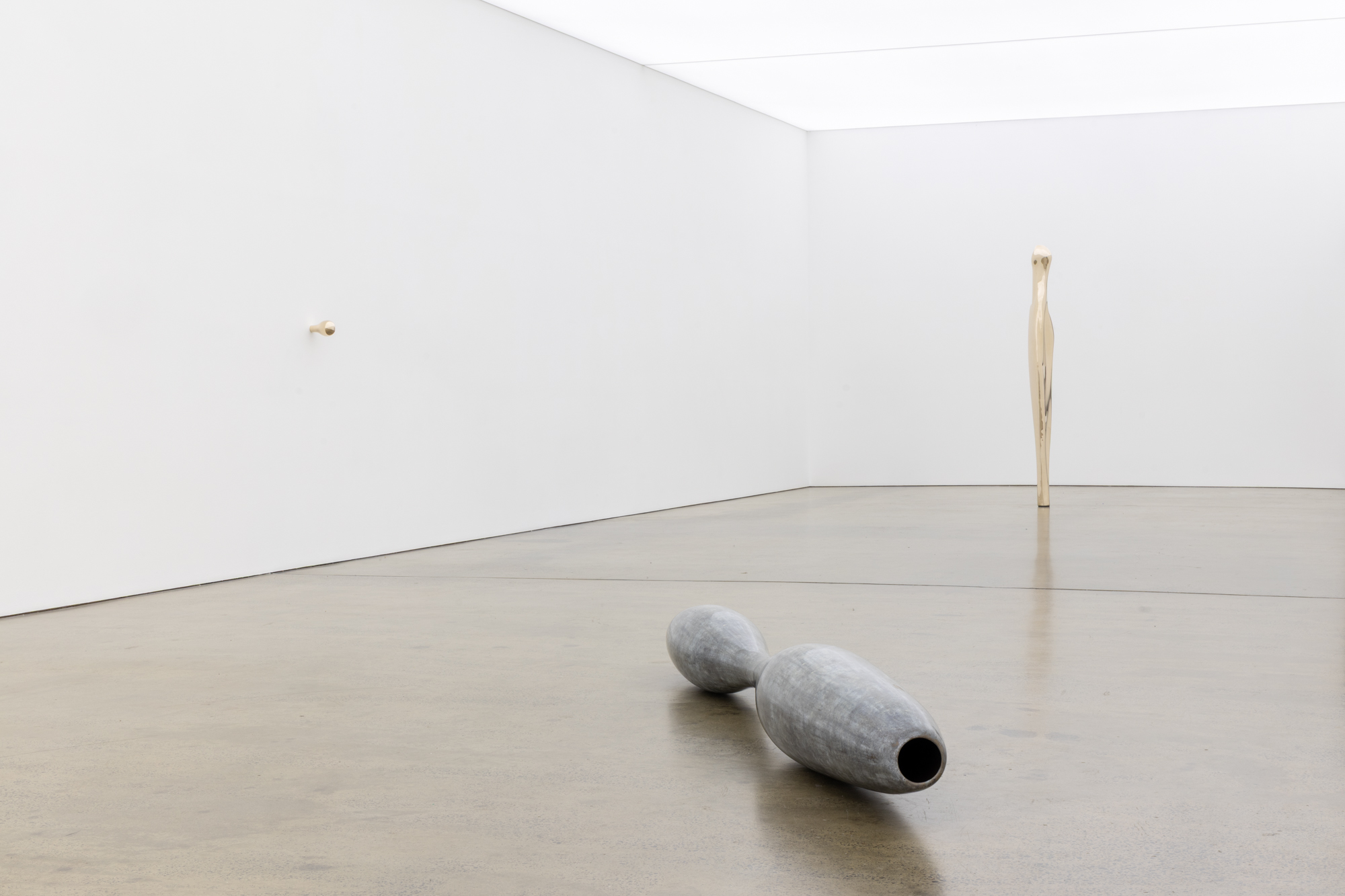
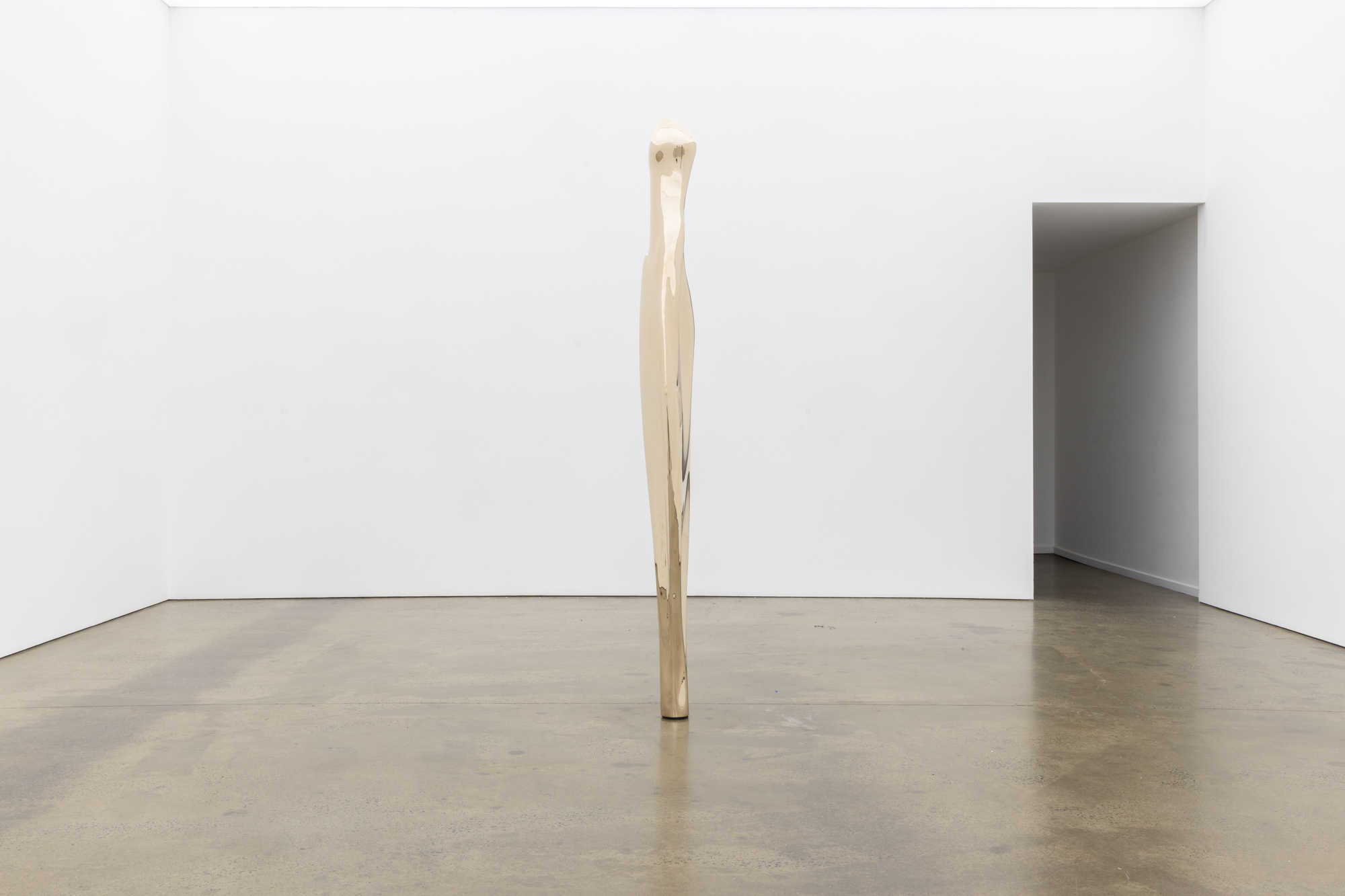
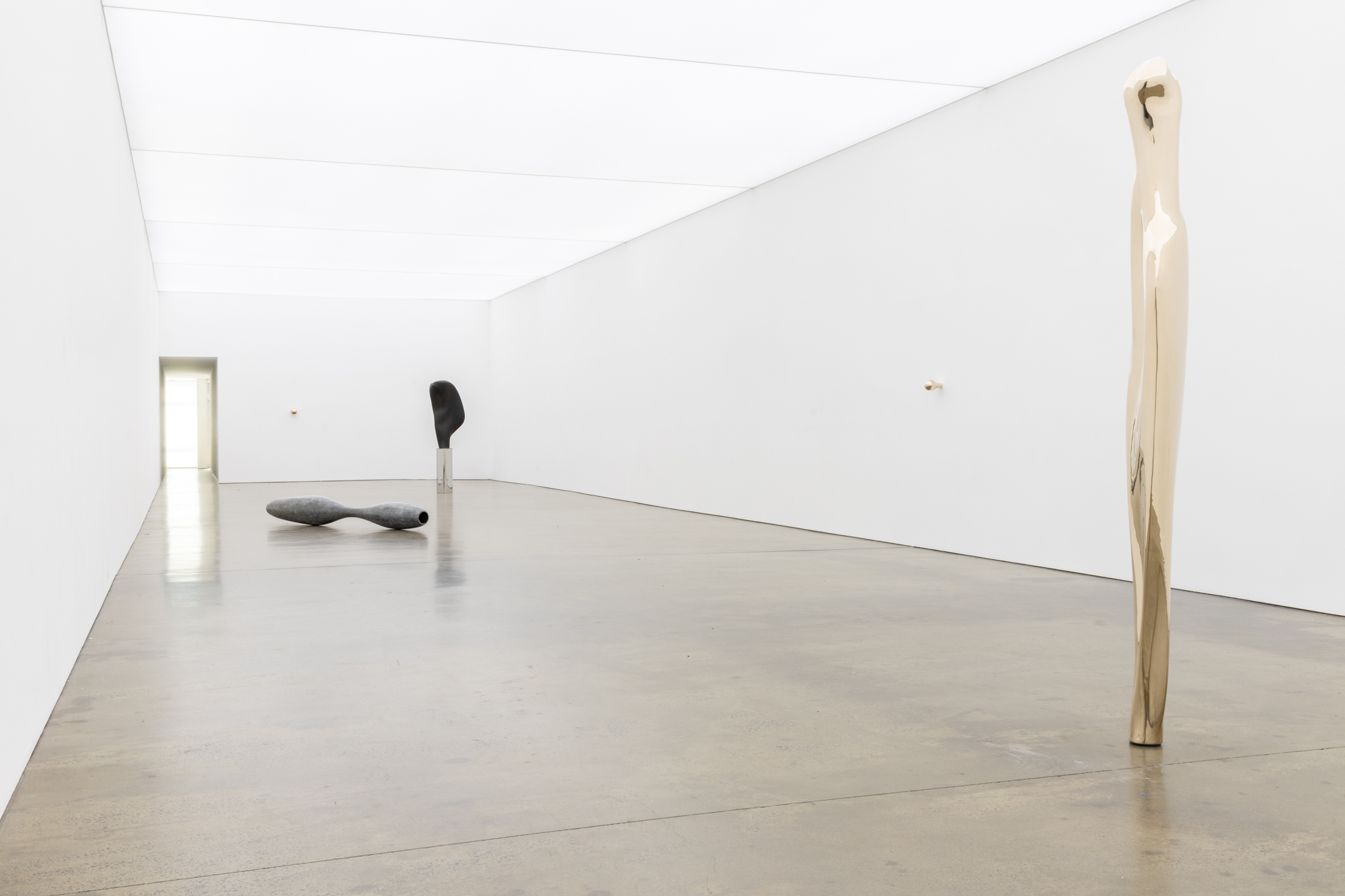
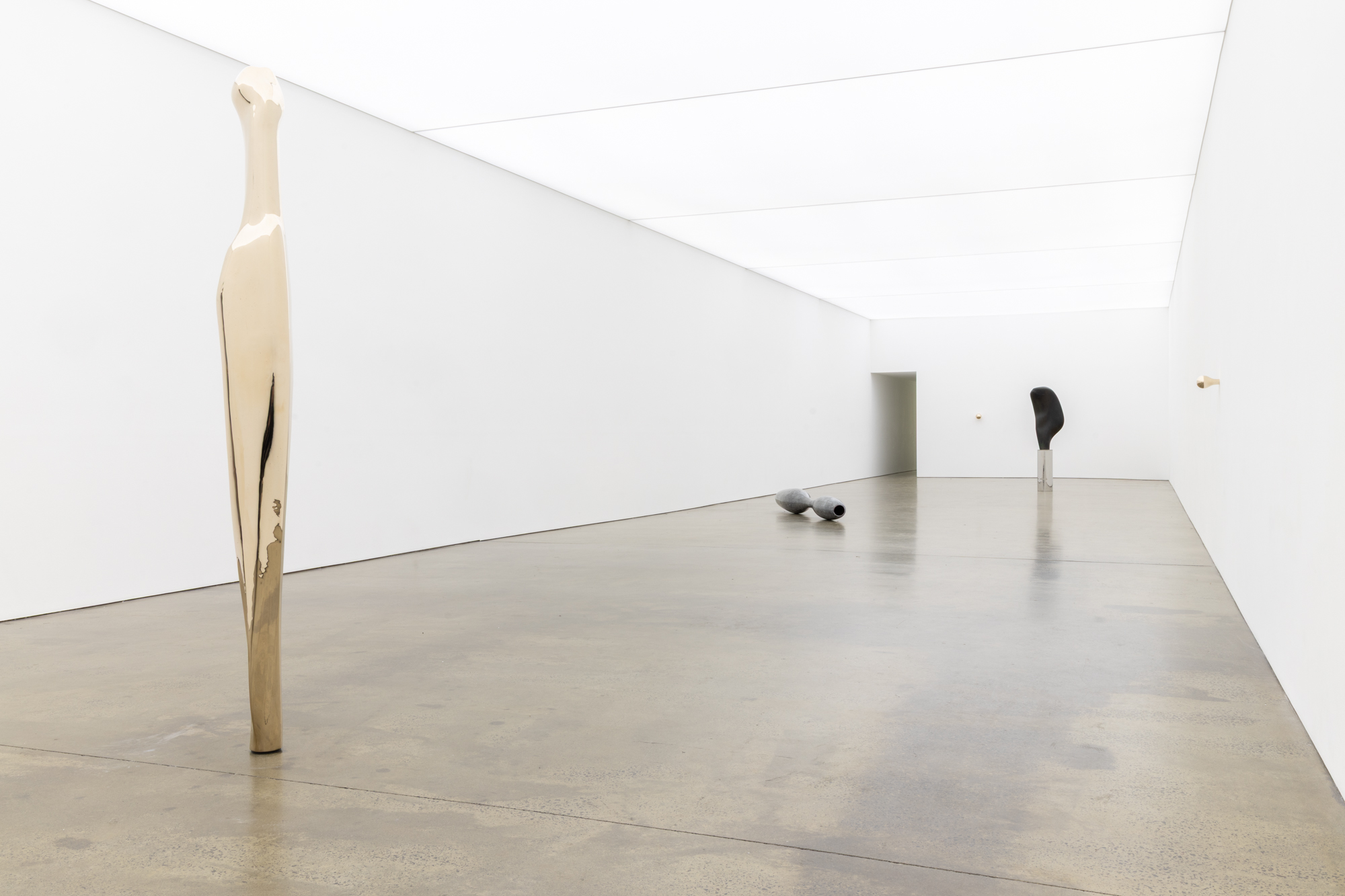
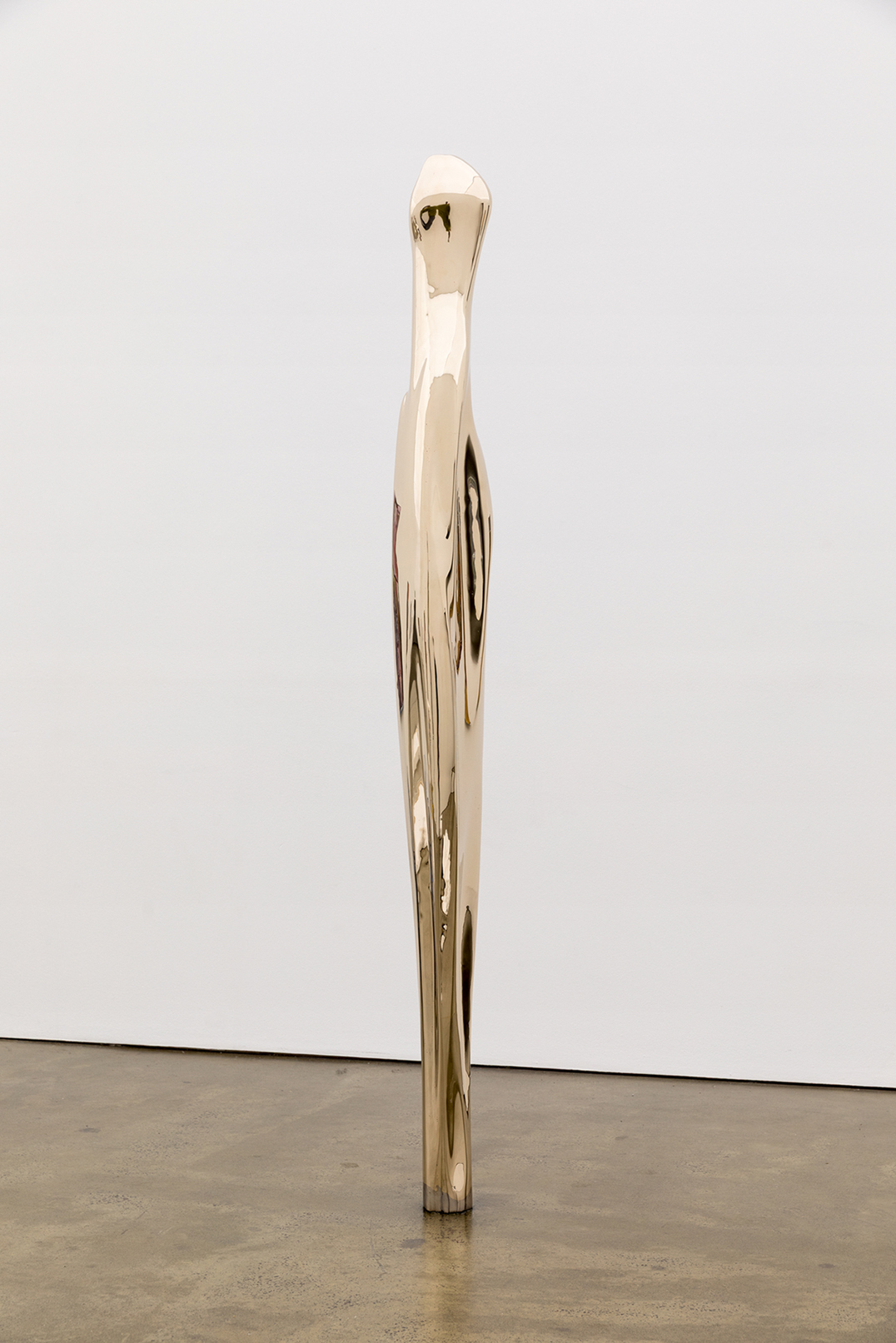
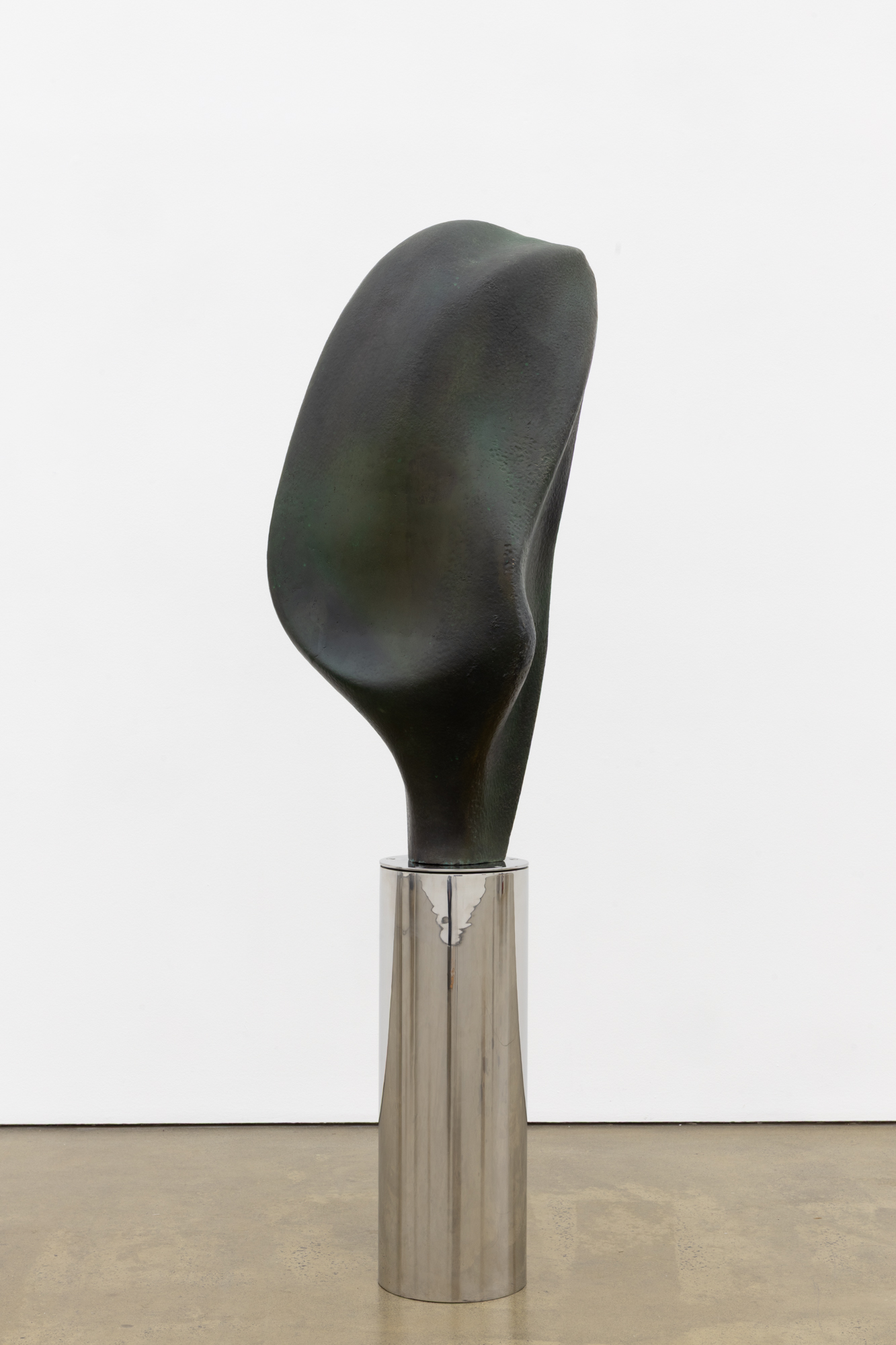
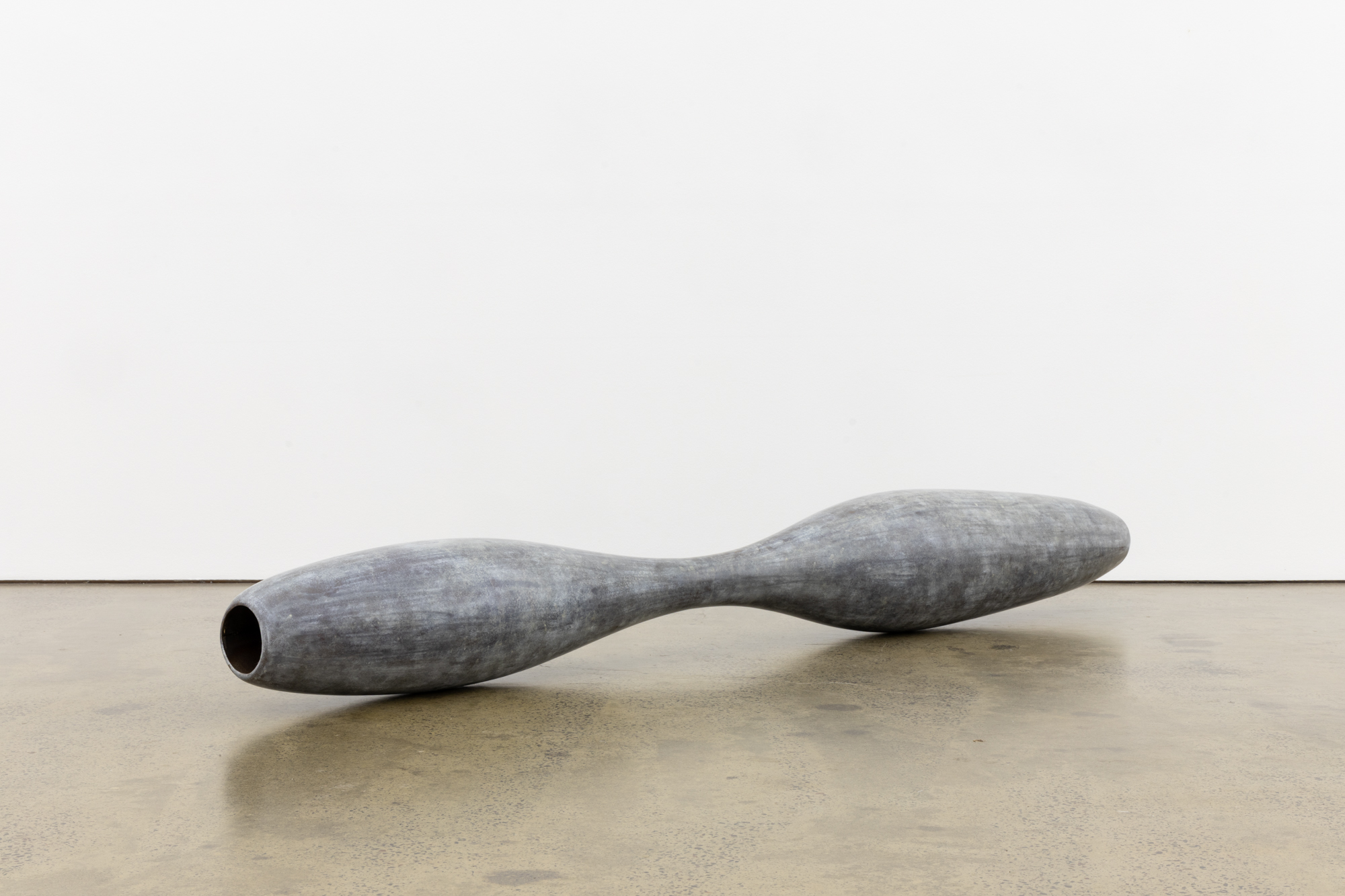
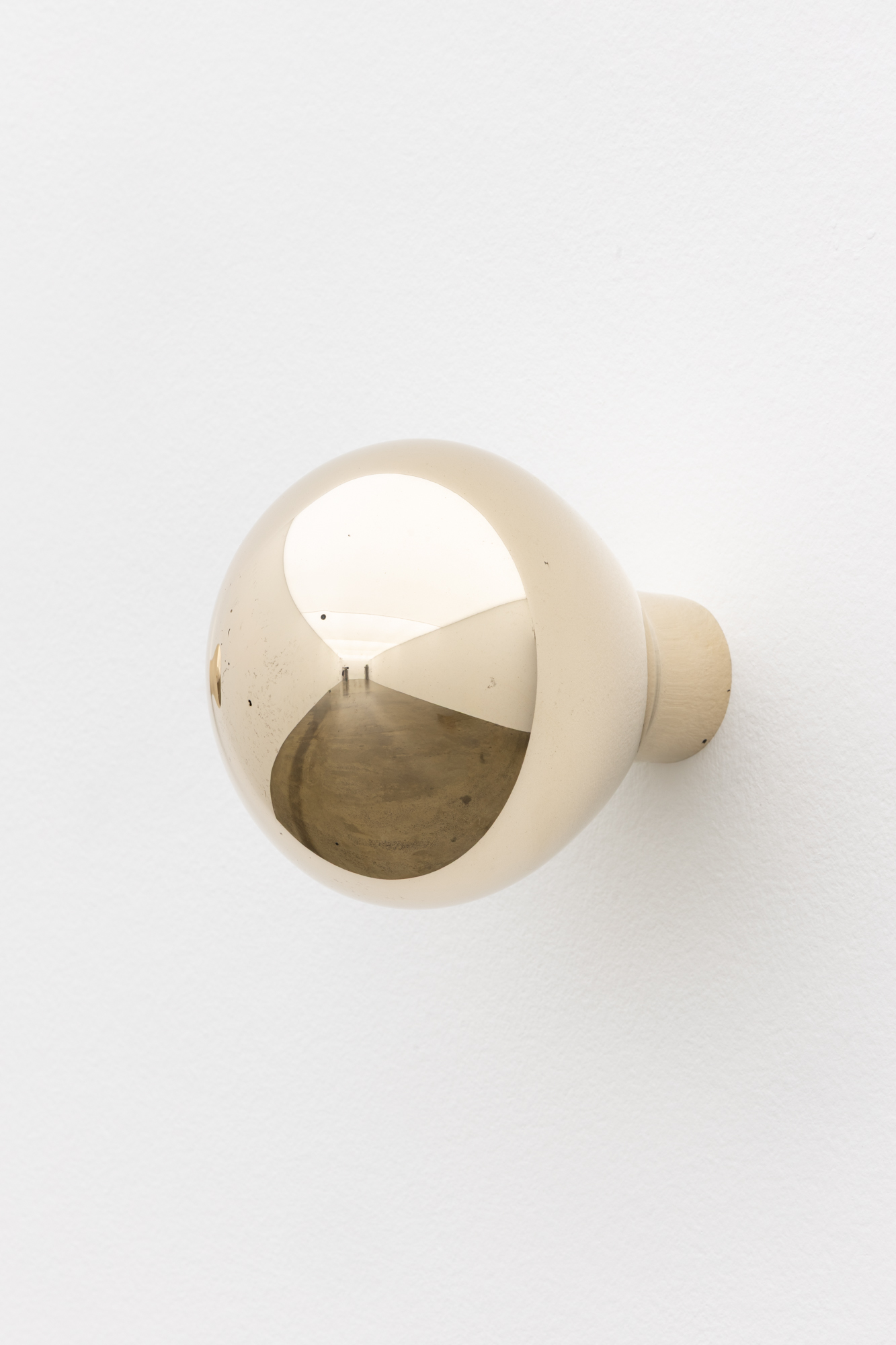
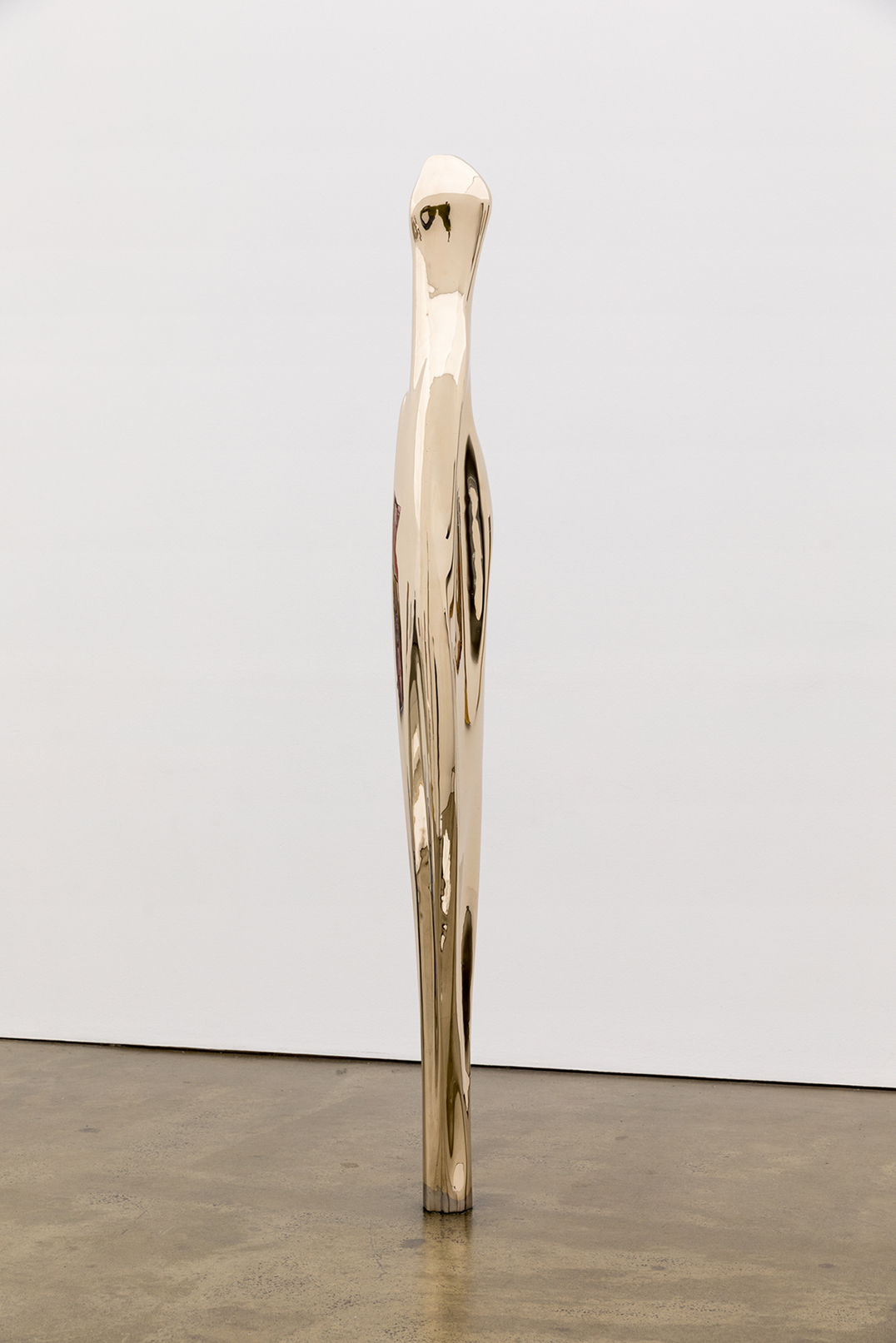
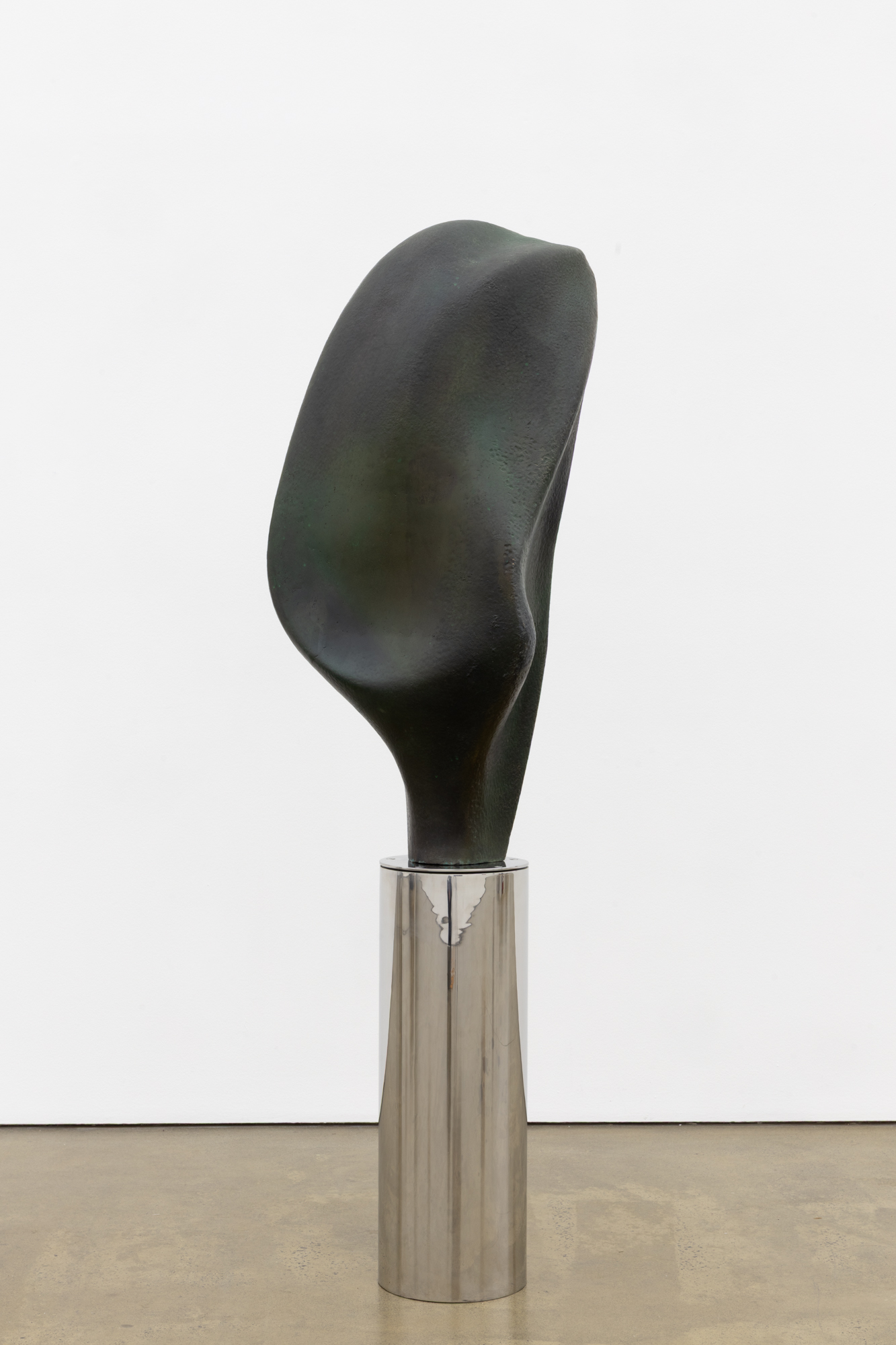
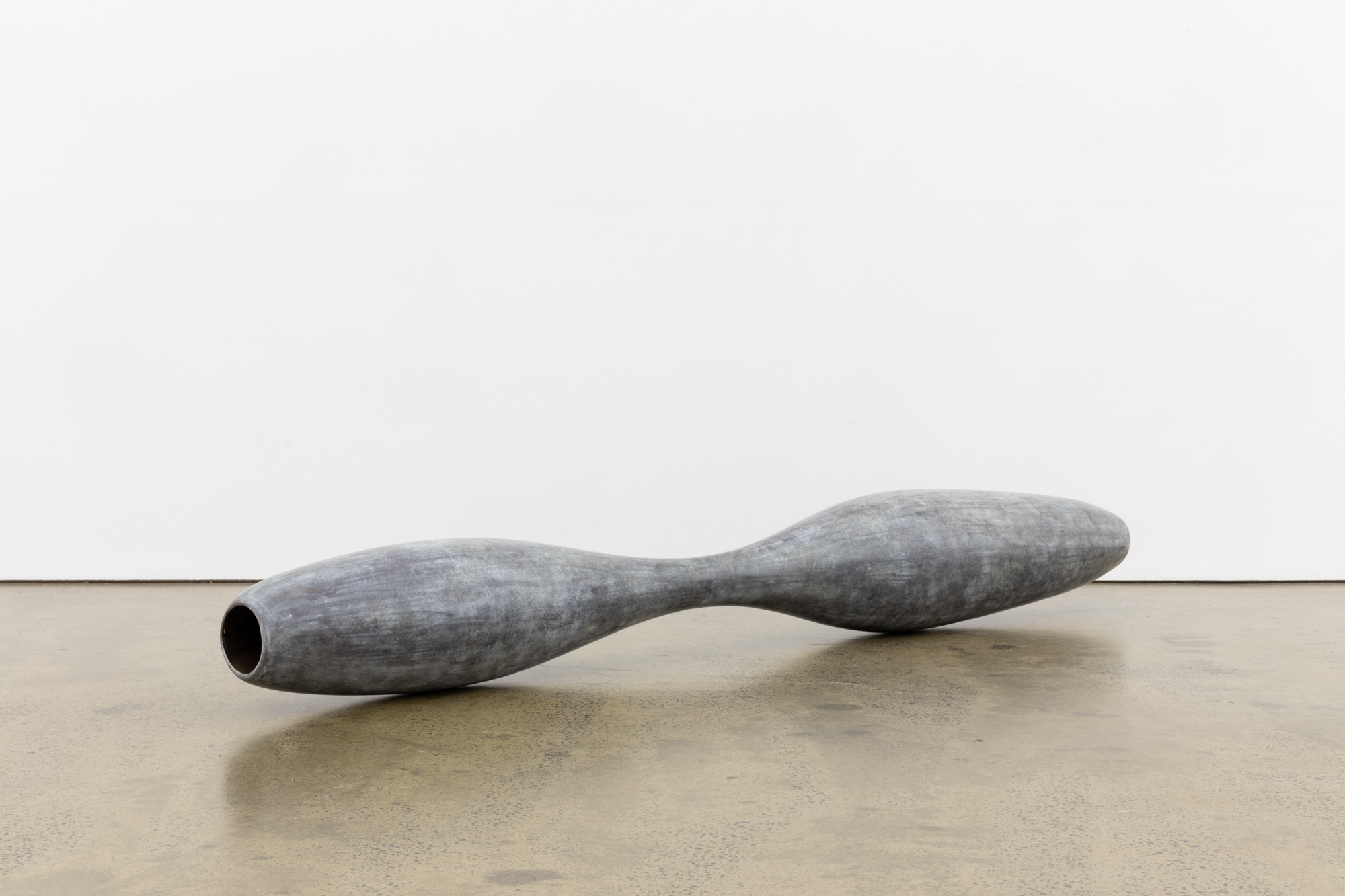
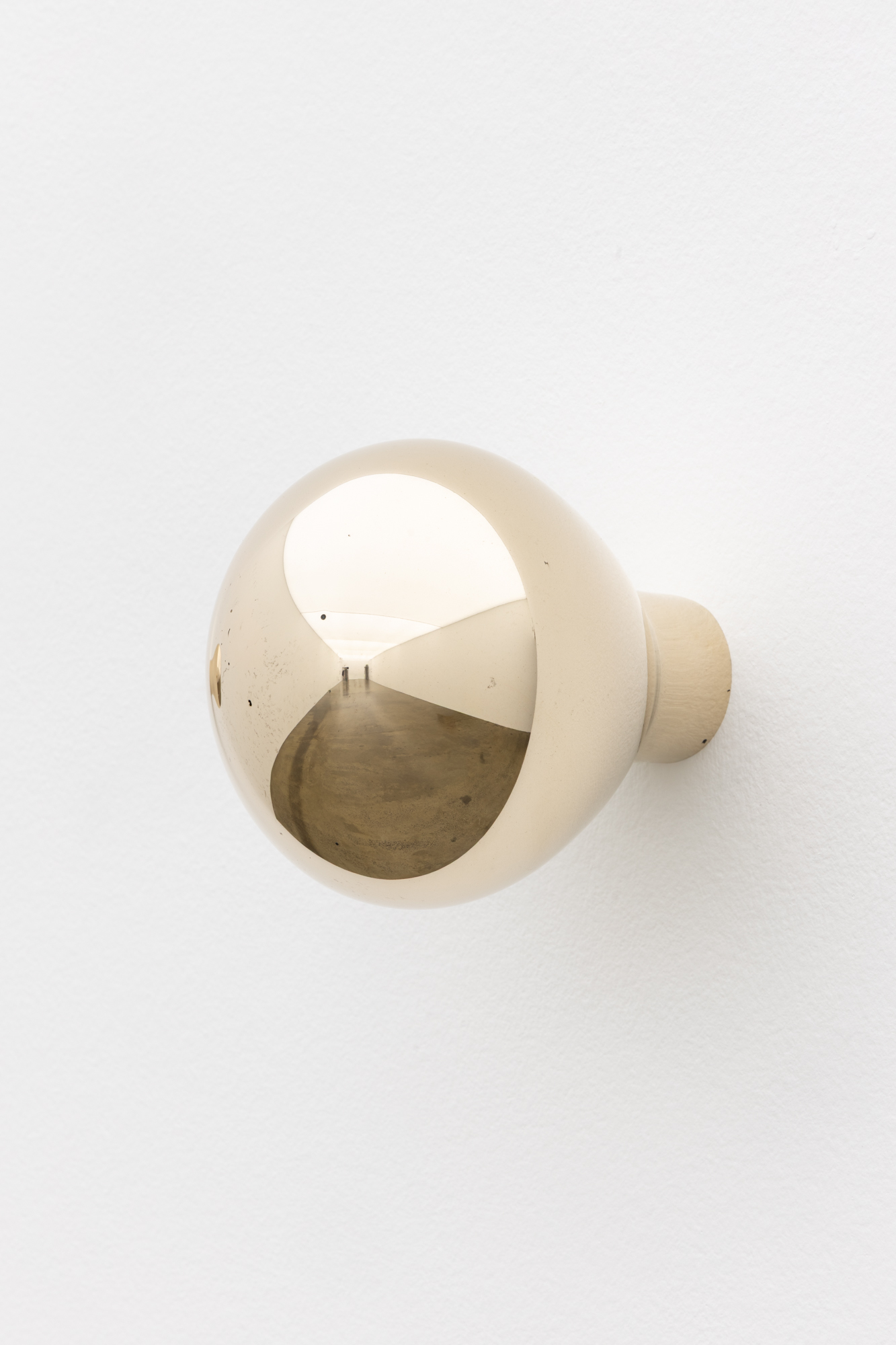
Neon Parc is excited to present ‘Pump Cover’, an exhibition of new sculptures by Hugo Blomley. Opening at Neon Parc Brunswick on Friday 11 September, 6–8pm.
The Primitive Algebra of Recognition: On Hugo Blomley’s ‘Pump Cover’
by Tara Heffernan
Art is sublimated libido. You can’t be a eunuch priest, and you can’t be a eunuch artist
—Anthony Burgess, 1971.
A ‘pump cover’ refers to a utilitarian cover for outdoor plumbing. Colloquially, however, it has come to denote a hoodie or oversized shirt worn during a warmup or first set. These garments are so named as they are shed to reveal the muscle pump, that is, the temporarily enlarged appearance of muscles due to increased blood flow to the muscle tissue during exercises like weightlifting. The covers’ purpose is theatrical—worn in anticipation of this “revelation”—and practical: to make the body generate more heat and to sweat, thereby boosting vascularity.
Industrial in origin but colloquially appropriated in weightlifting lexicon, the term provides a subtle insight into Hugo Blomley’s aesthetic sensibility, drawing a link between the body and the machine, playing on veiling, refinement, and anticipated revelation. Like the plinth or the frame, drapery, in Kantian aesthetics, is considered extrinsic to the artwork proper: mere ornamentation supplementary to the work itself. The pump cover finds an analogue in the classical nude; drapery sheaths the body, the real thing.
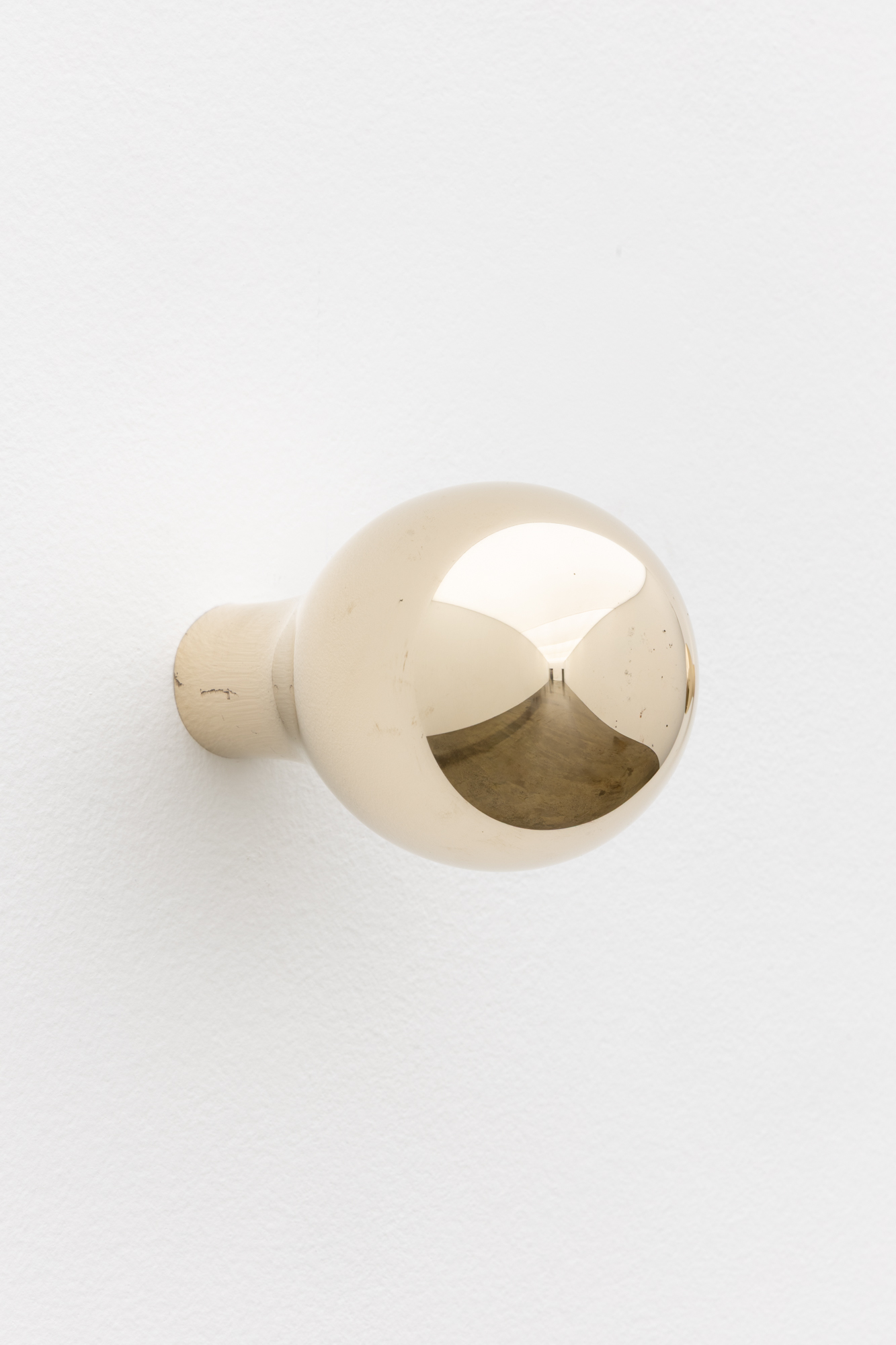
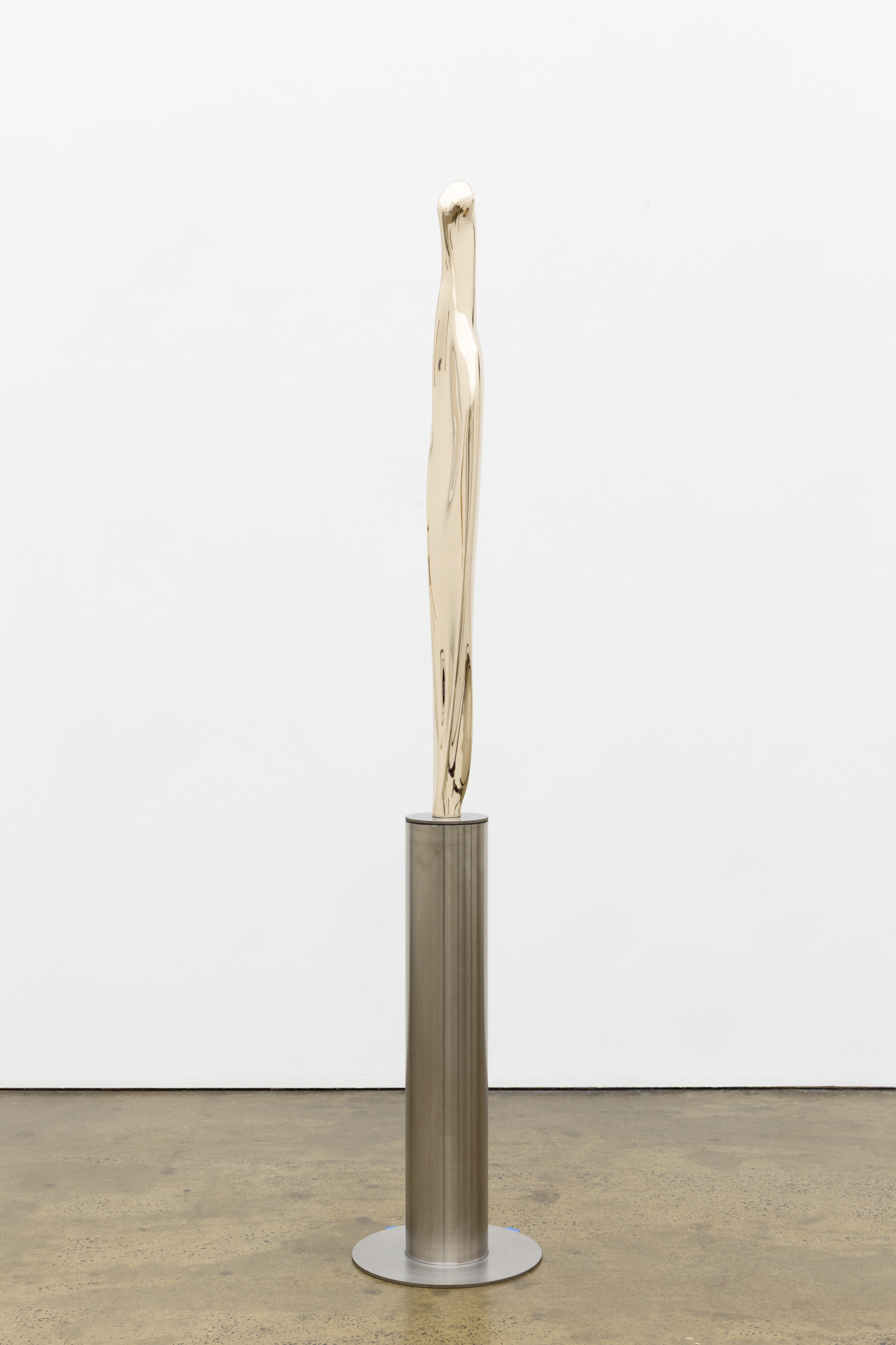
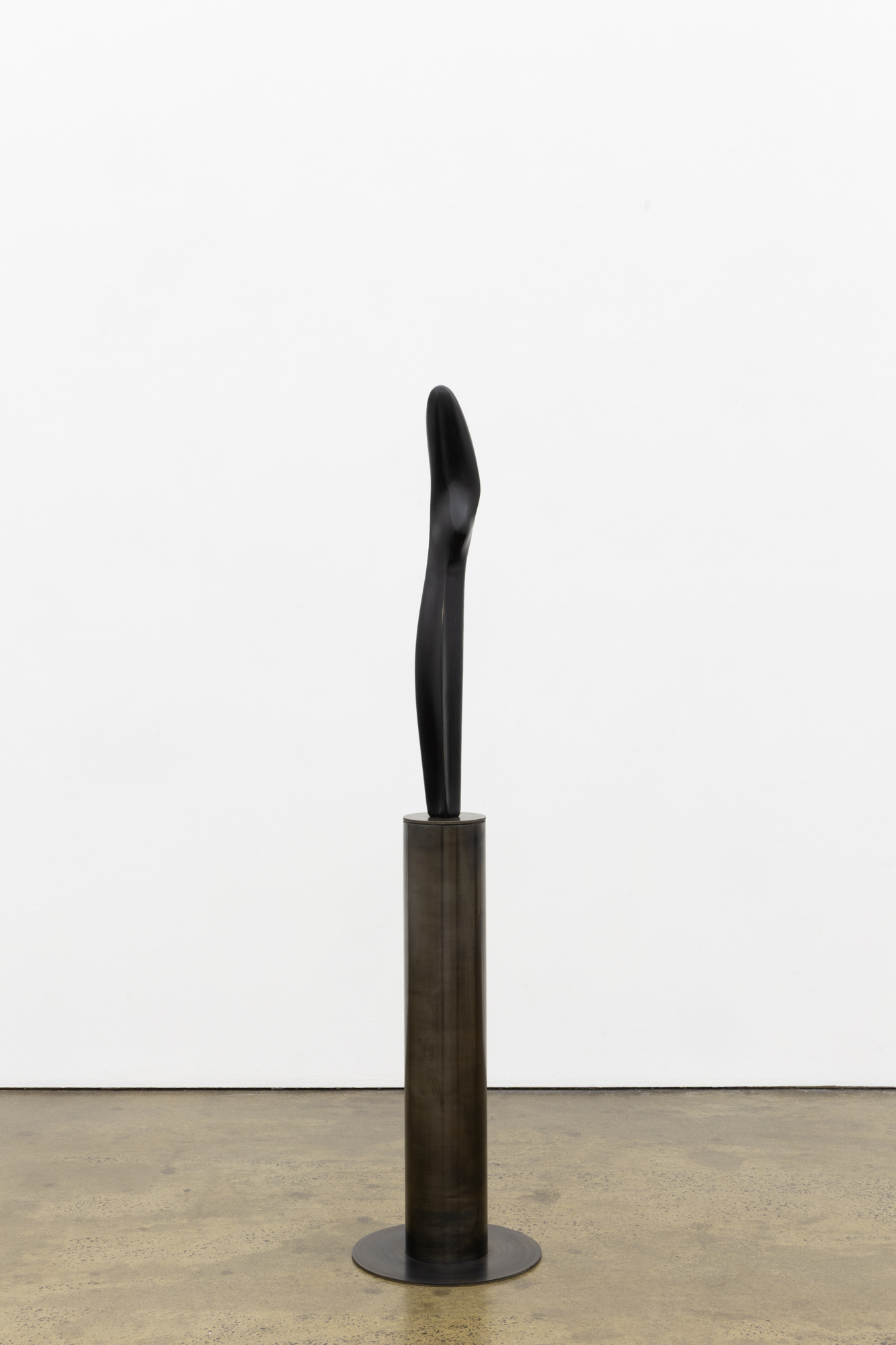
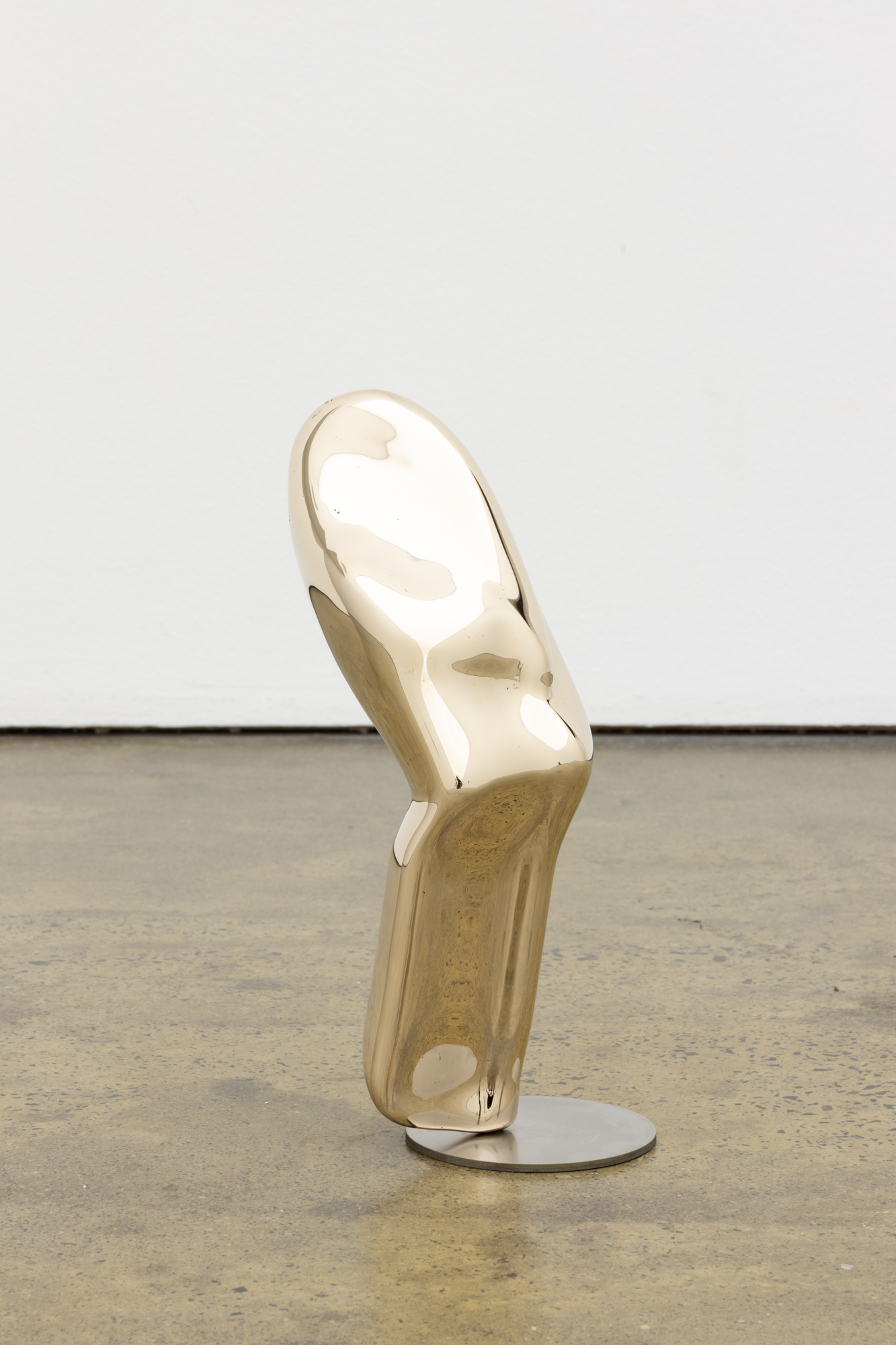
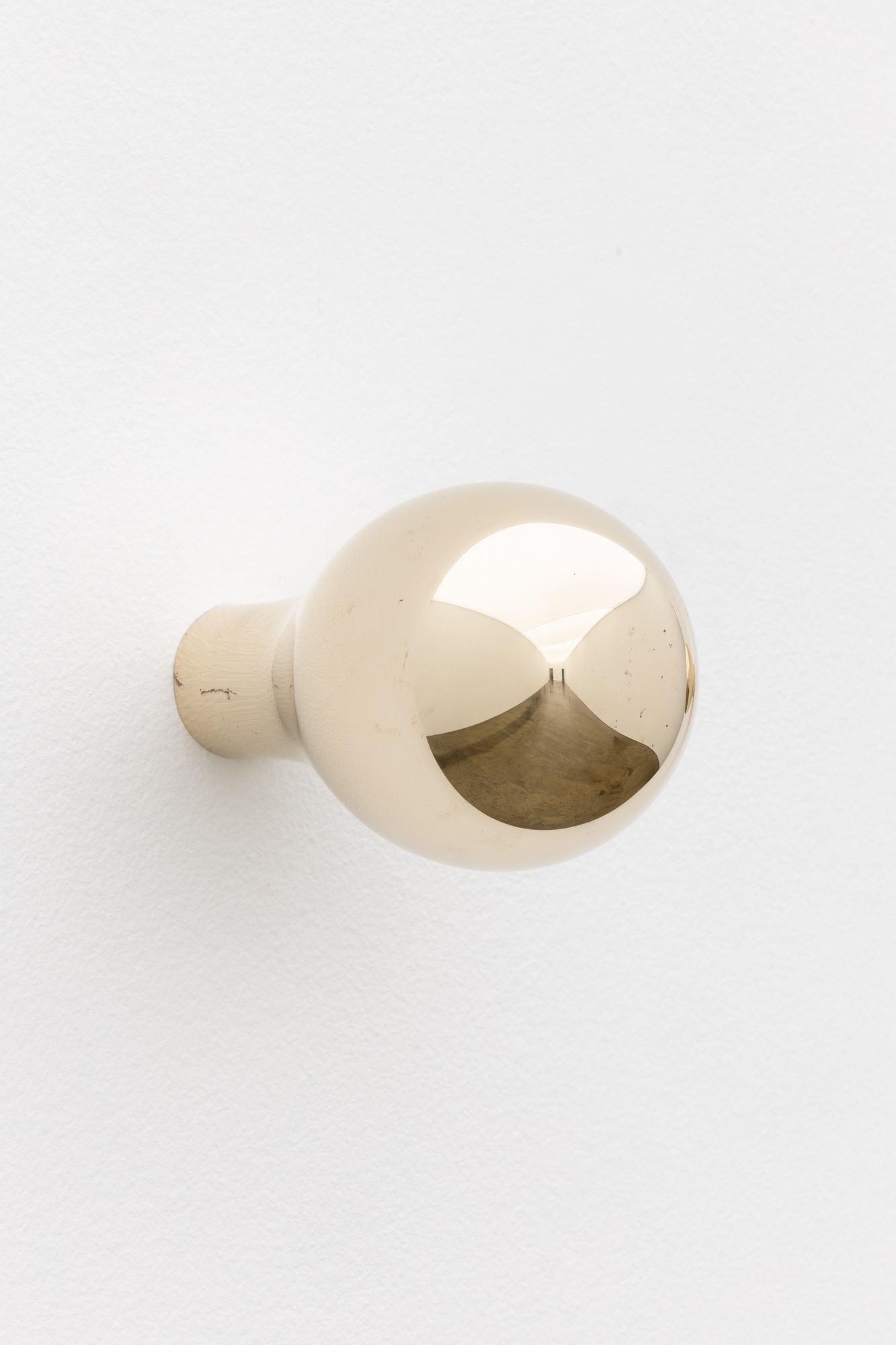
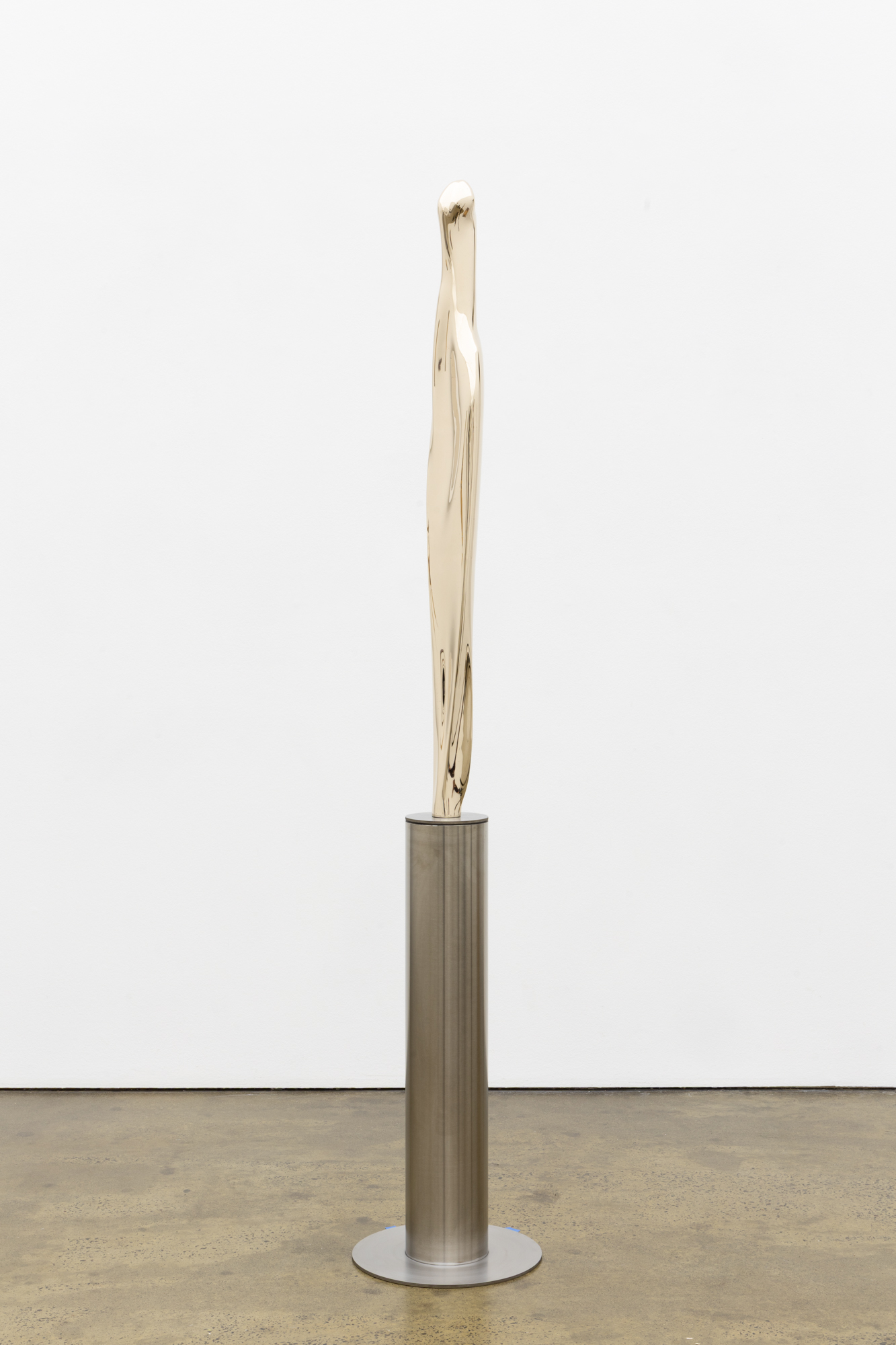
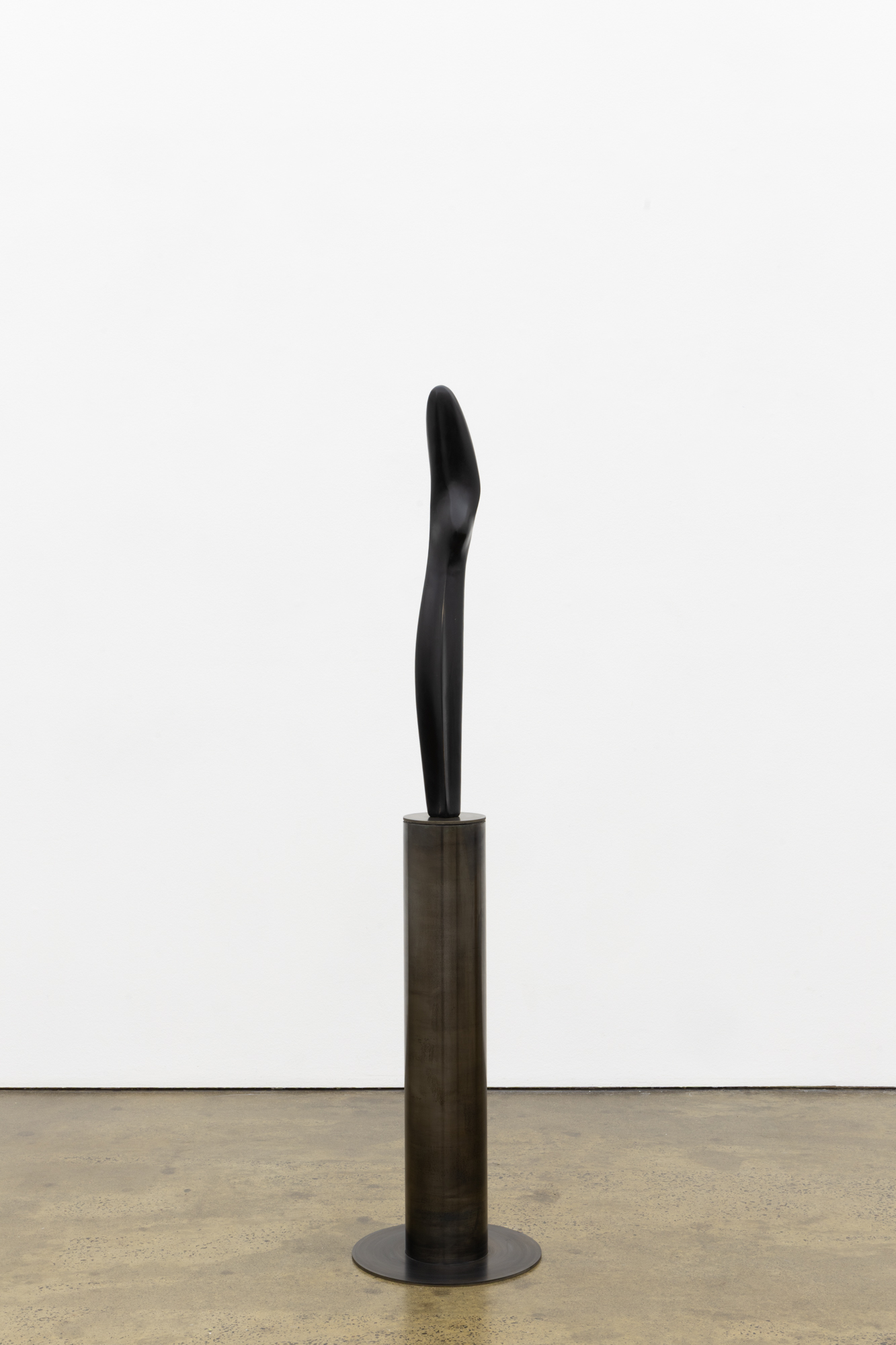
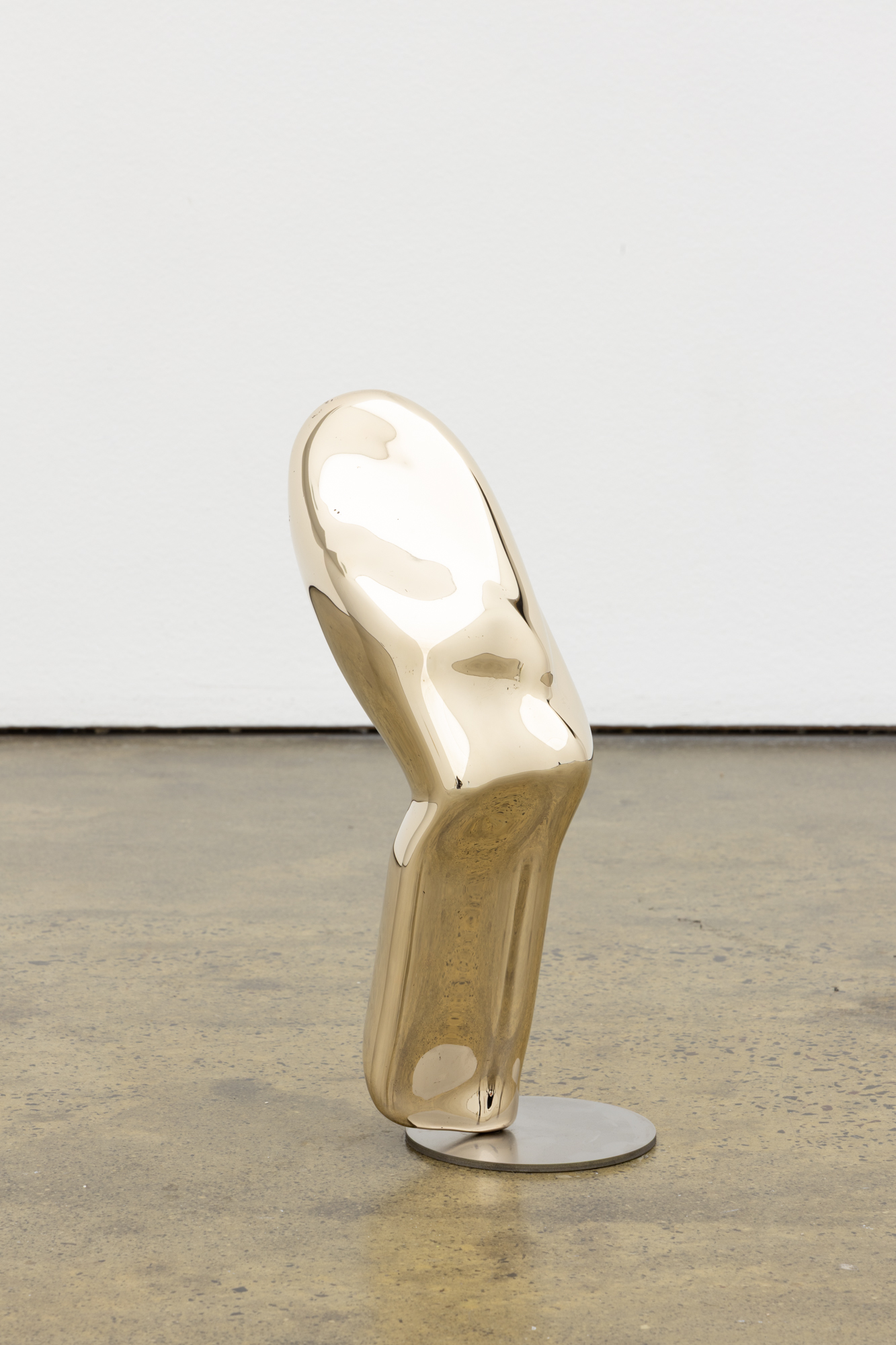
‘Pump Cover’ features five new abstract sculptures. Partly inspired by the ornamental potential of inorganic industrial objects, these sculptures balance a sensuous appreciation for the integrity of their materials and surfaces—poriferous, patinated, or highly polished—with the mimetic magic of art. As the viewer navigates these abstract forms, they may map onto them different figures or fantasies, yet none of these associations settle into neat referents. These sculptures play with concealment and revelation, literally opening in some instances to reveal hollow inner cavities.
Blomley has described his process as one of translation, adapting forms that strike him as formally compelling, whether among the fixtures of industrial environments or in the contours of human anatomy. Though they speak through a familiar iconic vocabulary, these objects don’t possess a discernible sameness among the economy of objects, withholding the secret of their specific function. Blomley then sketches this shape from memory, digitally renders it, and makes a series of maquettes. The final sculpture emerges from these aesthetic experiments.