In ‘Strange Overtones’, Colleen Ahern presents a new suite of double-sided paintings on copper that considers the material traces of the music industry, the evolving history of portraiture, and the processes through which cultural iconography is created and sustained. The idea of homage is accentuated in Ahern’s practice, as her paintings mimic the size of LP records. Album covers are an intimate part of how music is experienced and remembered. Ahern’s process of sourcing imagery designed to exist as a multiple and transforming it into an original highlights this intimacy. Ahern’s works point towards the personal resonance of images and music that belong to popular culture and collective memory.
Colleen Ahern
‘Strange Overtones’
‘Strange Overtones’
Fiona and Sidney Myer Gallery
28 Aug.–26 Sep.2026
28 Aug.–26 Sep.2026
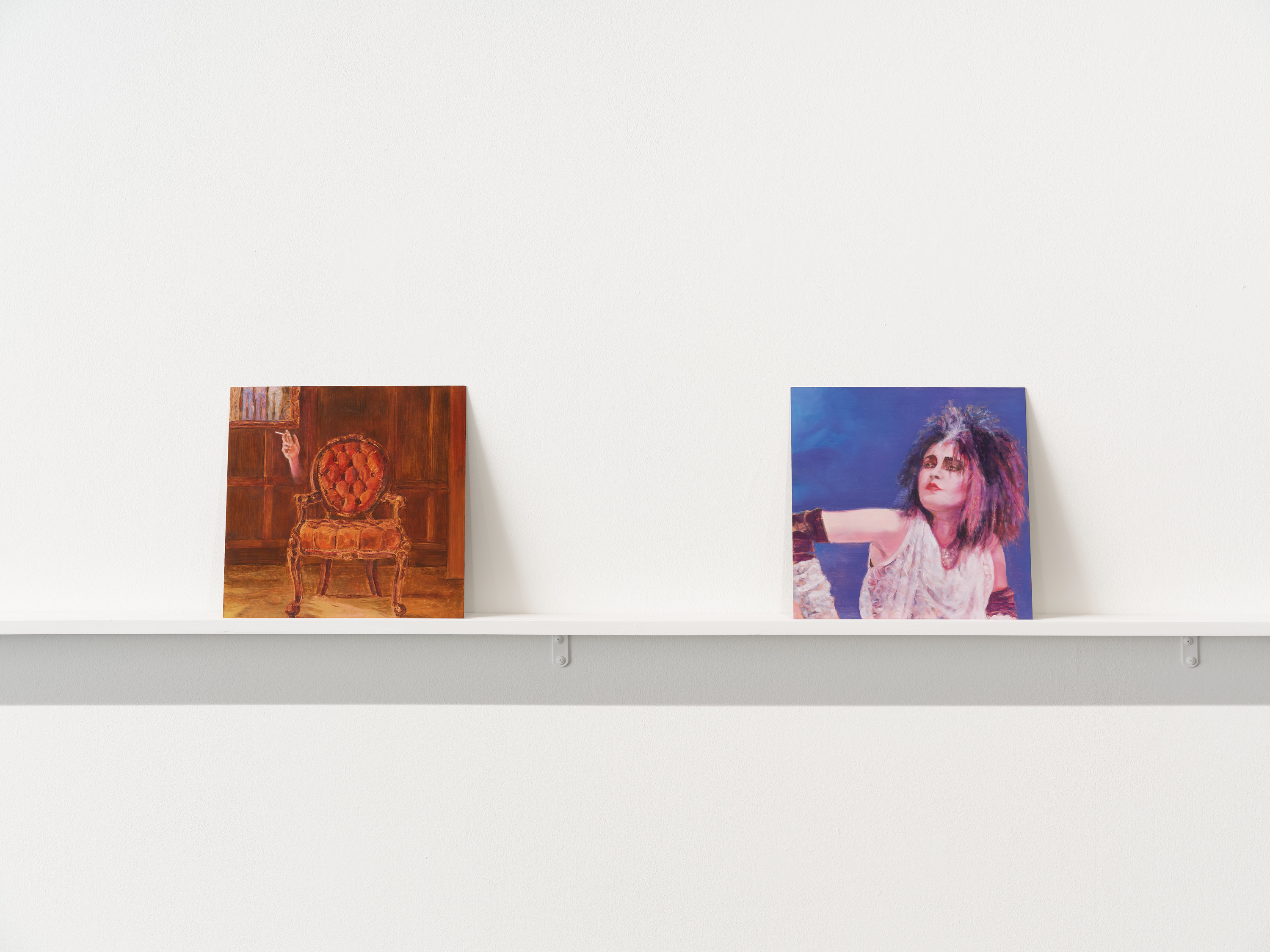
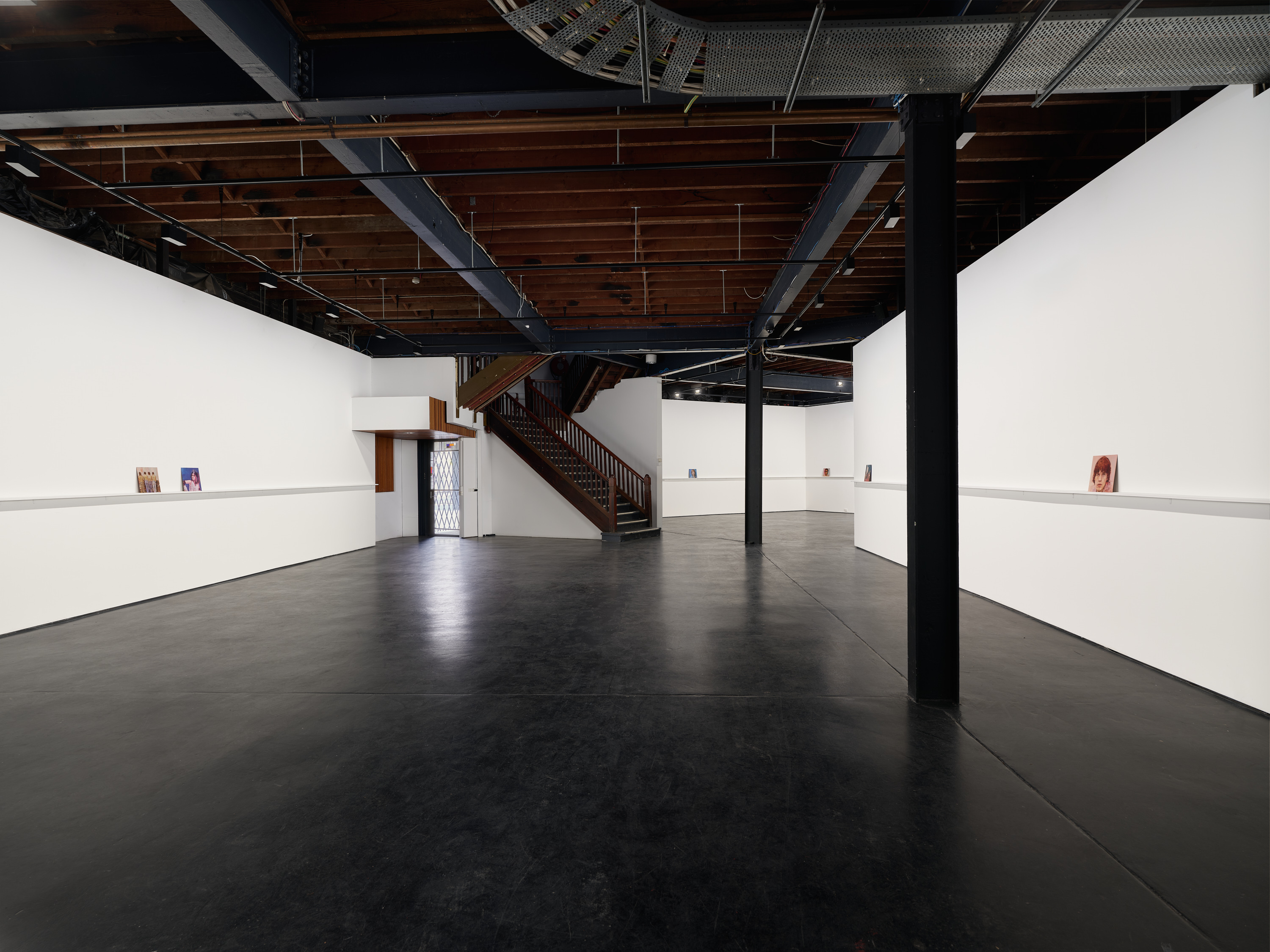
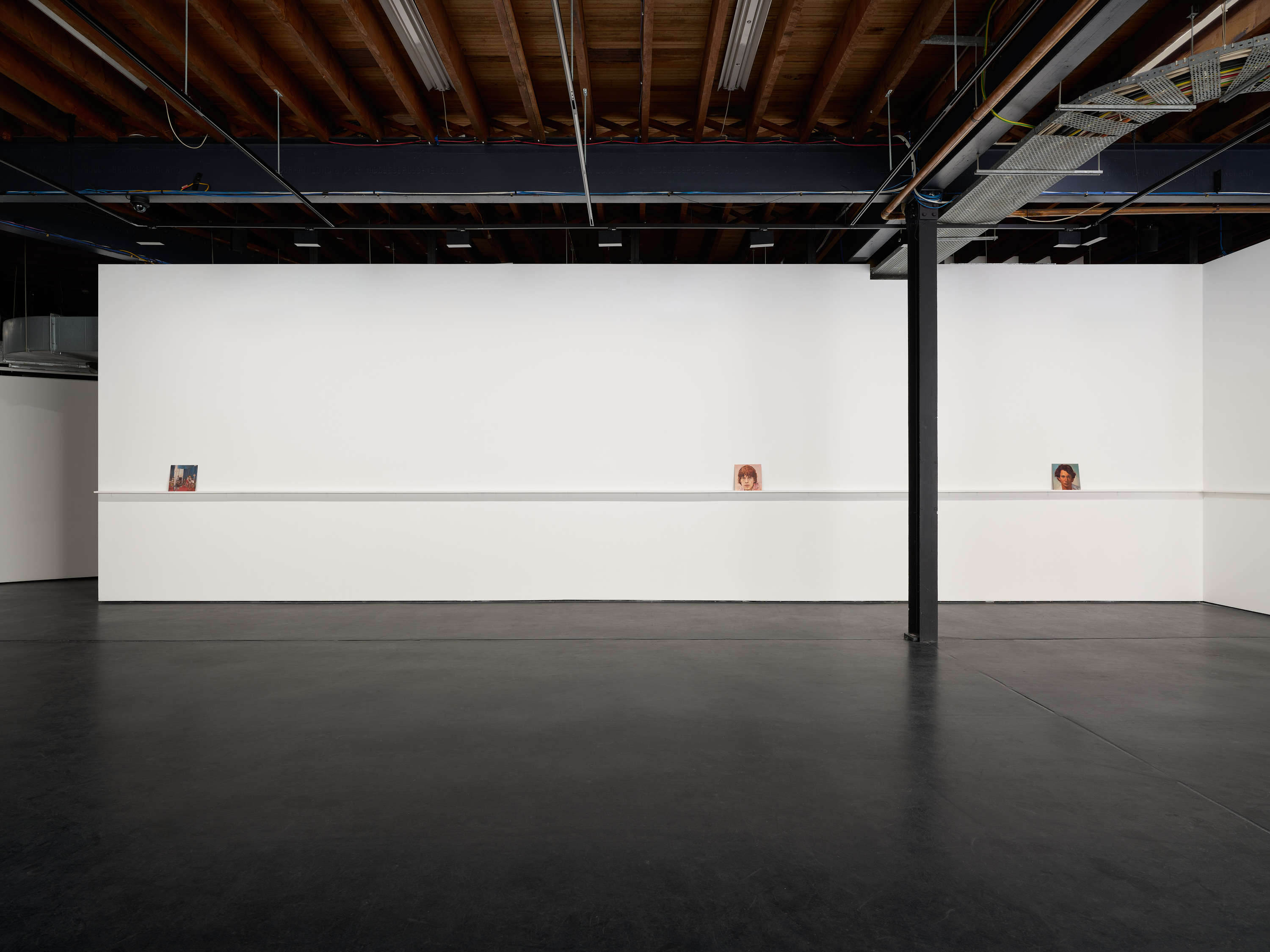
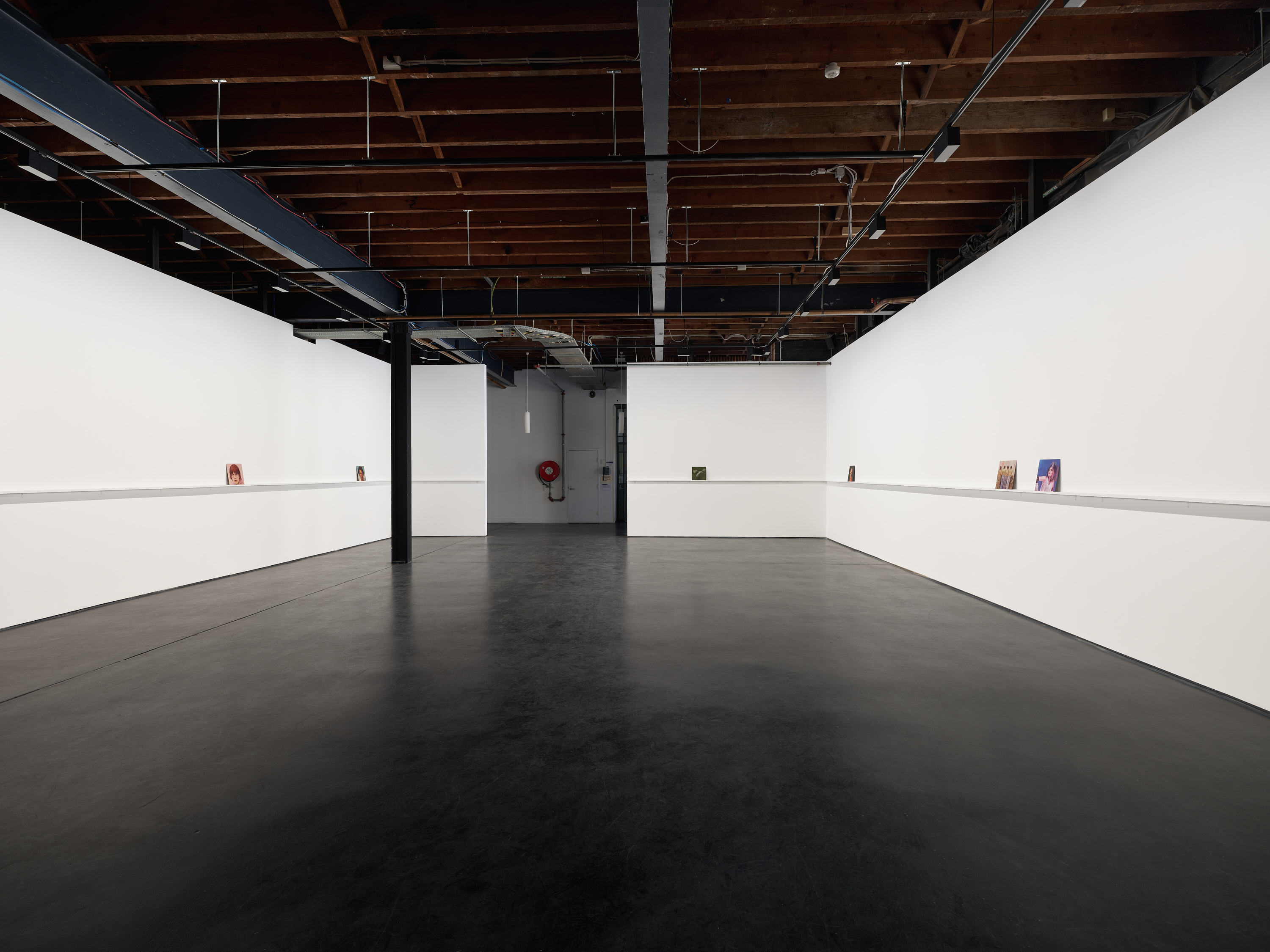
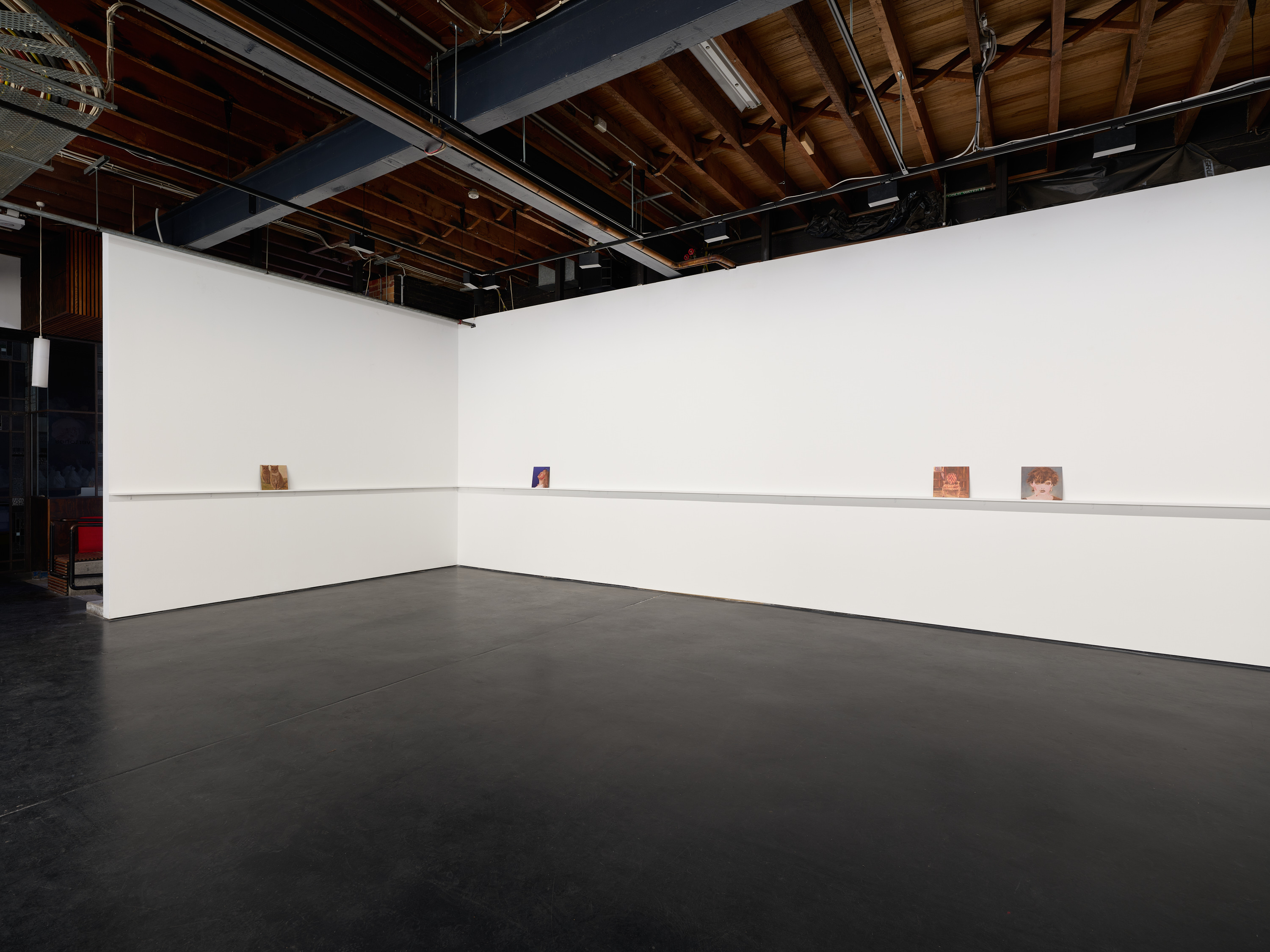
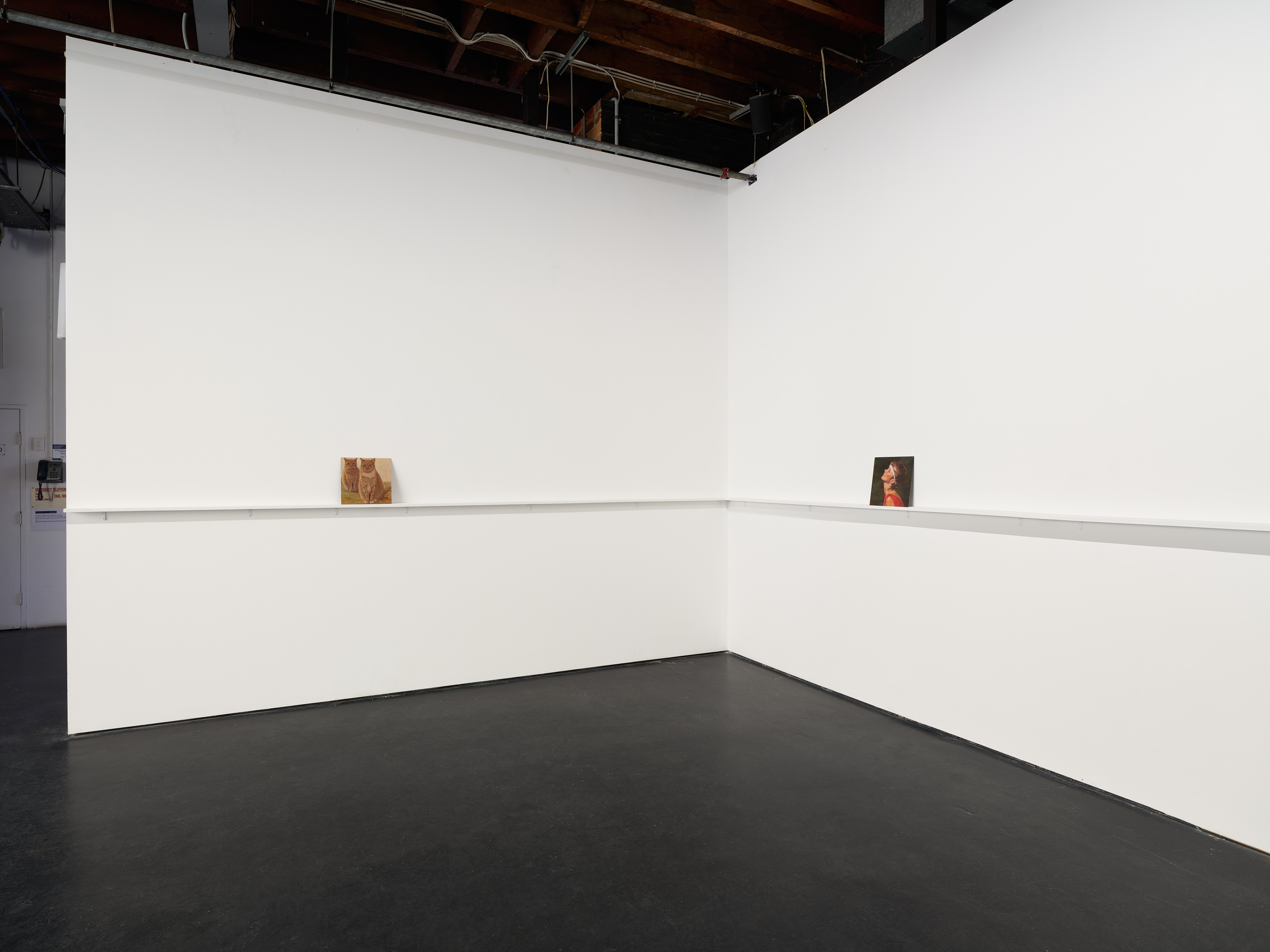
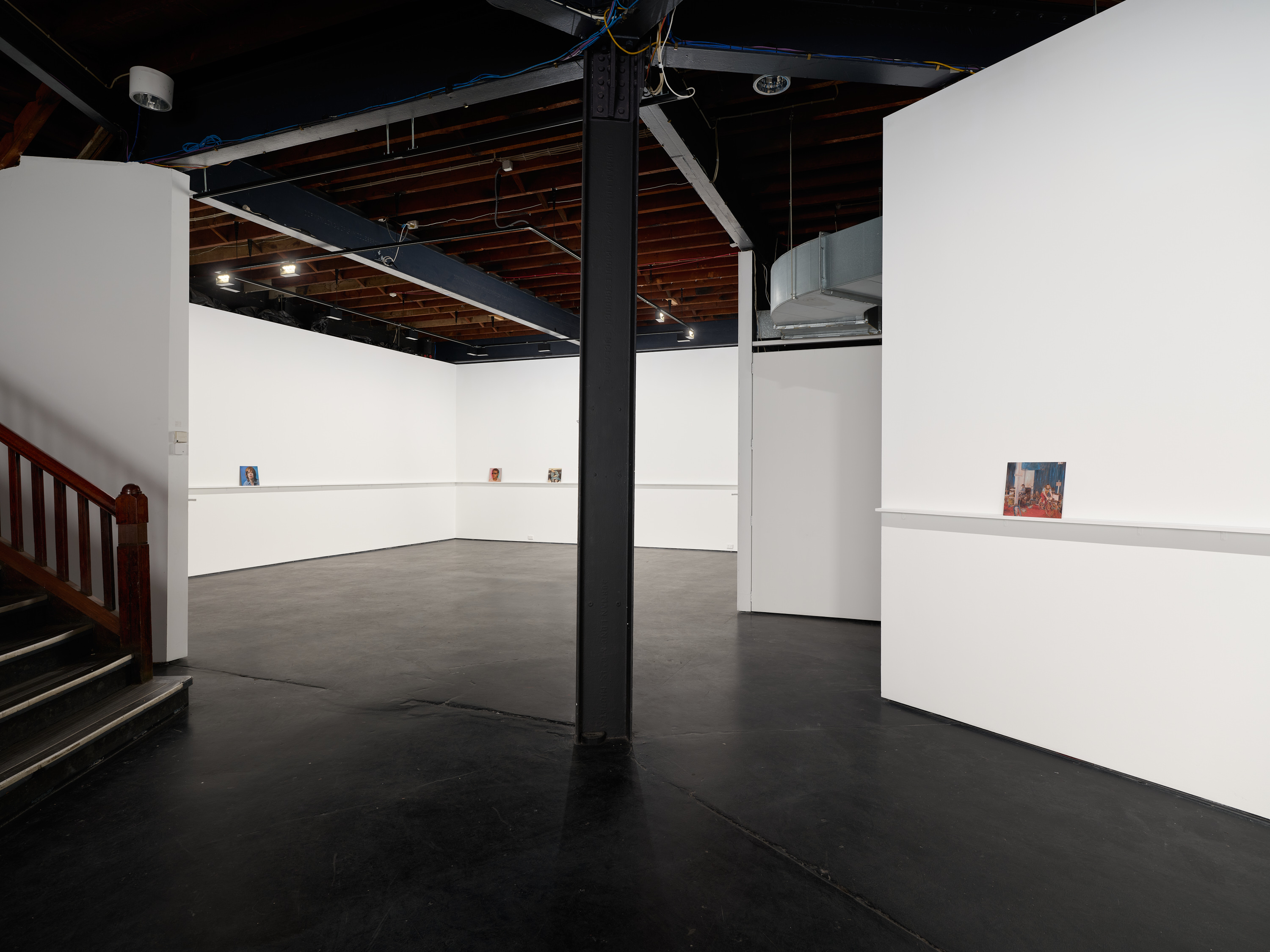
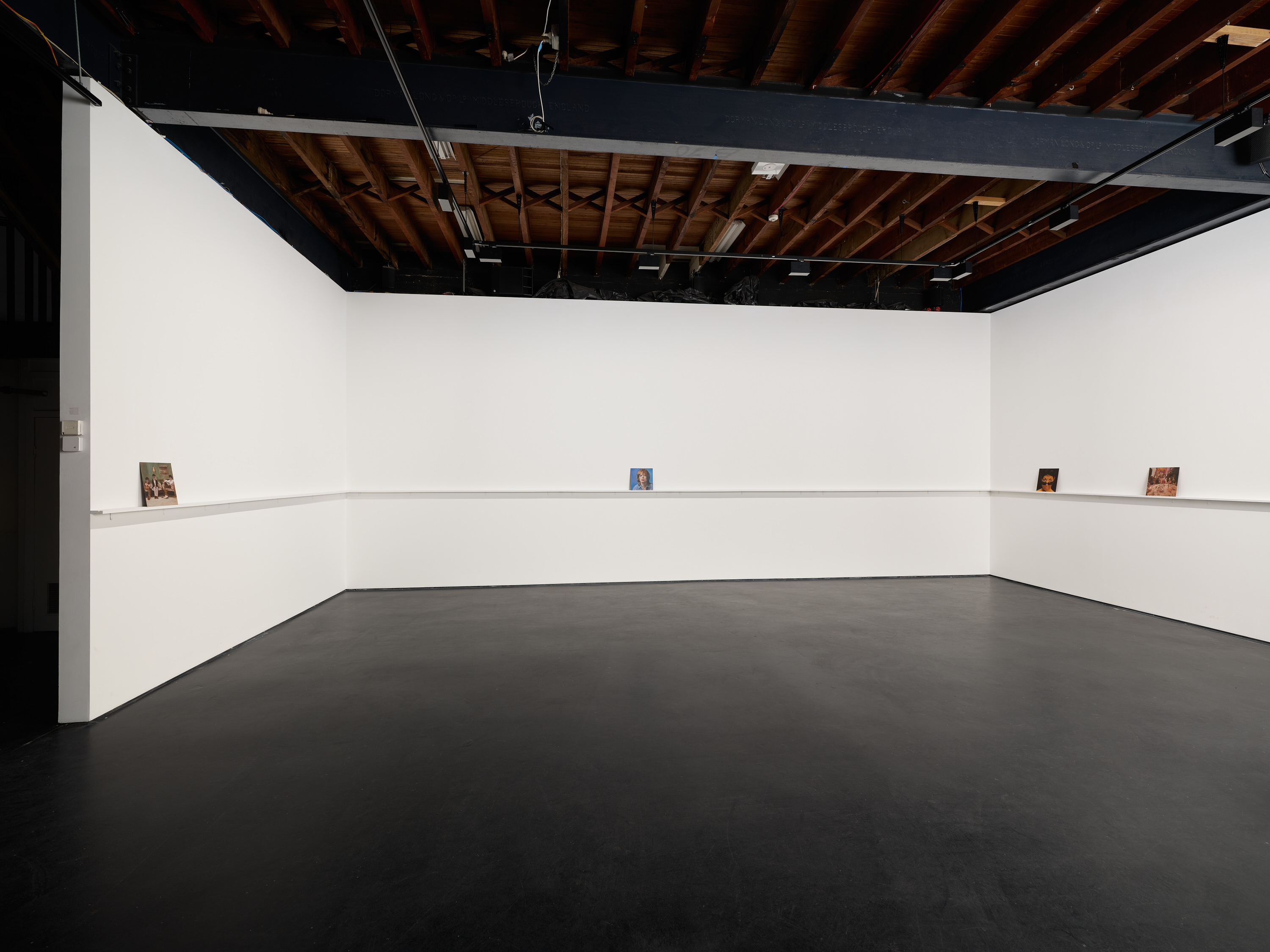
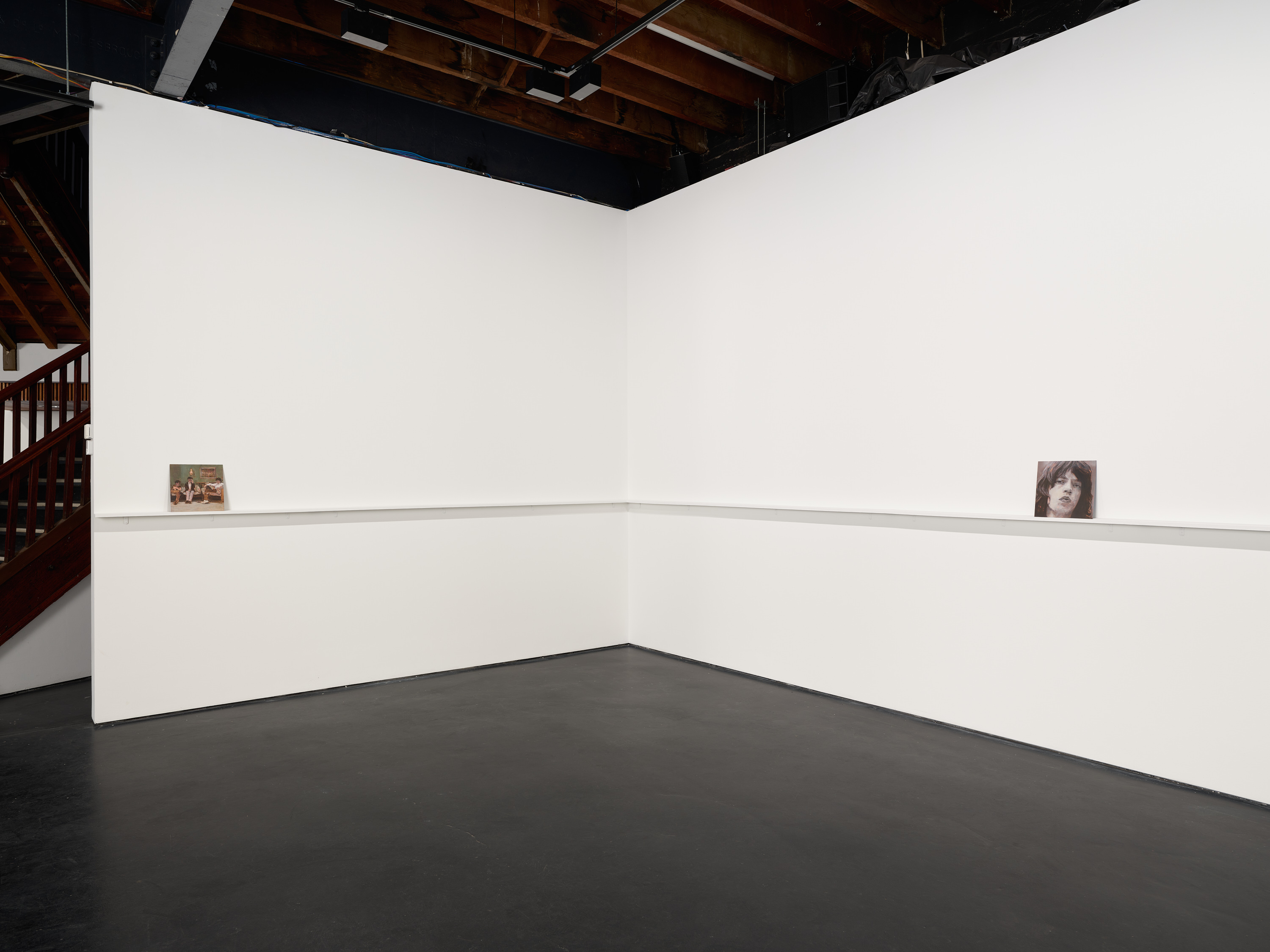
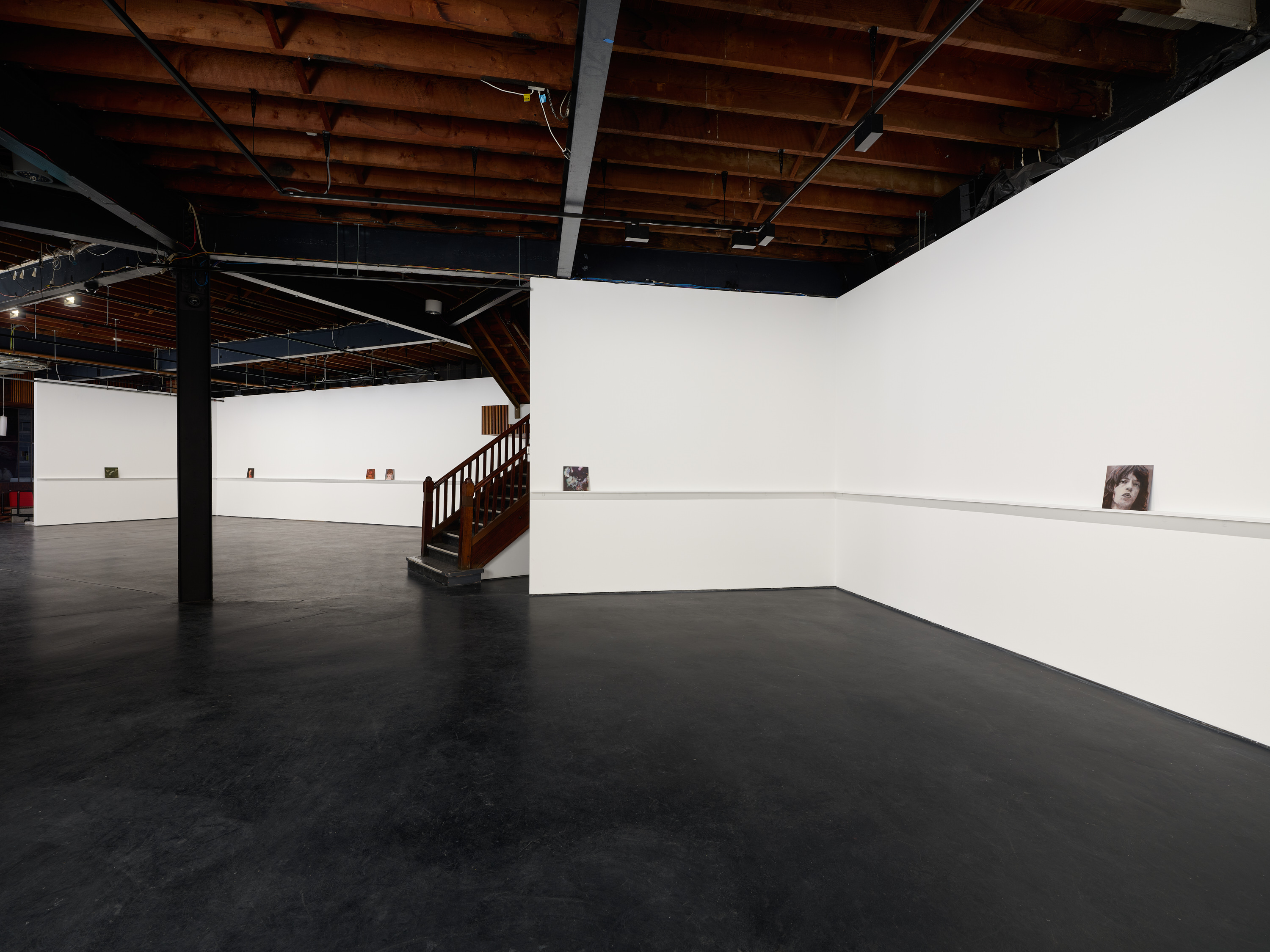
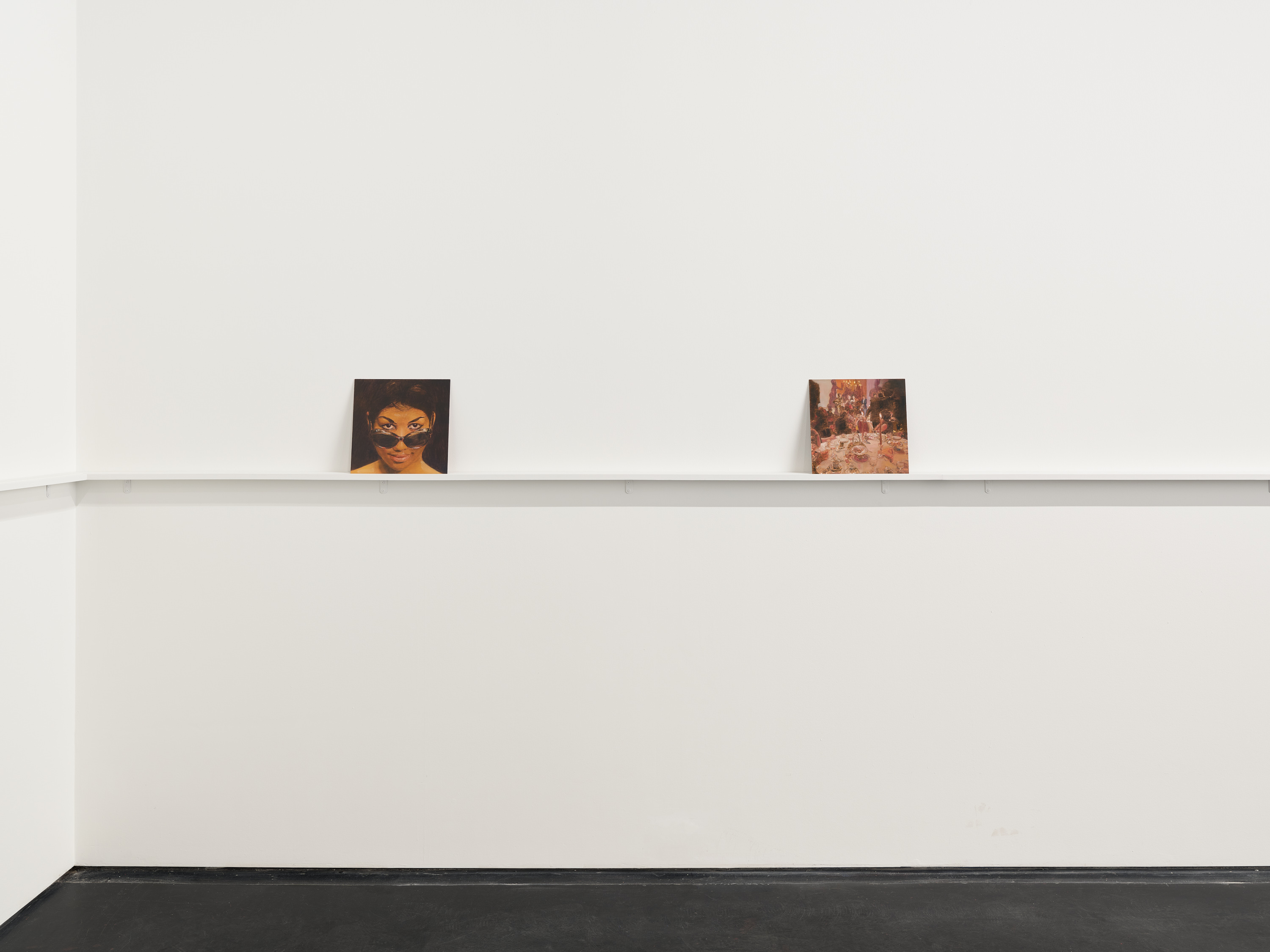
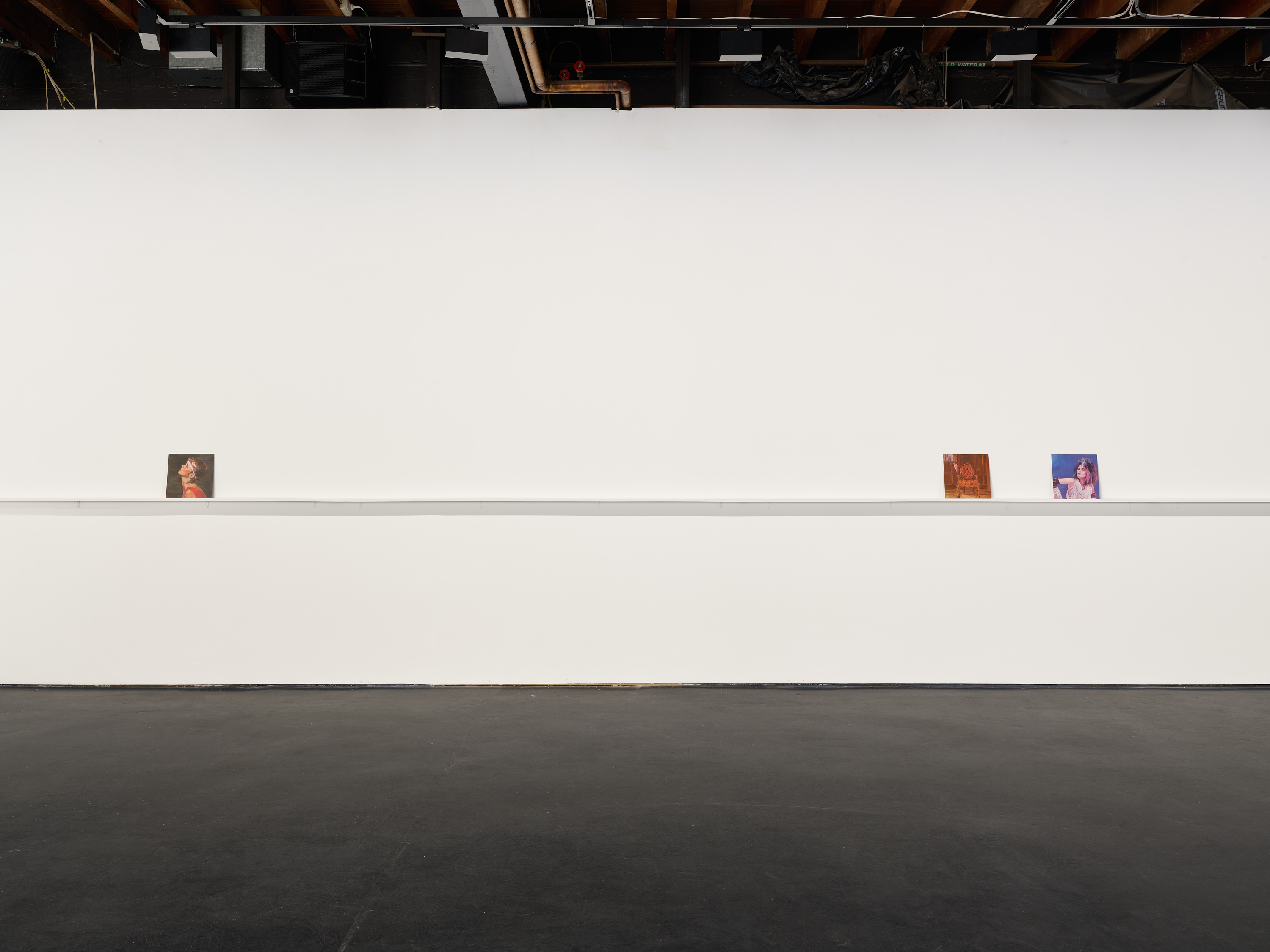
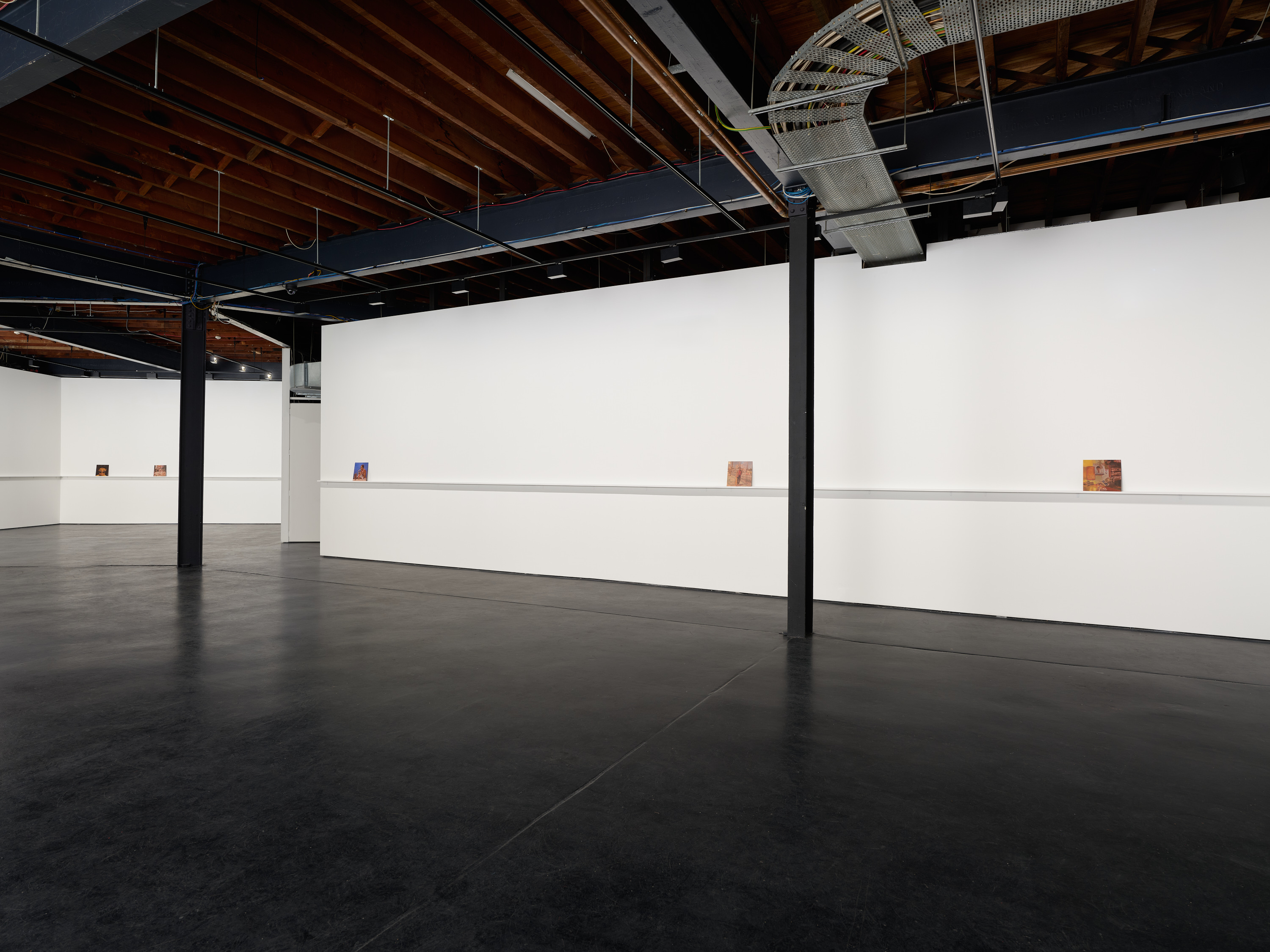
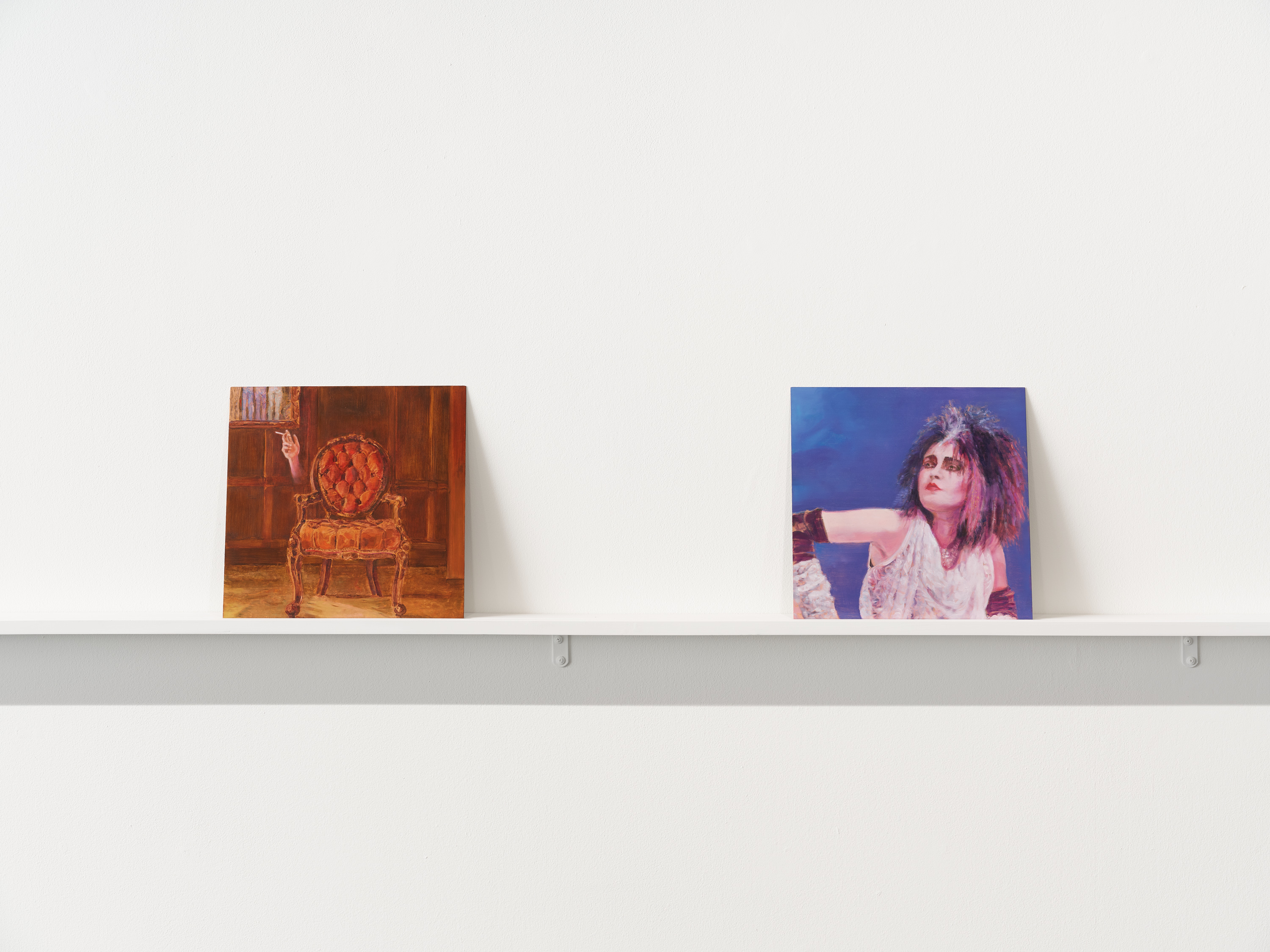
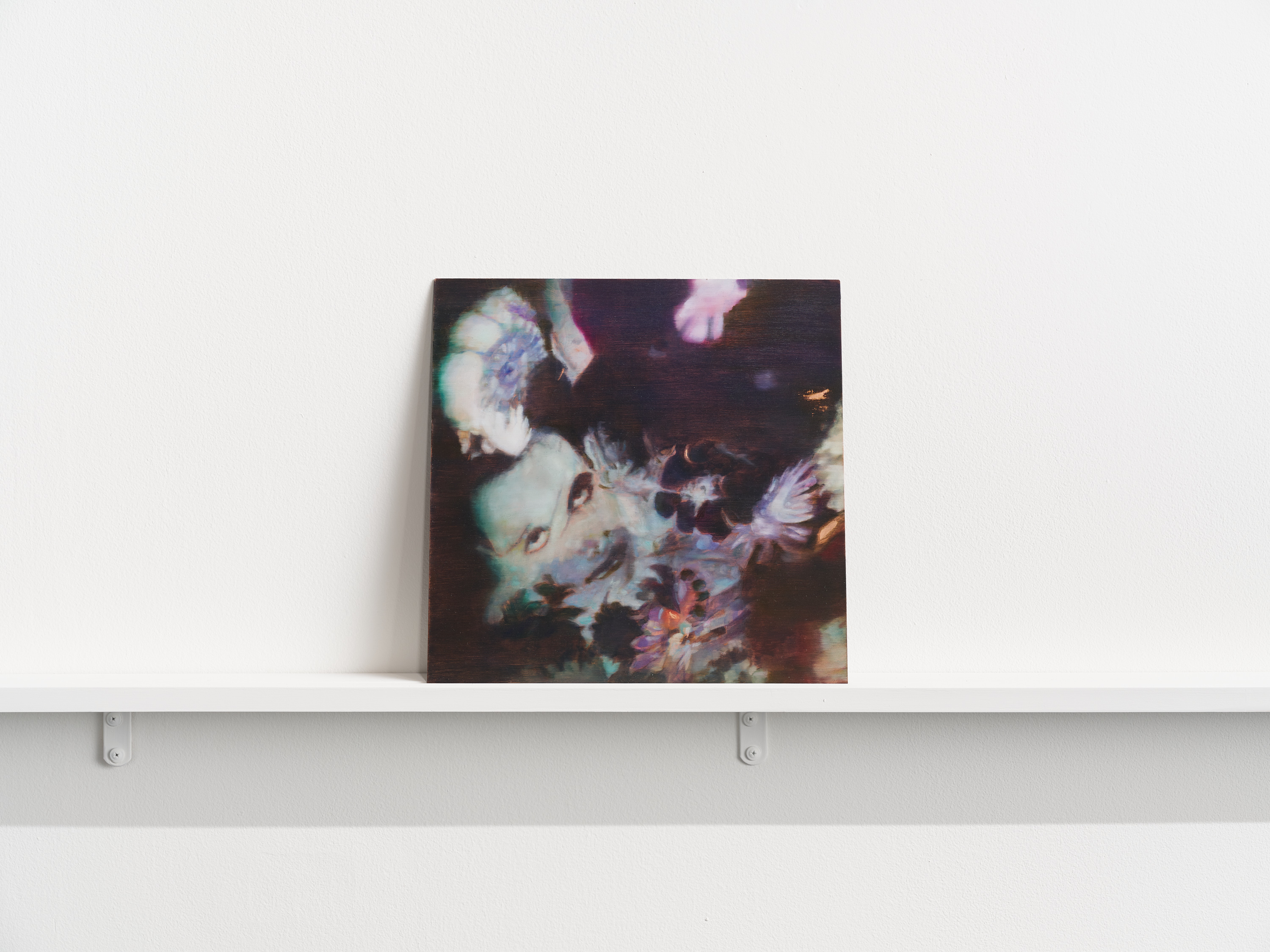
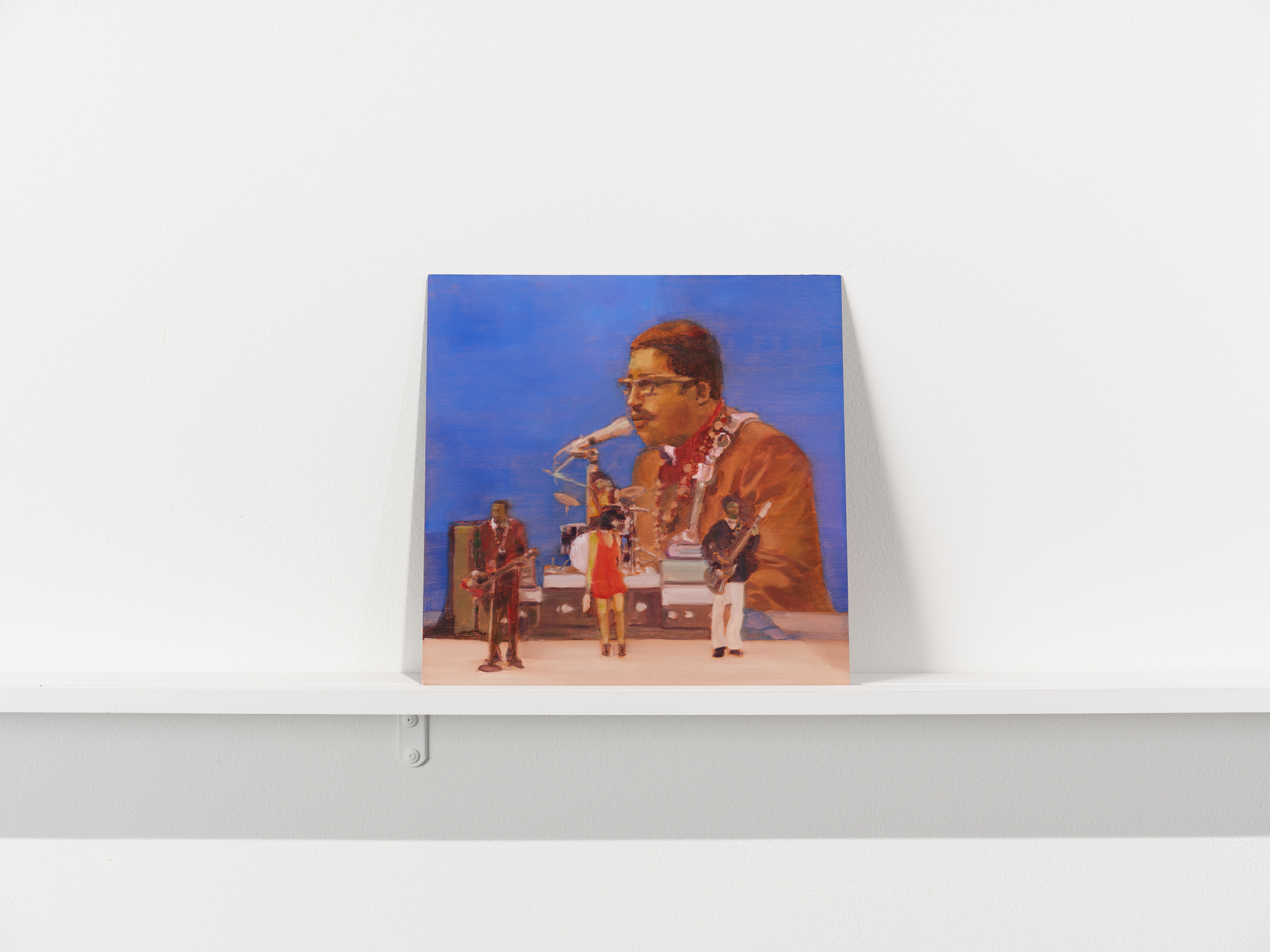
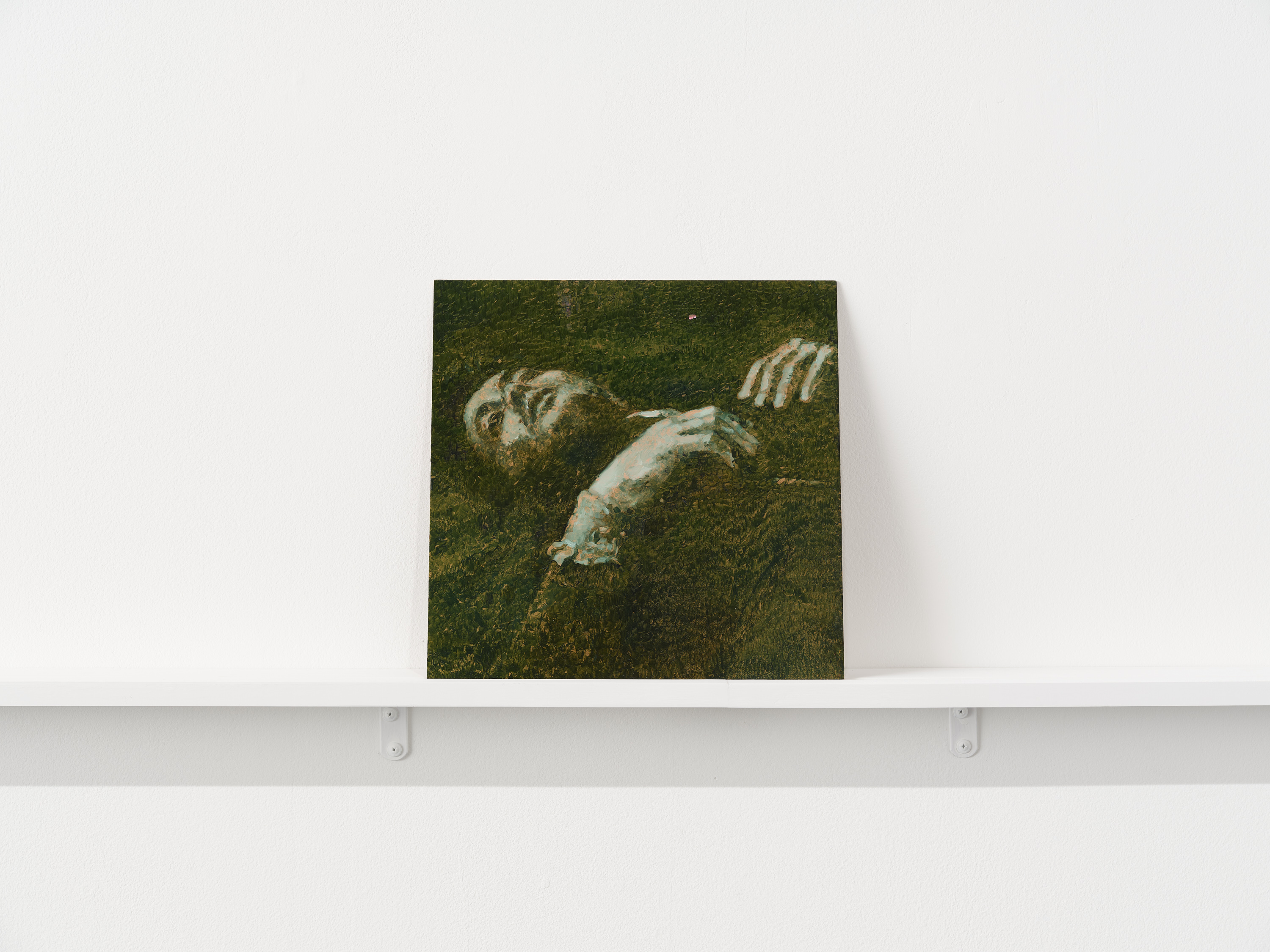
An excerpt from an accompanying exhibition text Side B: Disintegration, by Jensen Tjhung:
“Copper is an old metal that conducts heat and electricity. From the pinkish orange-wine shine, it develops, over time, a green-brown patina like an old coin, like lost treasure. It is traditionally used in the process of brewing beer and distilling whiskey, like bourbon. When you mix peroxide with copper, it produces a shimmering bluish translucent reaction, known as “ghosts” or Ghost Copper.
The sleeve concept for the soundtrack to the Monkees anti-pop art flick HEAD was to be a mirror. As a vinyl record is about the size of your head, the idea was when you hold the album up you see a reflection of yourself. Except it didn’t really work. The mylar foil stock they used wasn’t really mirror-ey enough and only reflected a fleshy, haunted blur of yourself, like an oily ghost slipping off the page. The mylar wrecked the printing machines and a lot of them peeled off over time and production costs were so astronomical it nearly sunk the label. It became rare and self-destructive the moment it was born and somehow you were involved.”
Documentation by Christo Crocker.
Exhibitions (7)
Fiona and Sidney Myer Gallery
28 Aug.–26 Sep.
2026
South Yarra
8 Feb.–8 Mar.
2025
City
22 Sep.–14 Oct.
2016
City
12 Mar.–5 Apr.
2013
8 Jun.–2 Jul.
2010
City
27 Nov.–21 Dec.
2007
City
2 May.–2 Jun.
2006