Neon Parc acknowledges the Wurundjeri Woi Wurrung and Bunurong Boon Wurrung as the Traditional Owners and sovereign custodians of the Country on which we operate. We pay our deepest respects to their Elders past and present. Always was, always will be Aboriginal land.
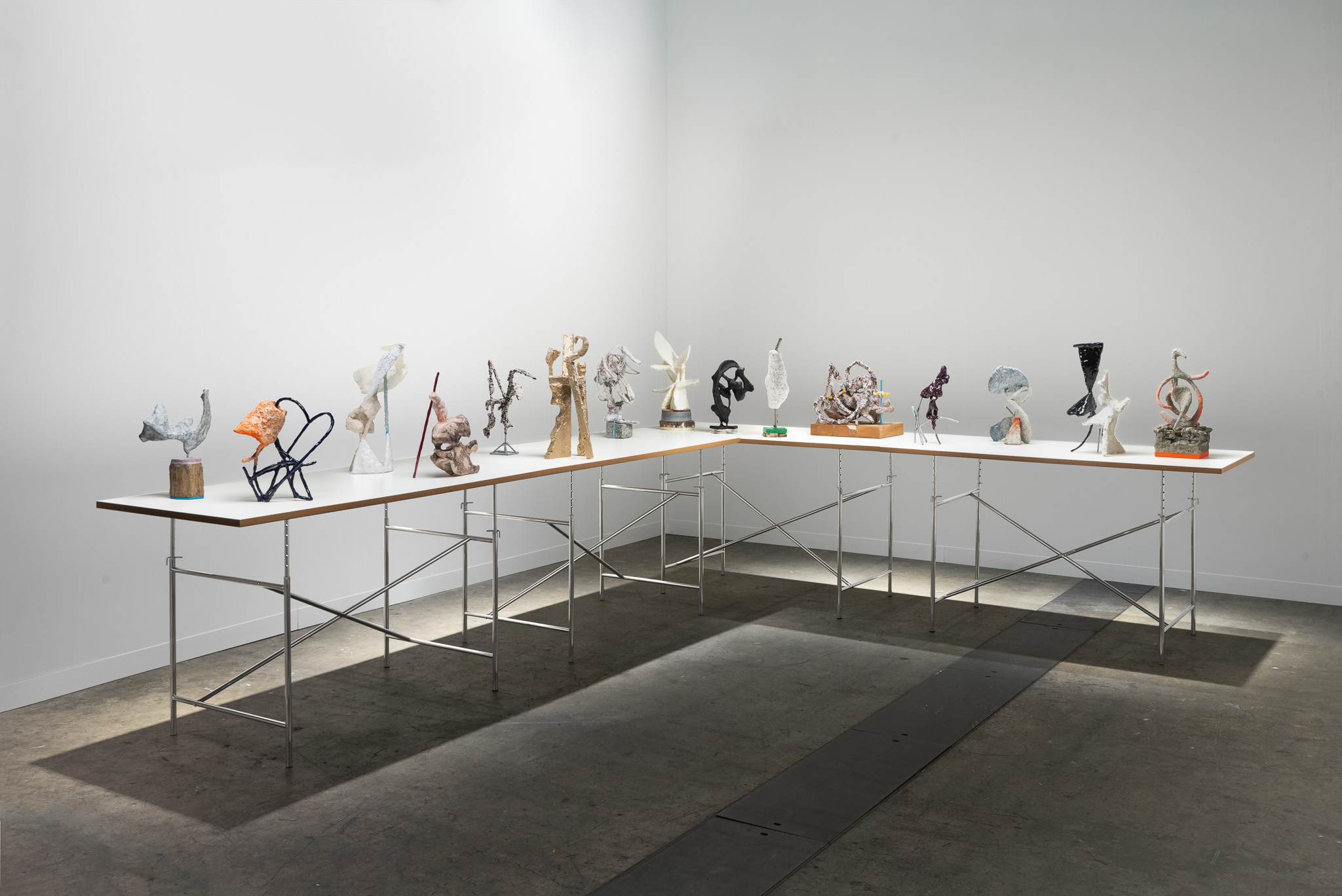
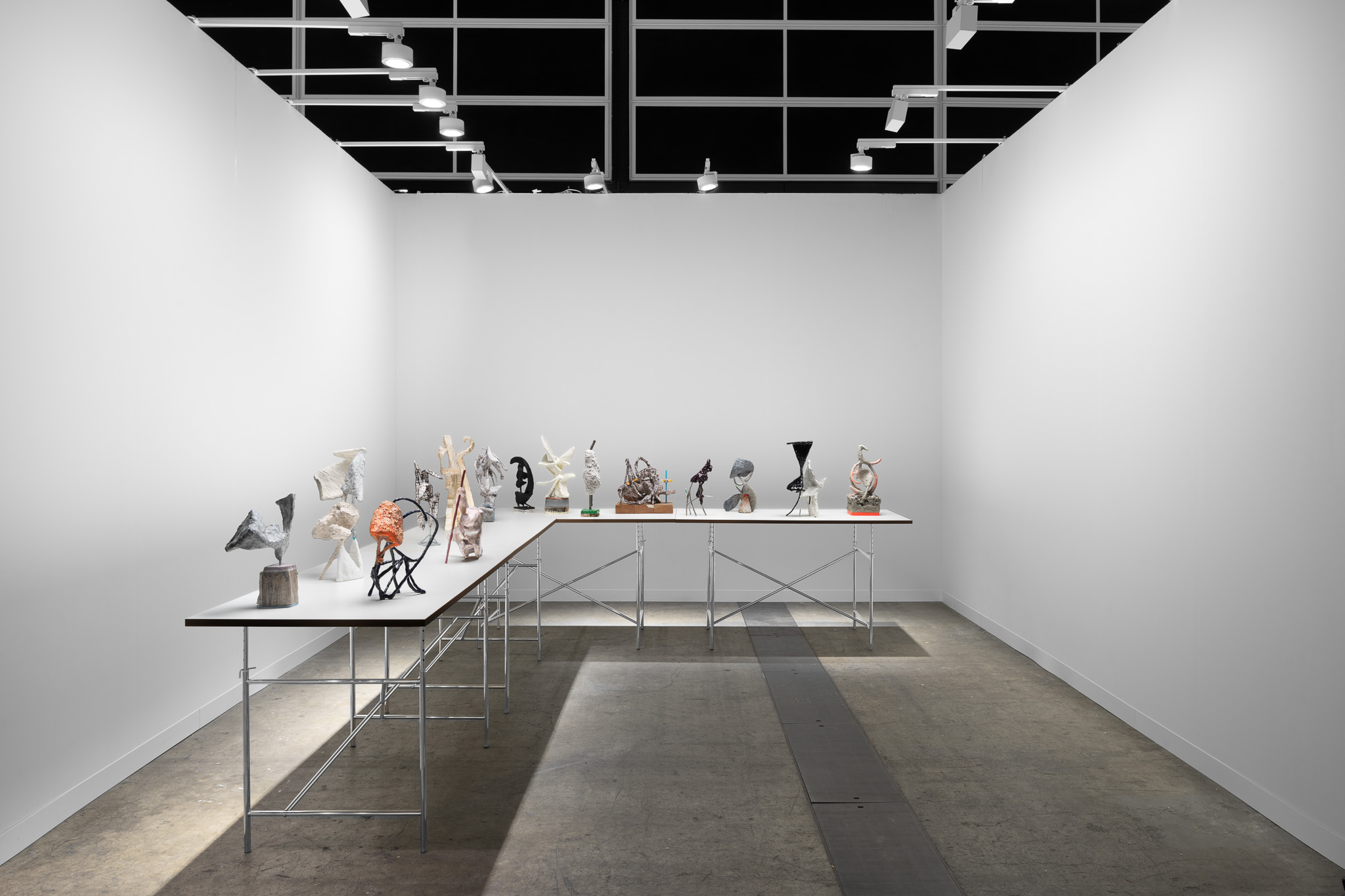
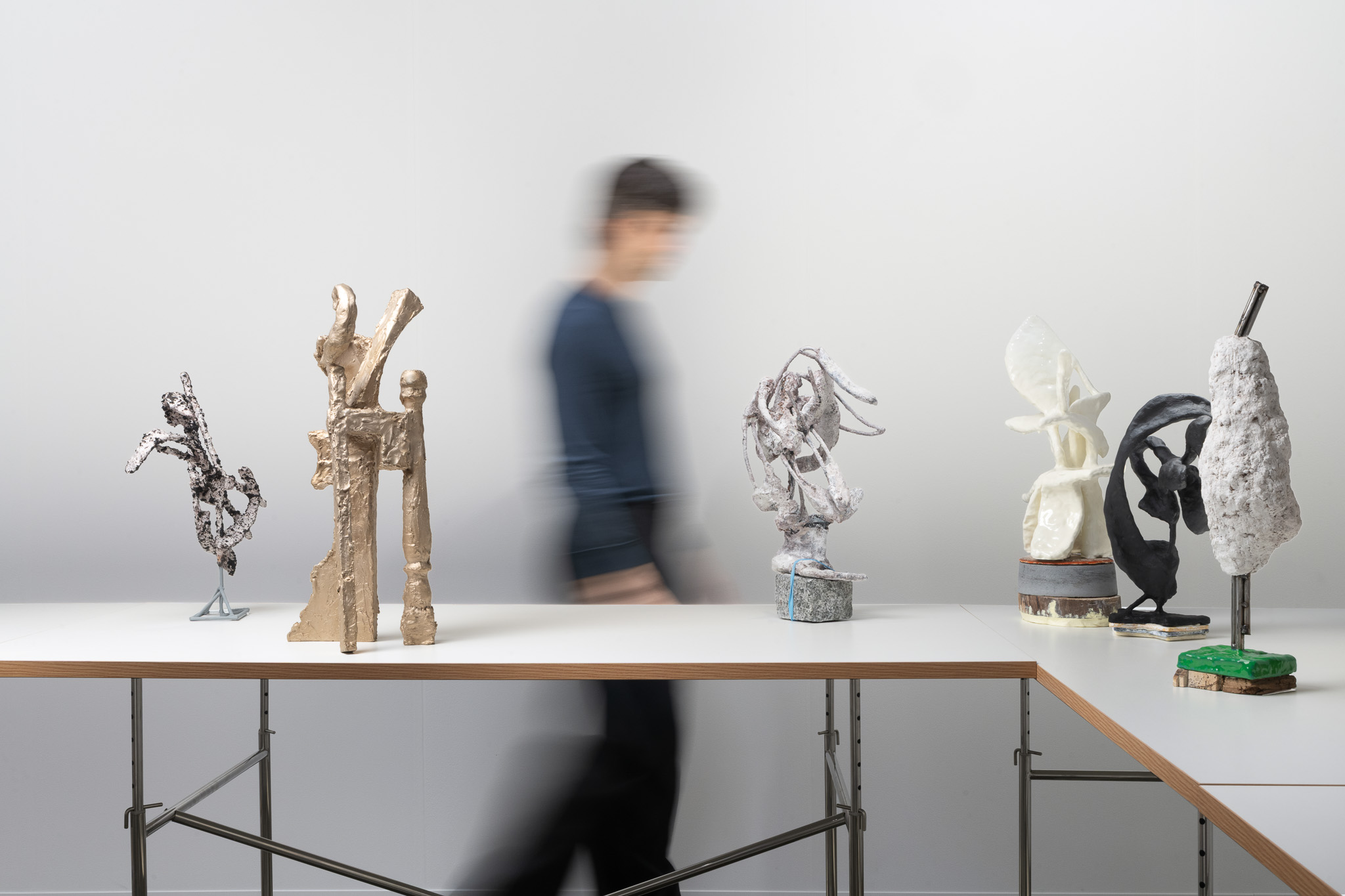
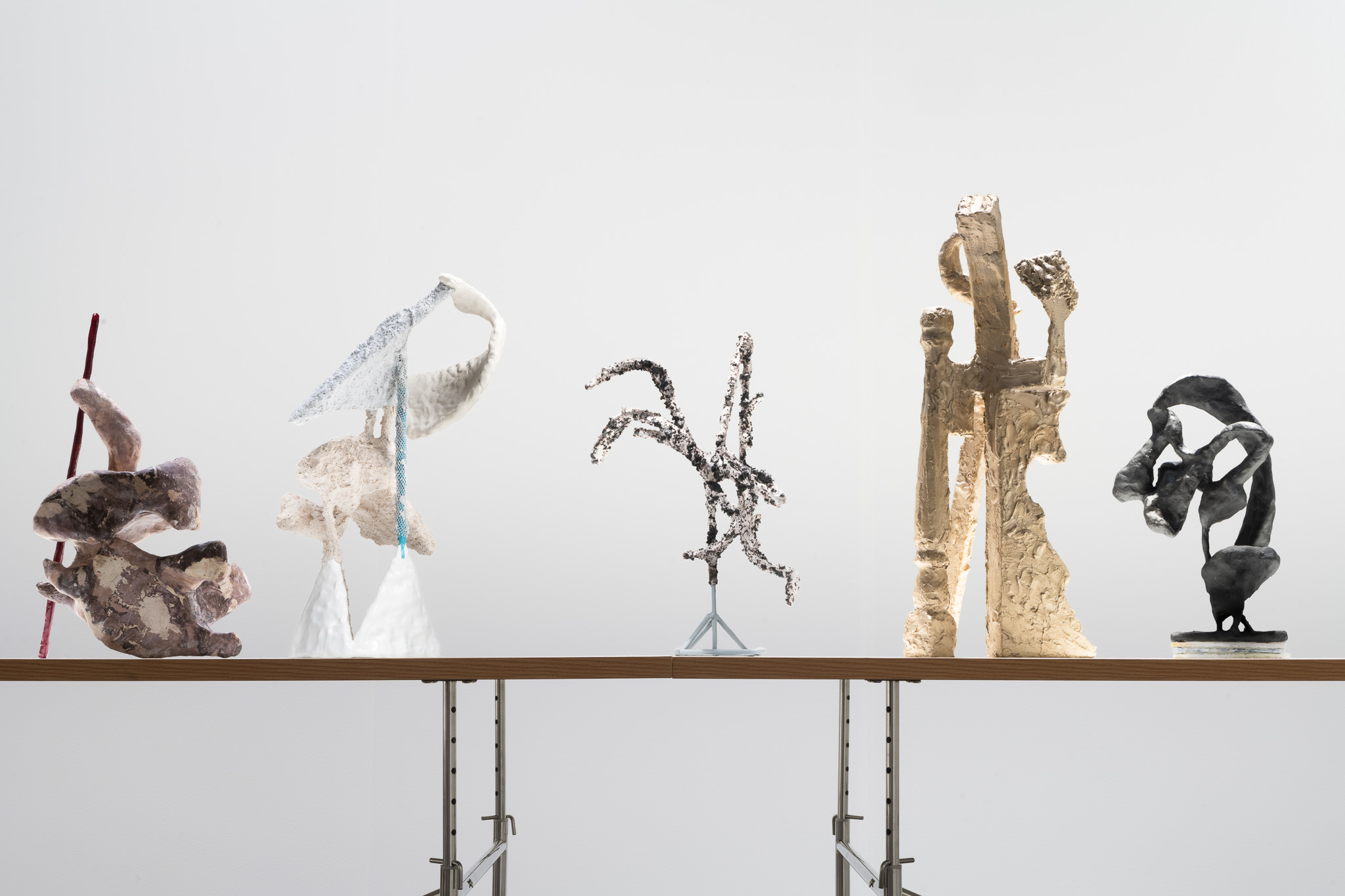
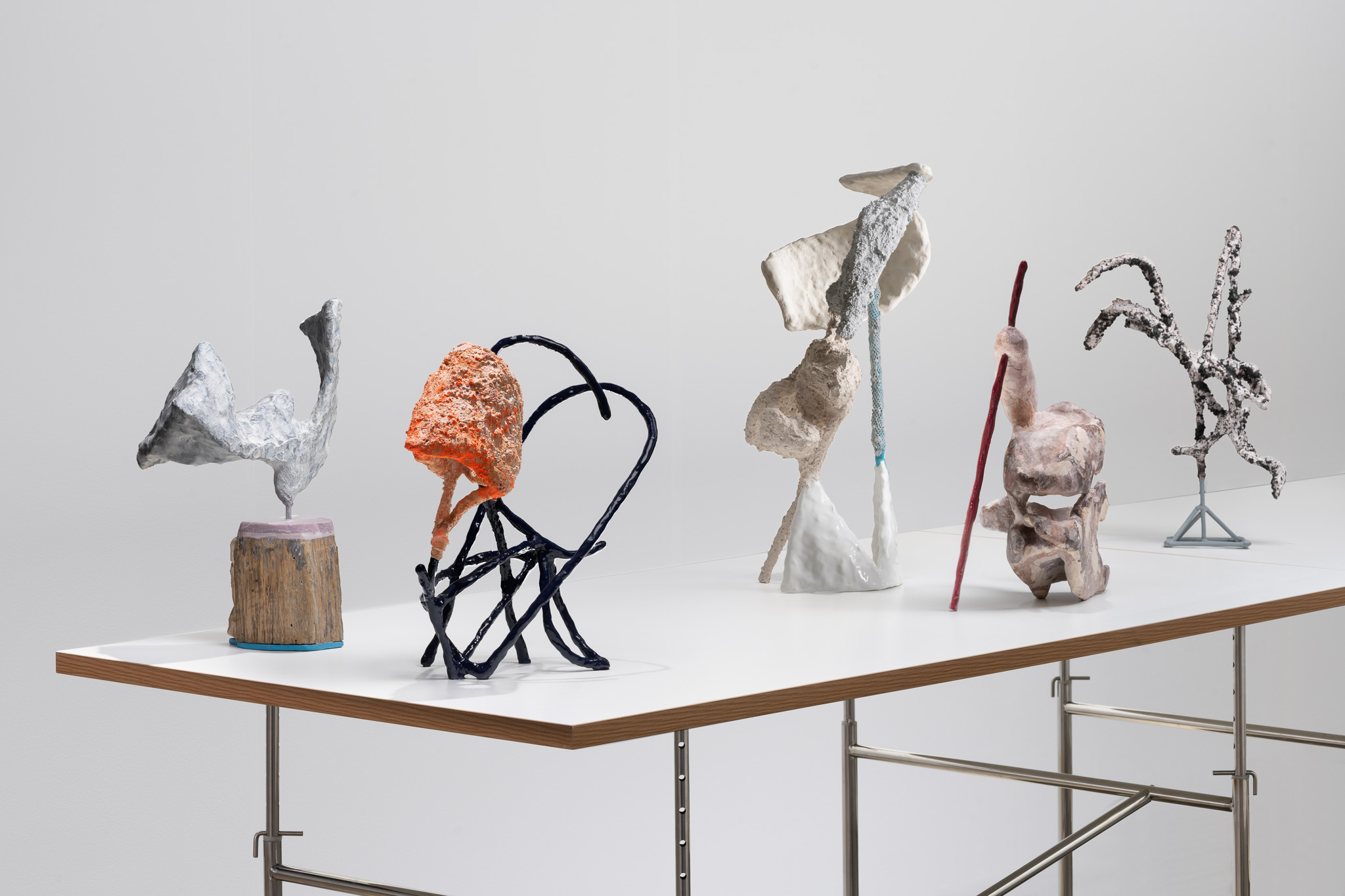
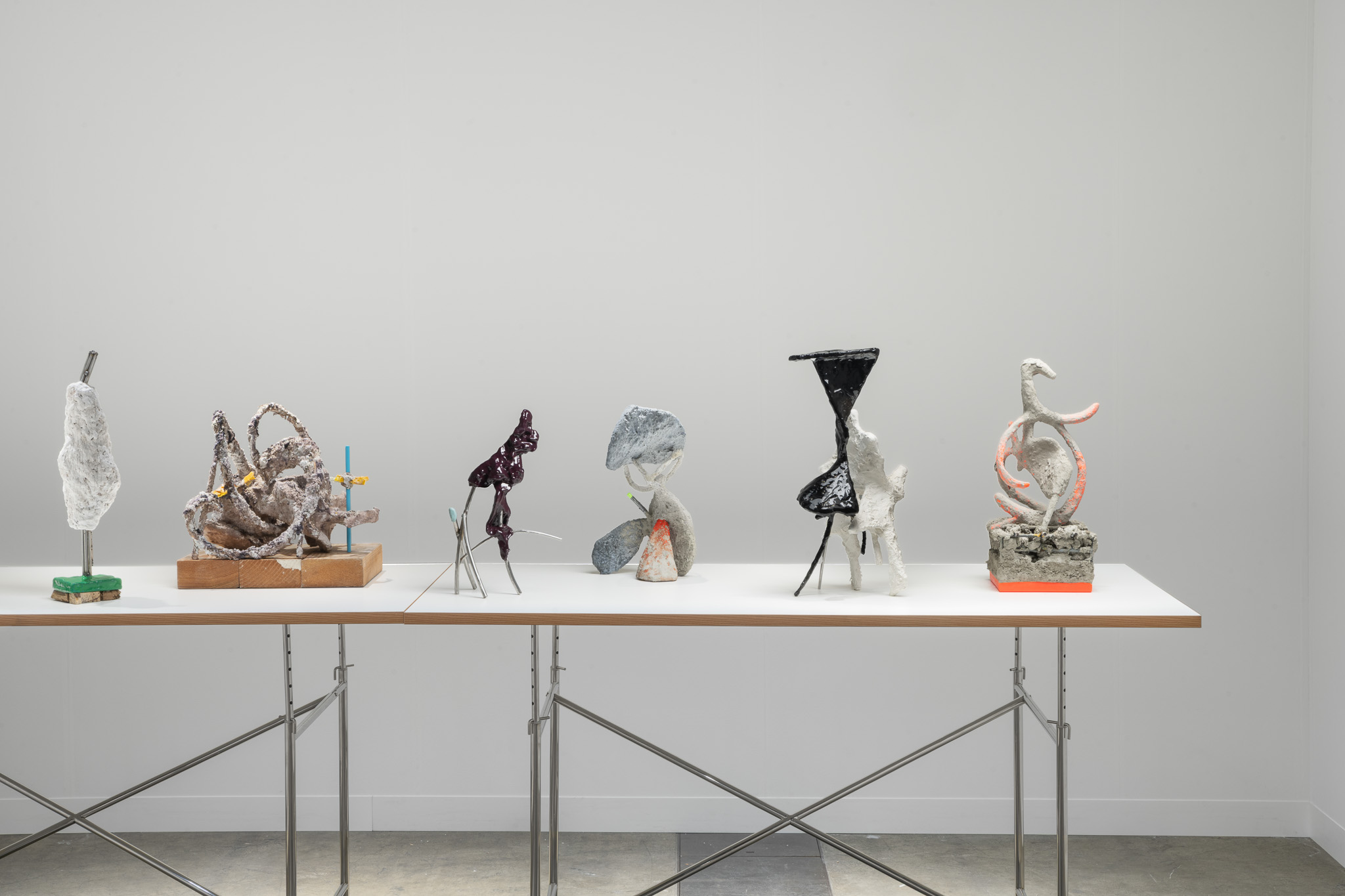
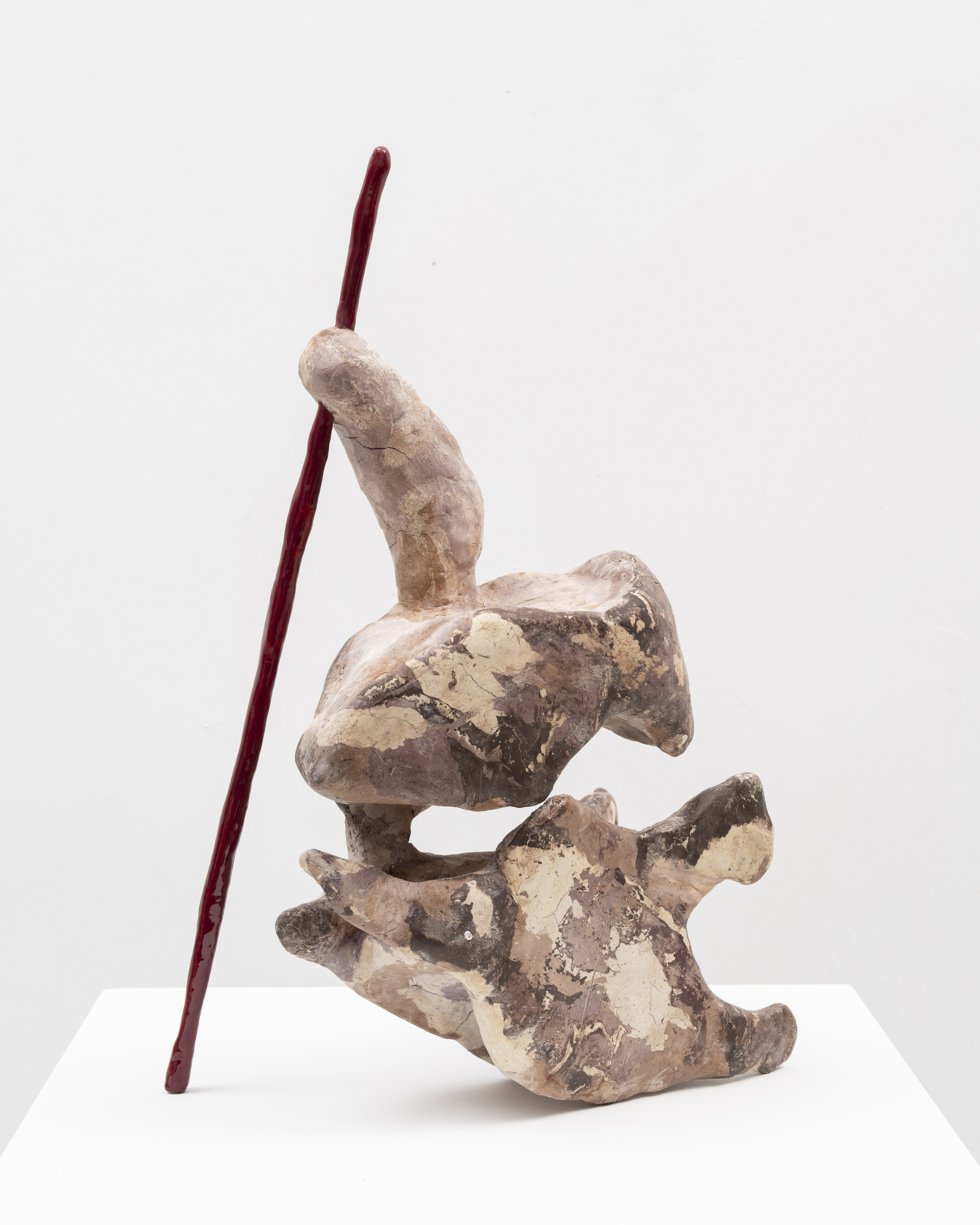
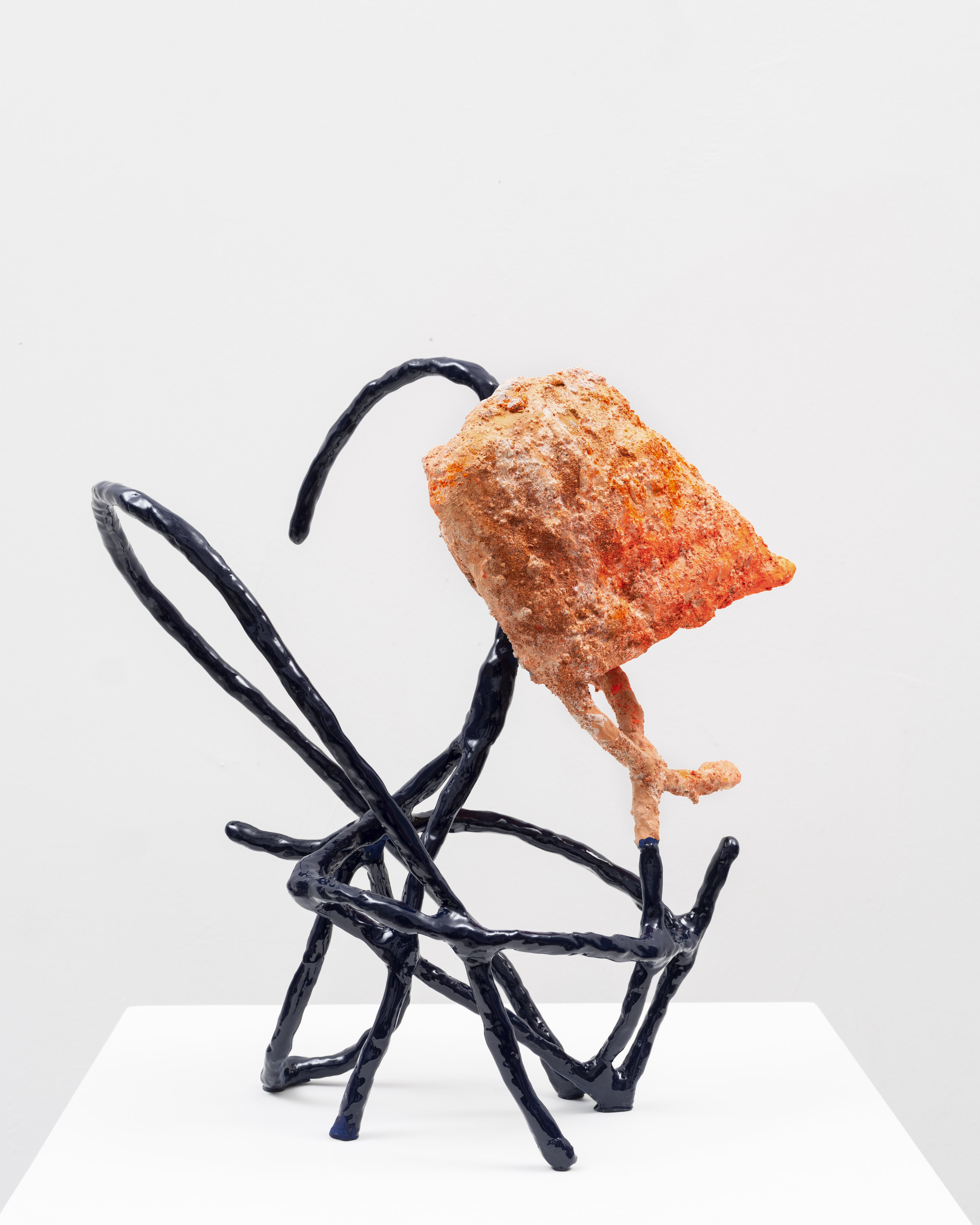
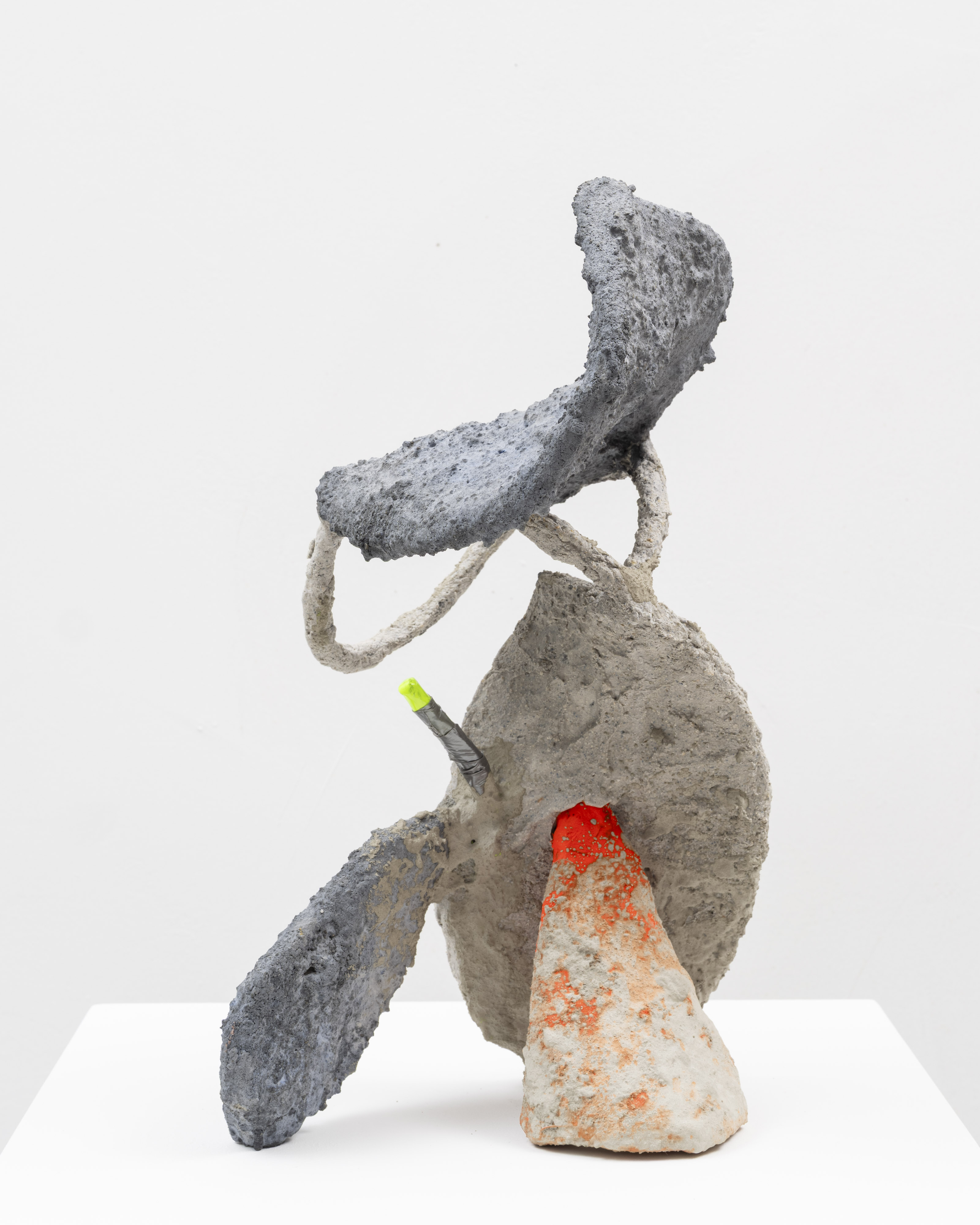
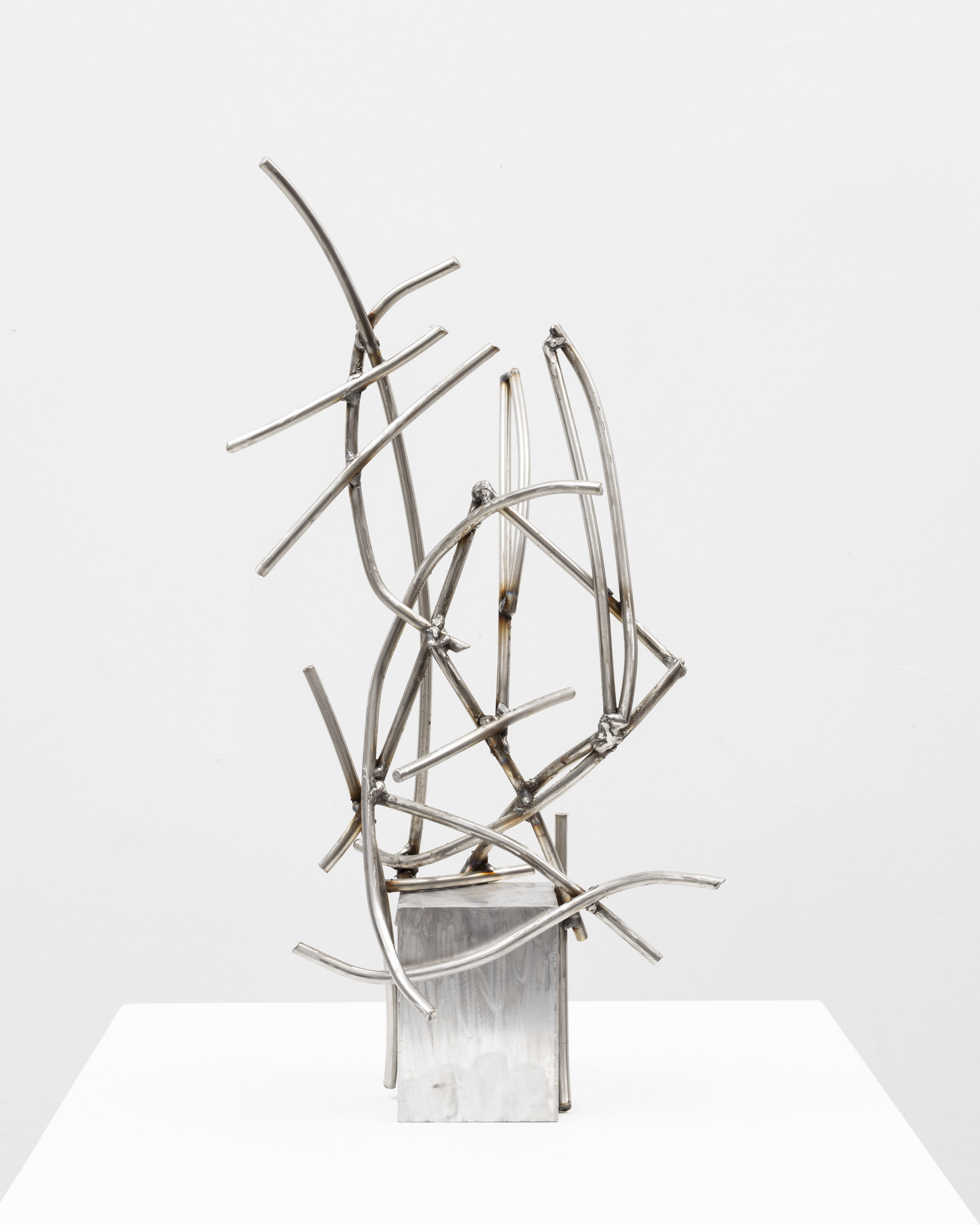
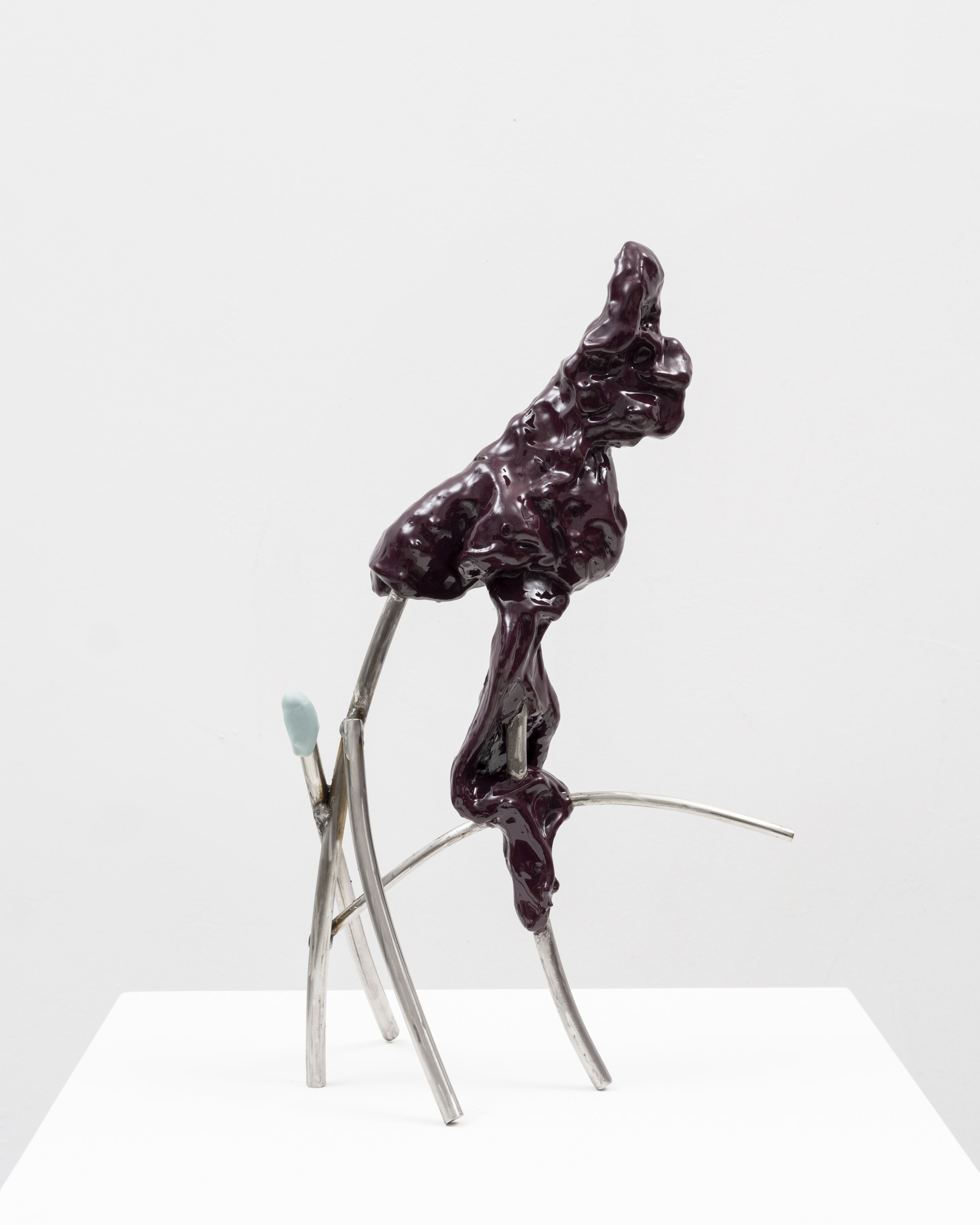
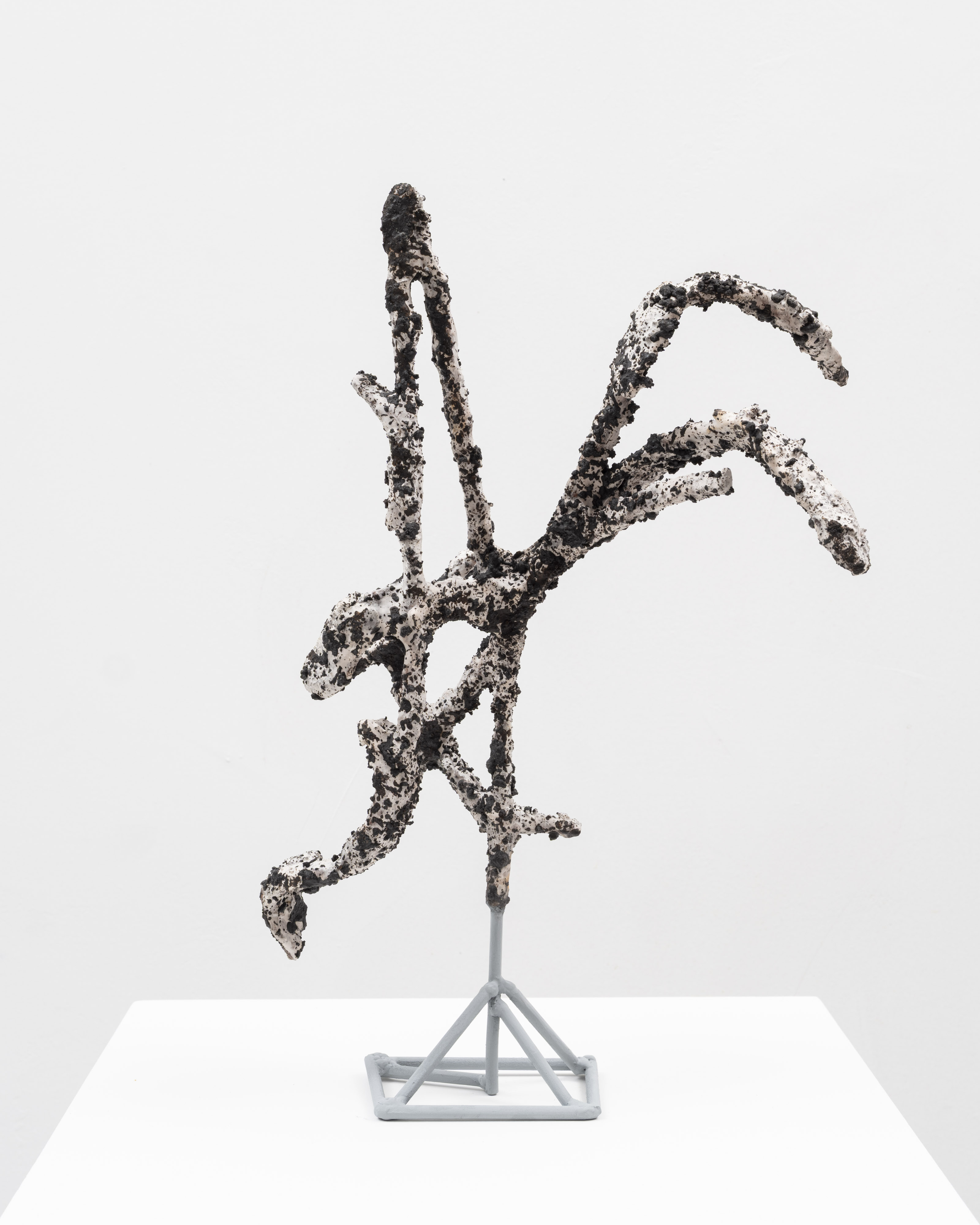
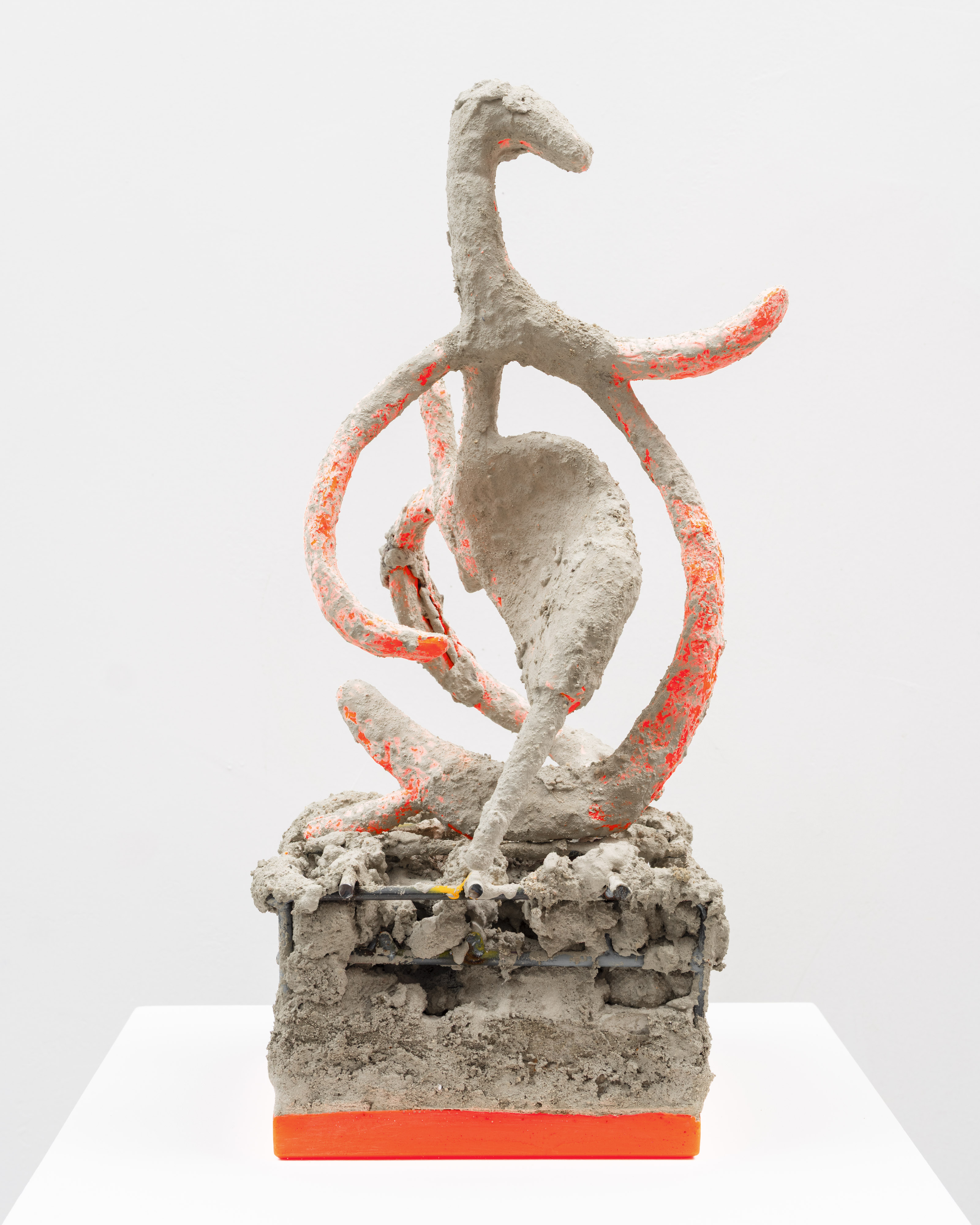
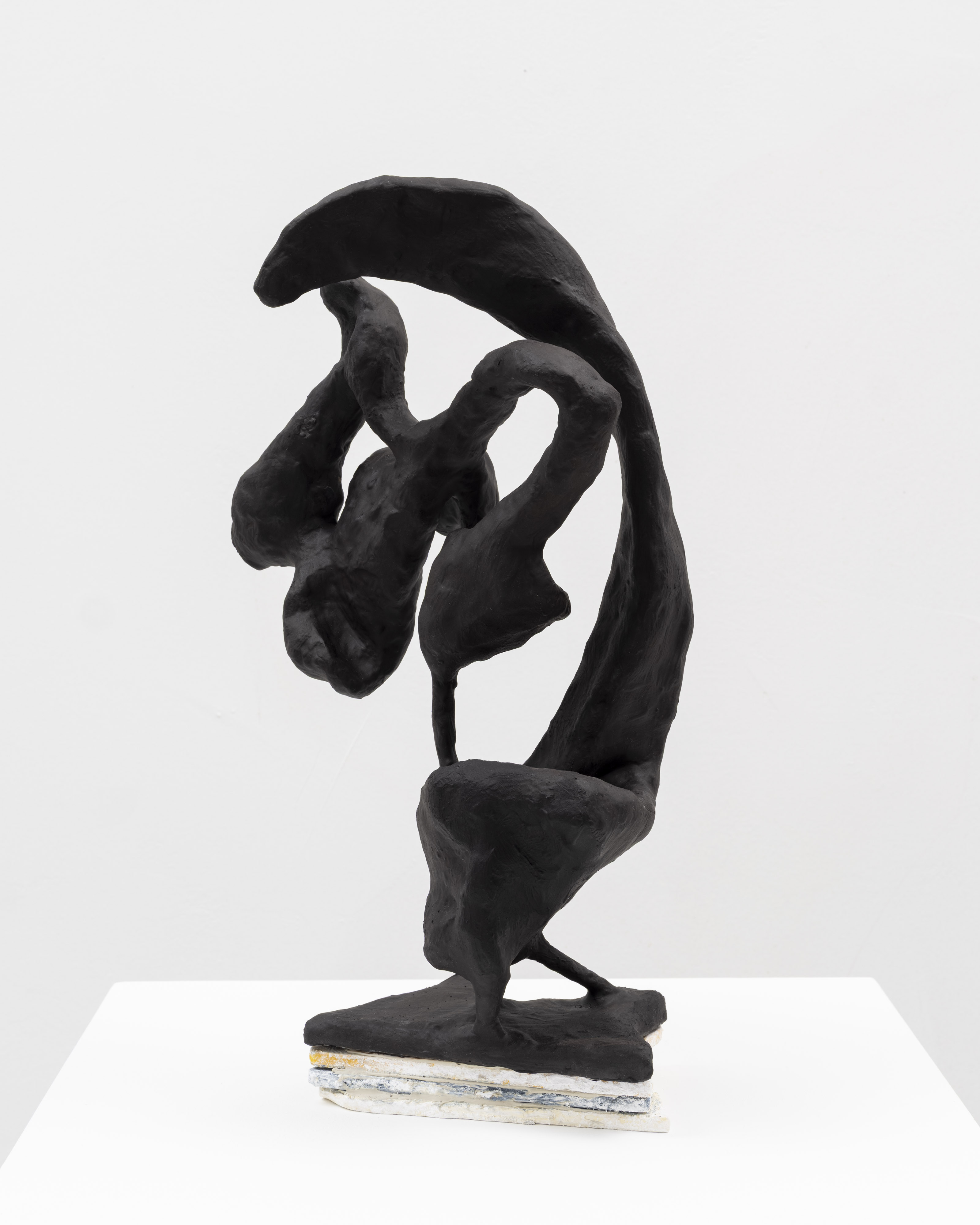
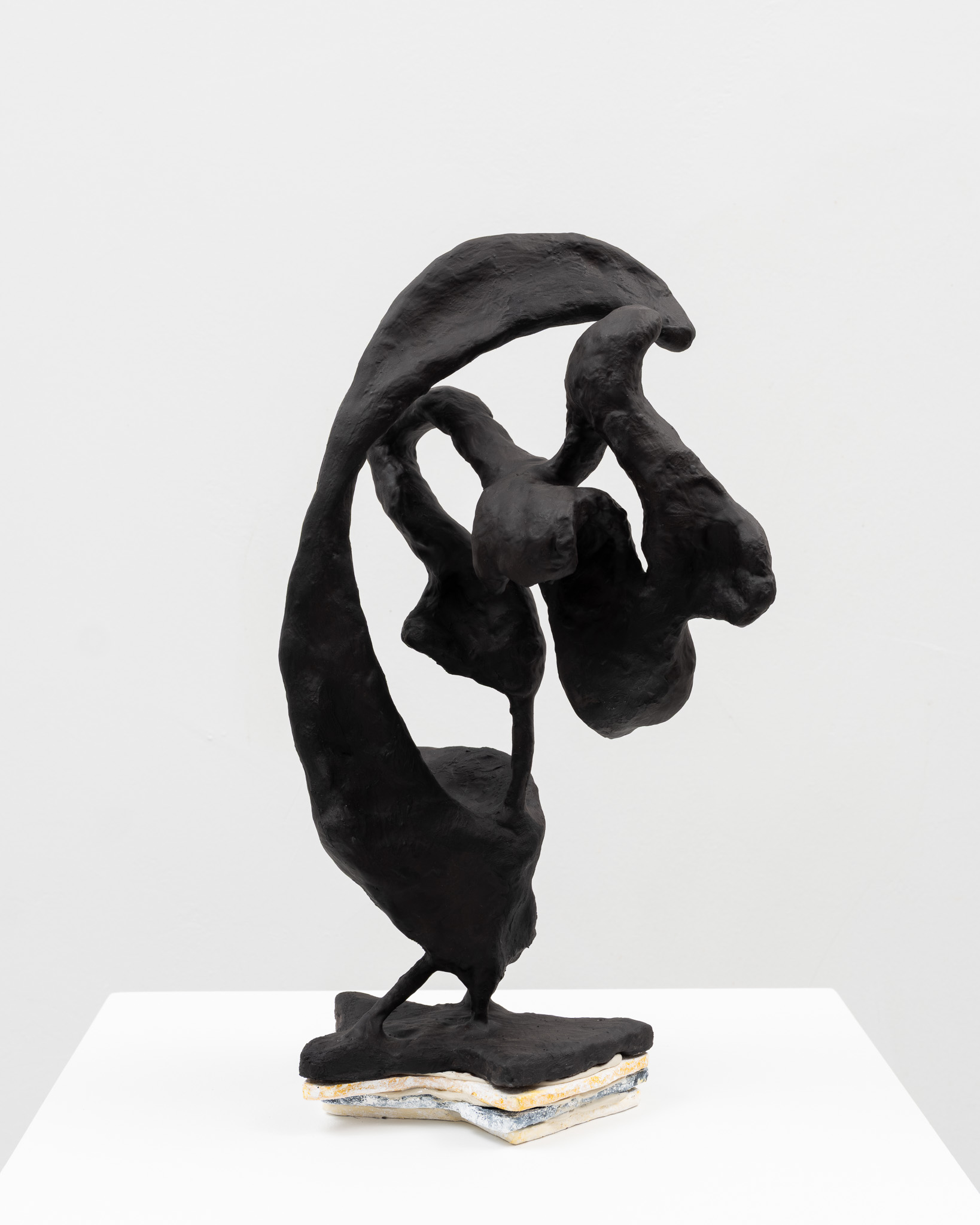
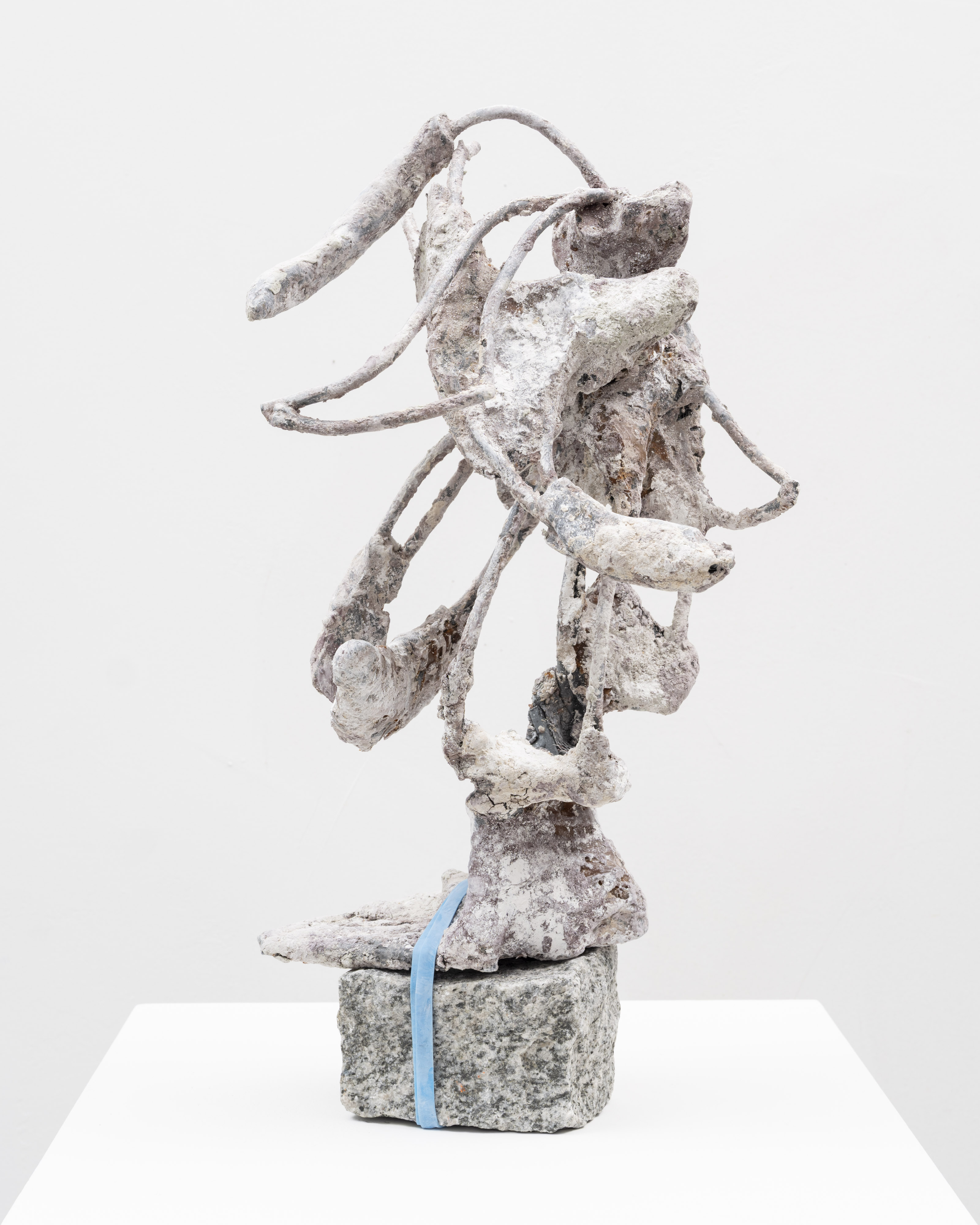
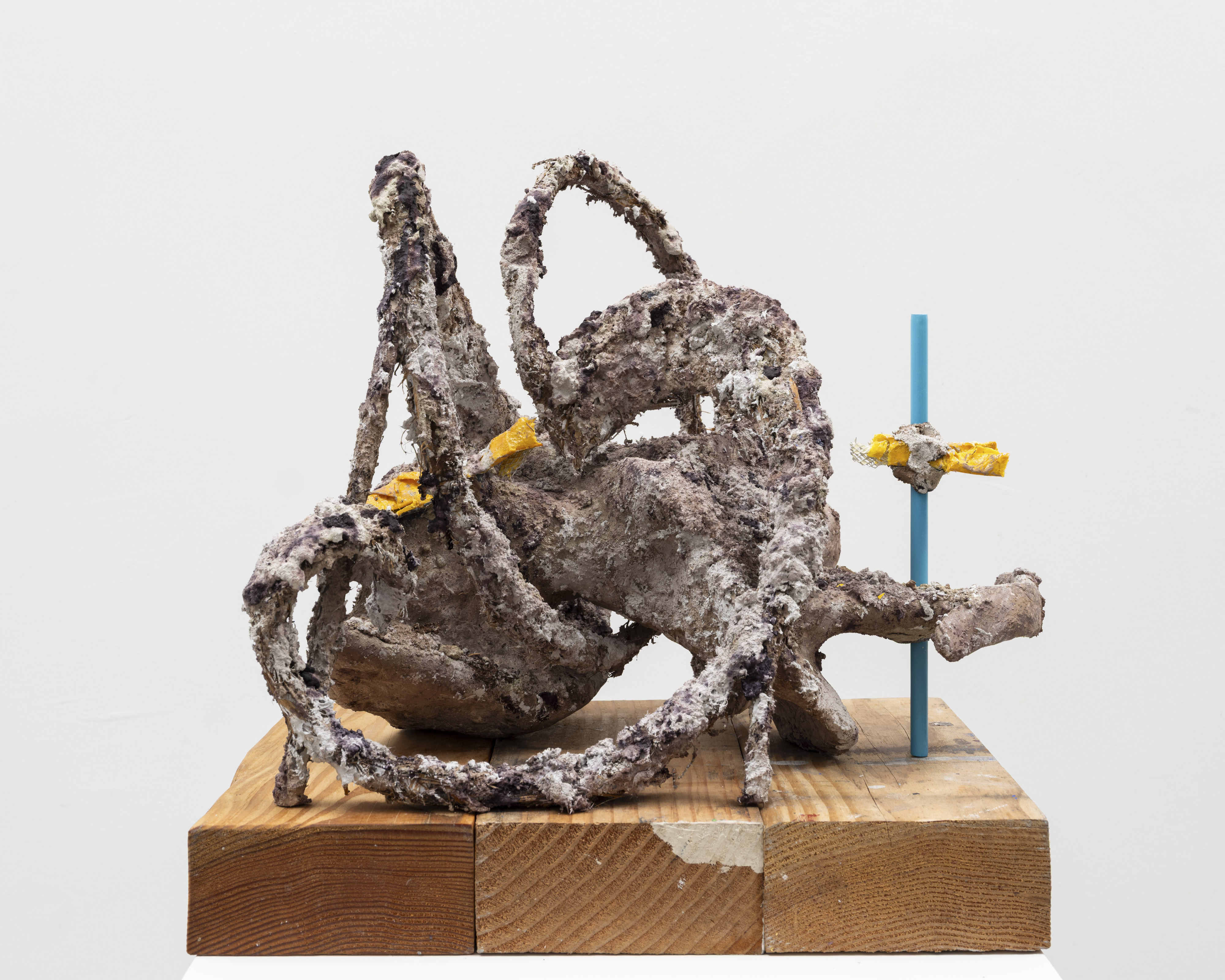
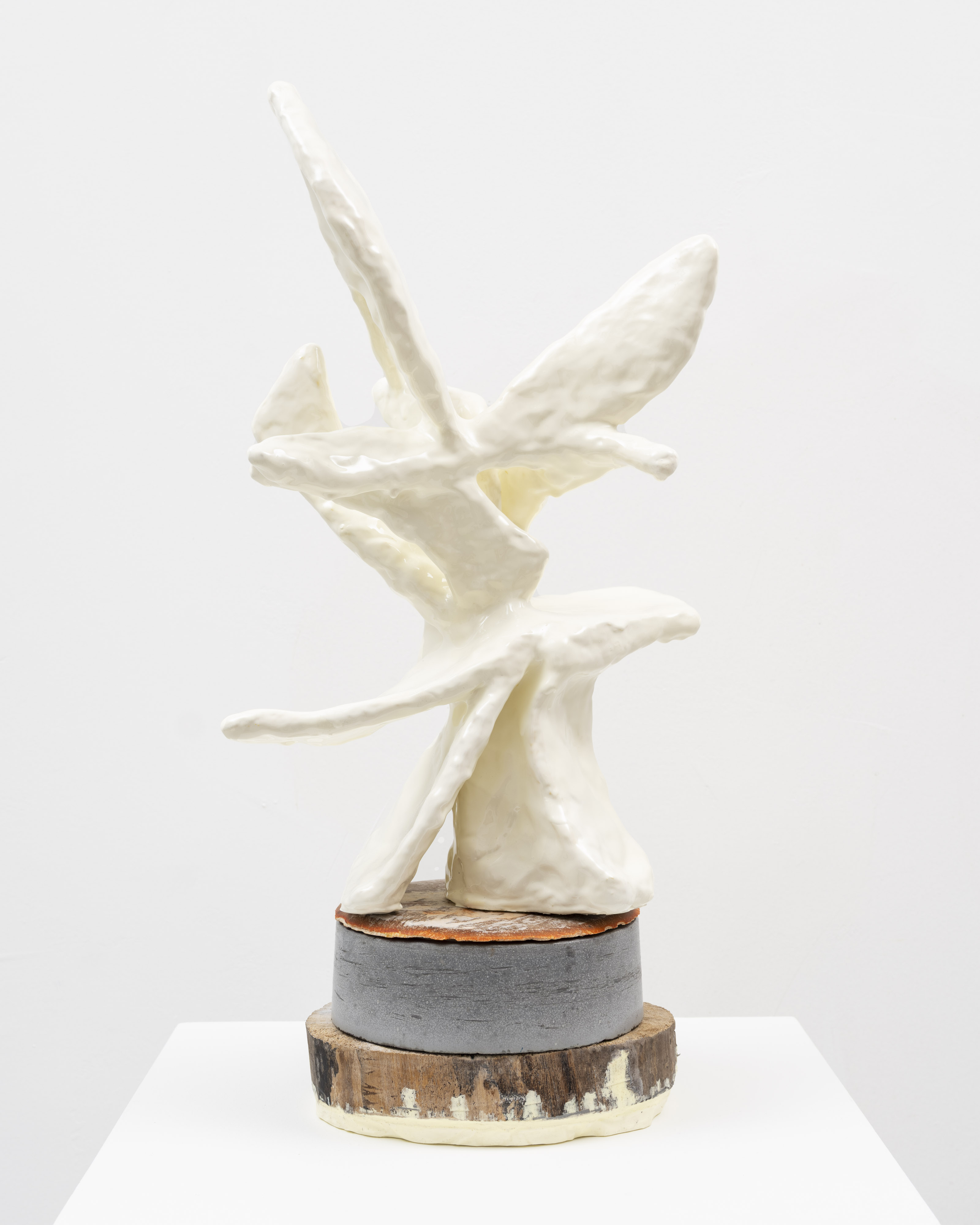
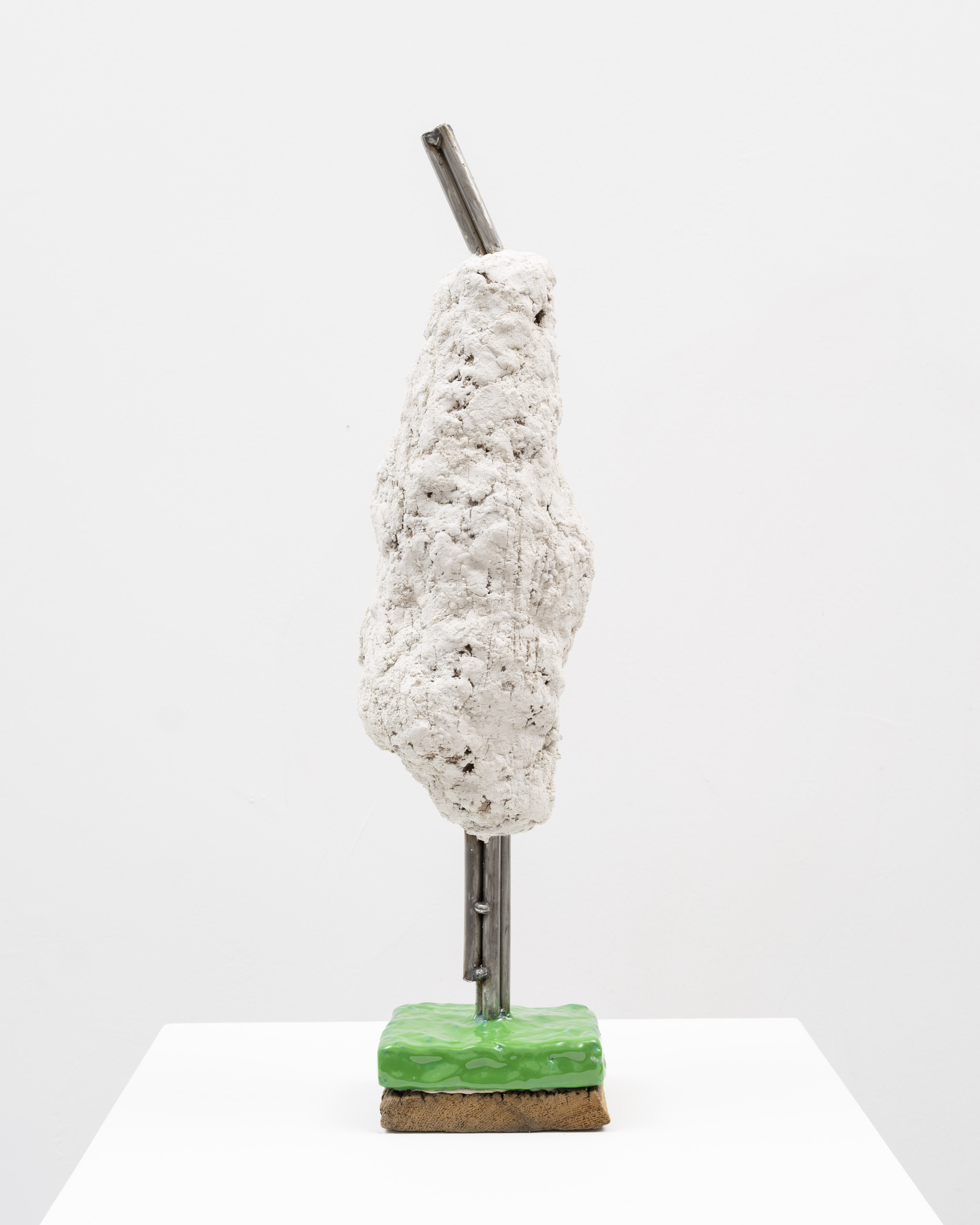
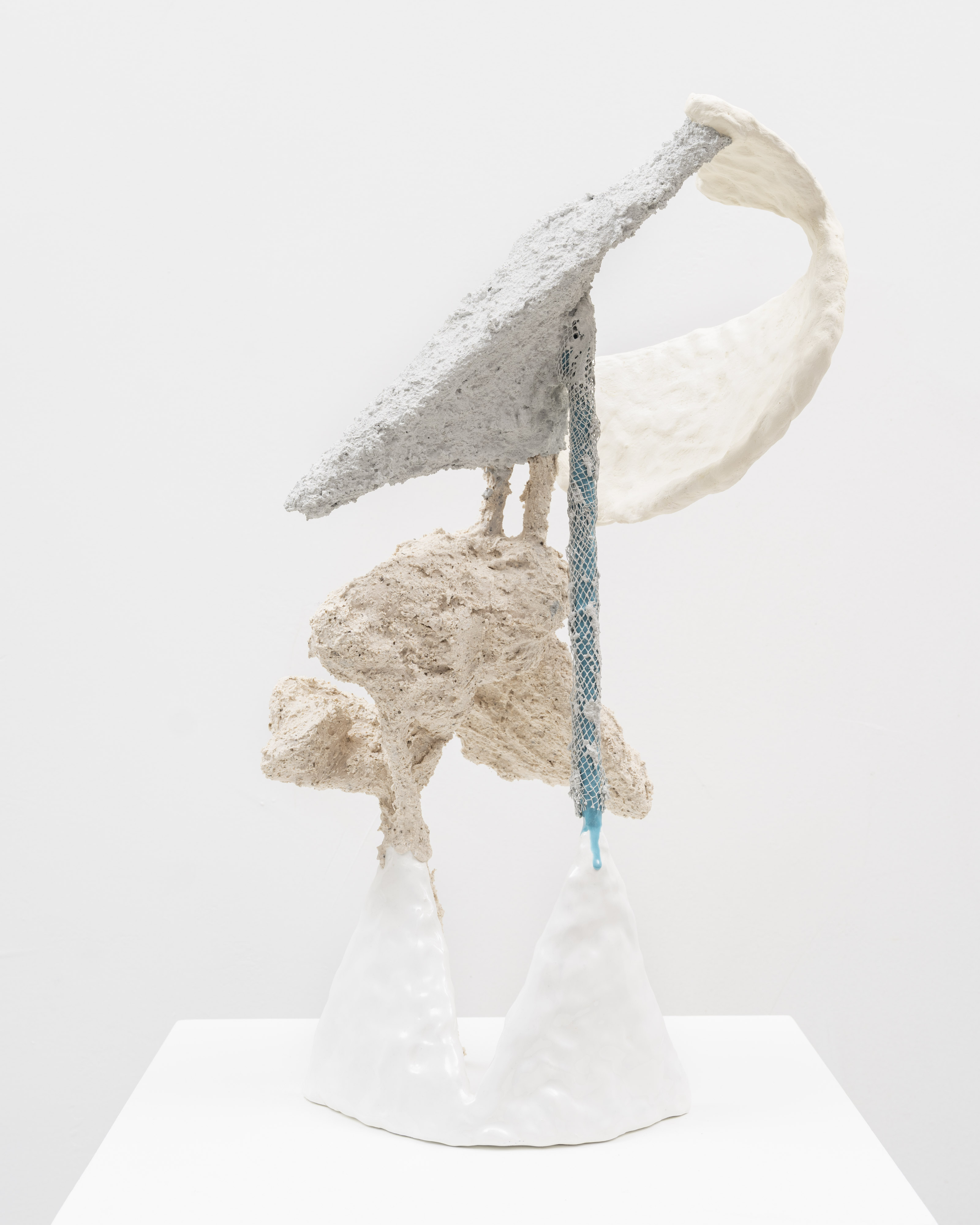
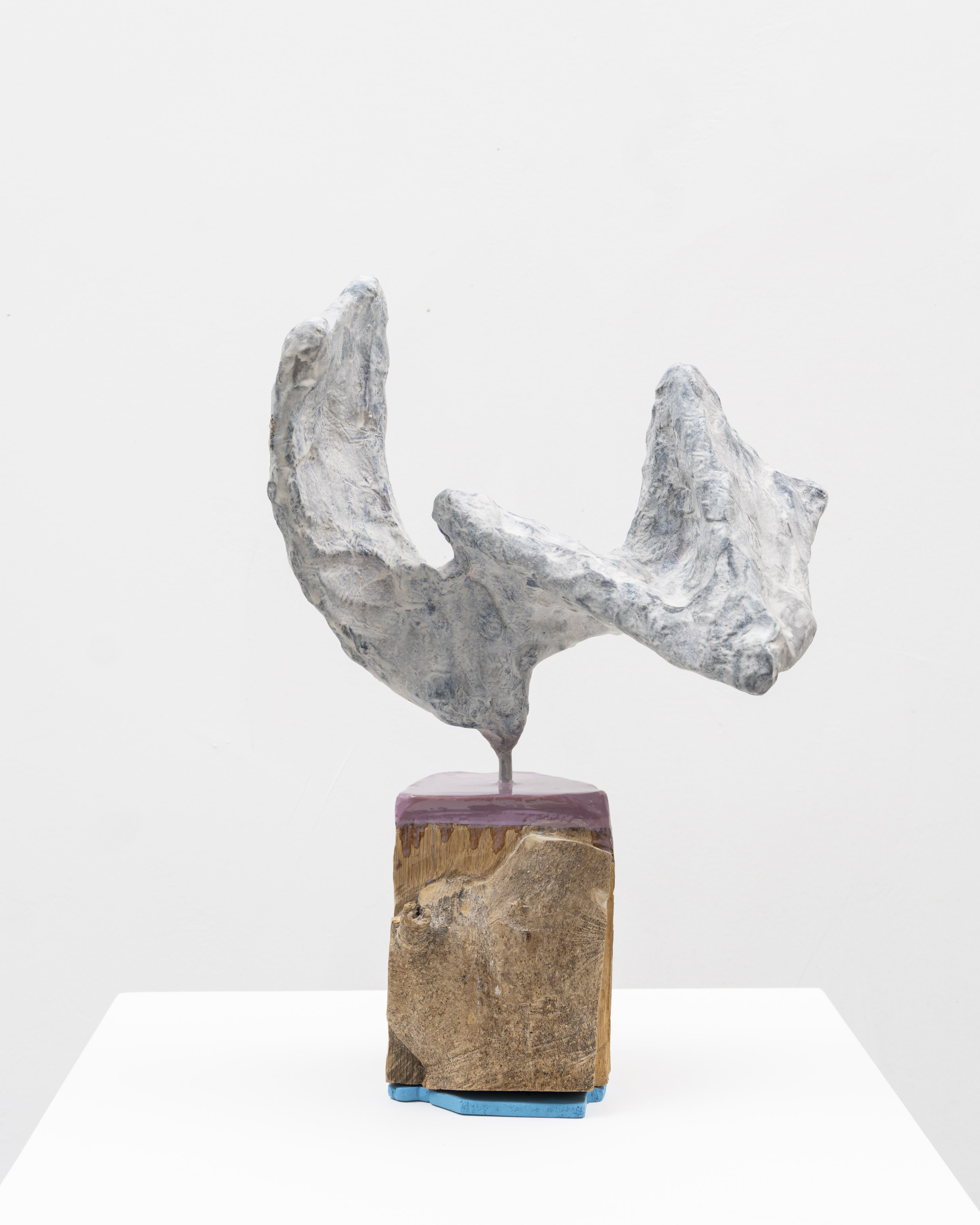
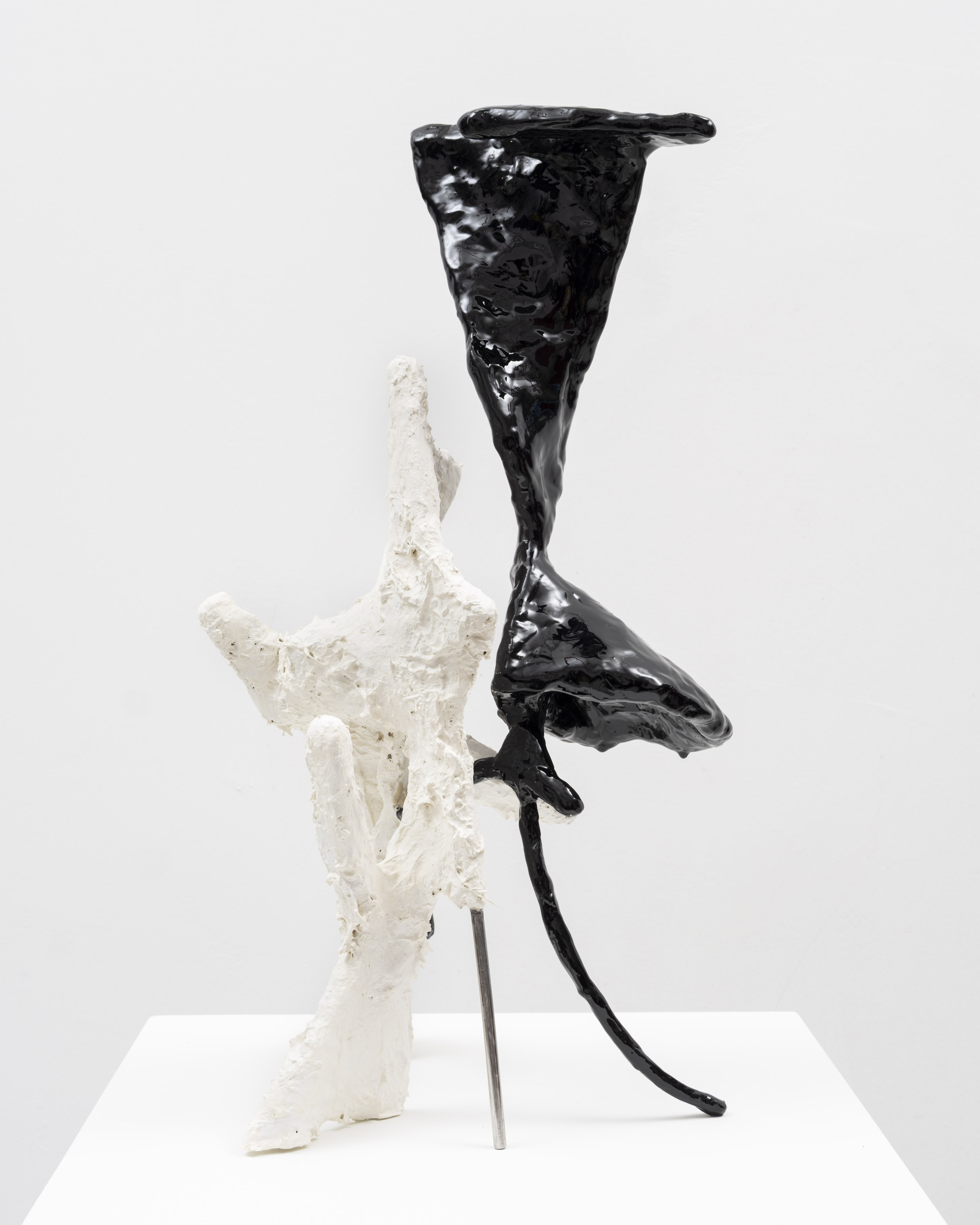
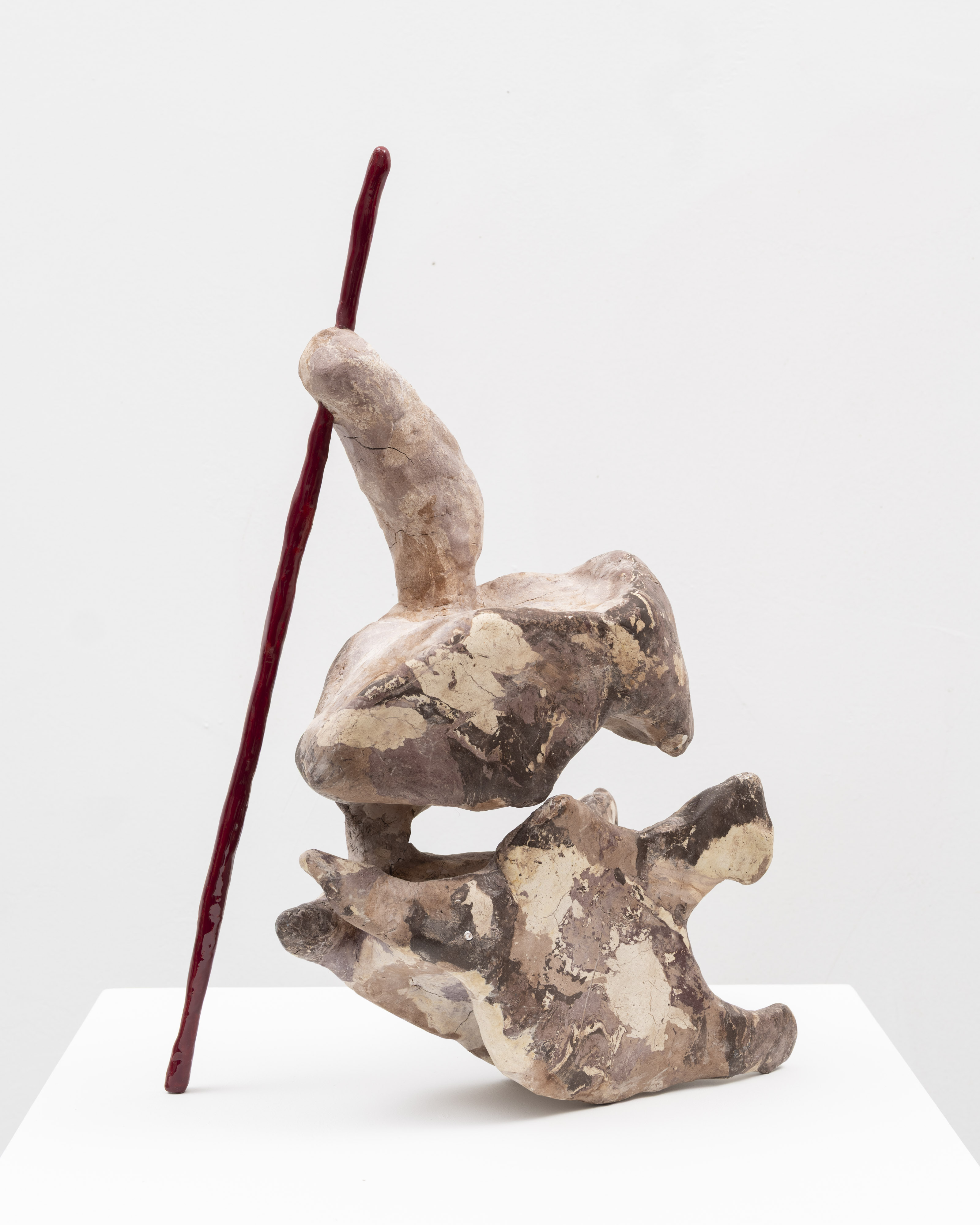
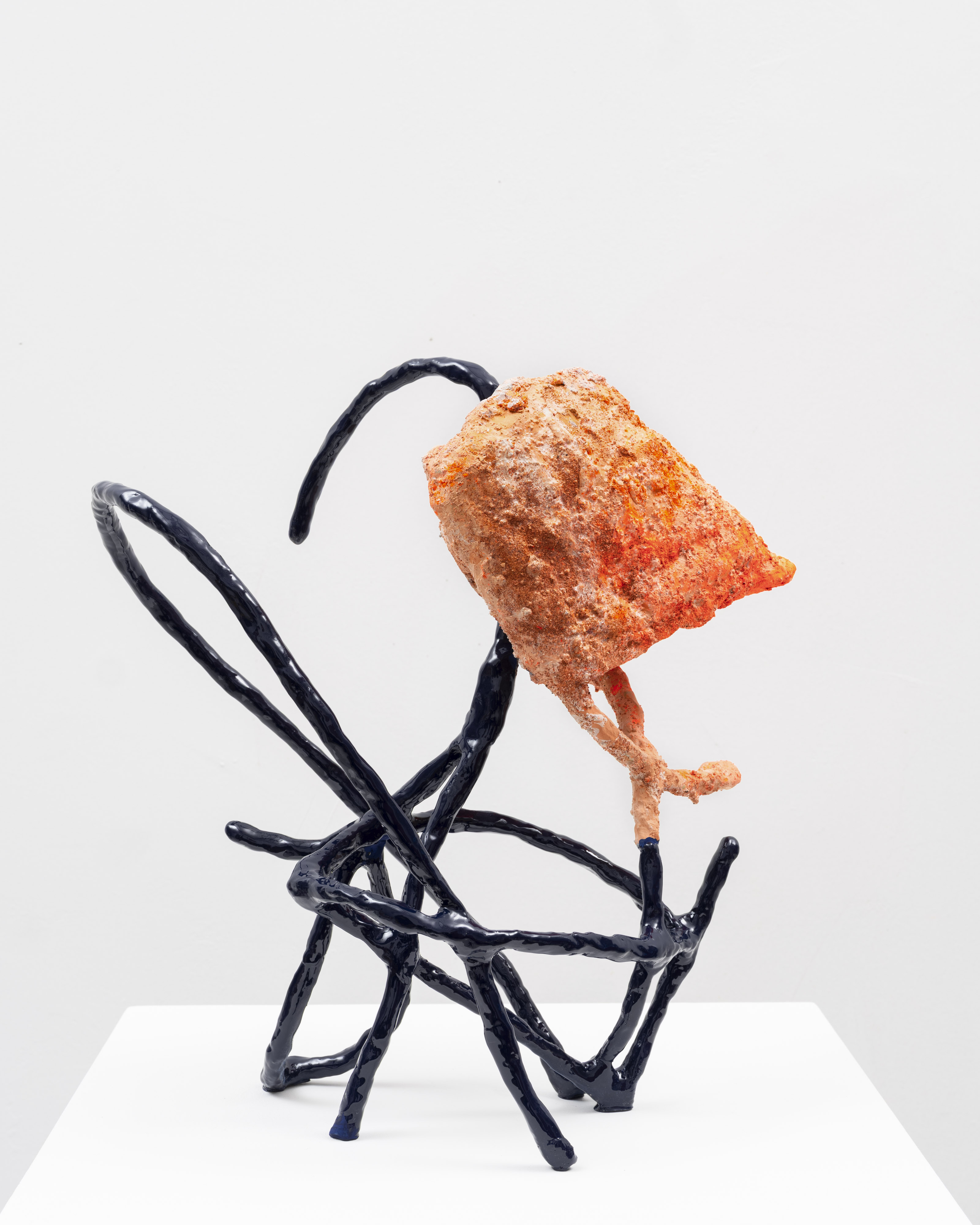
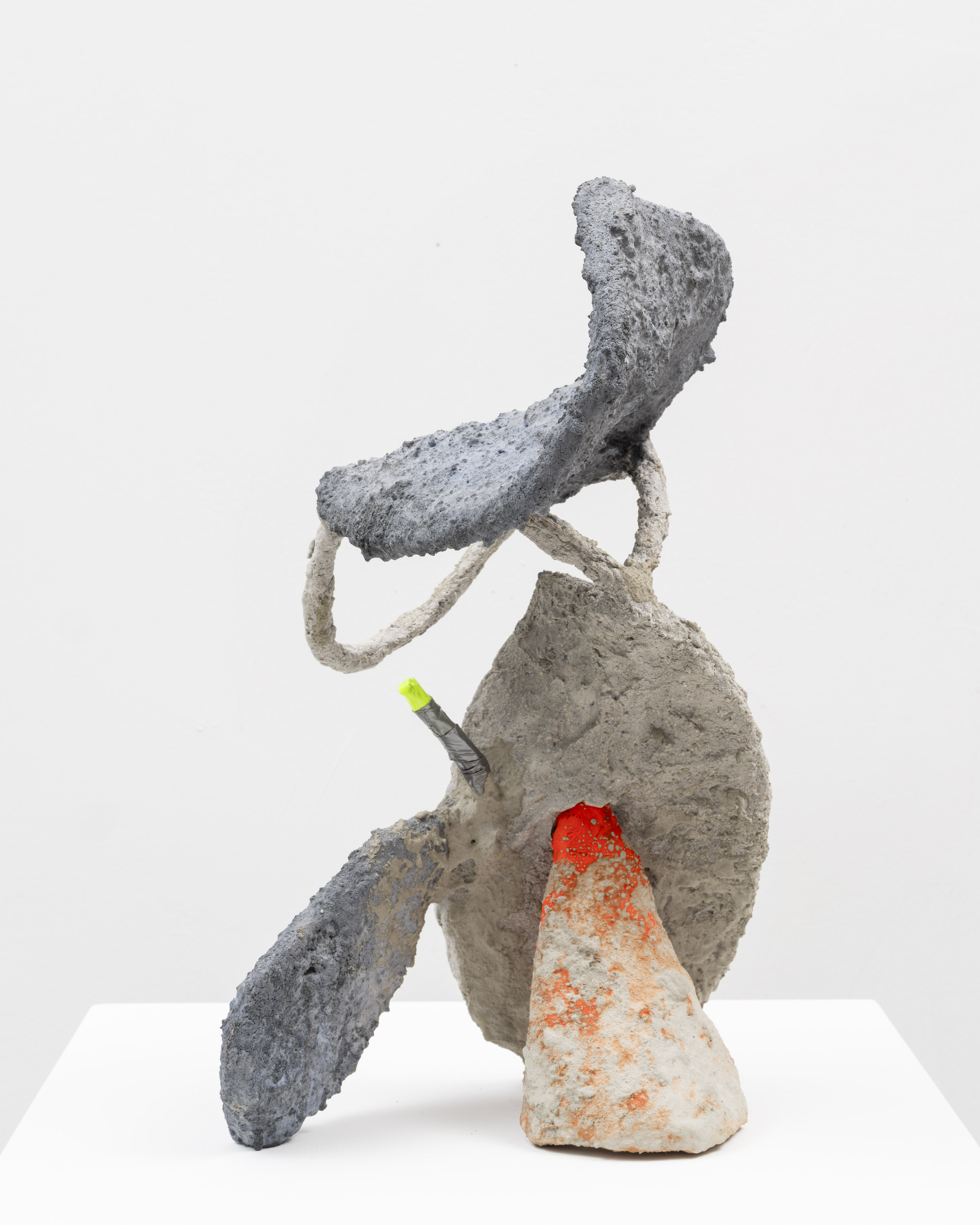
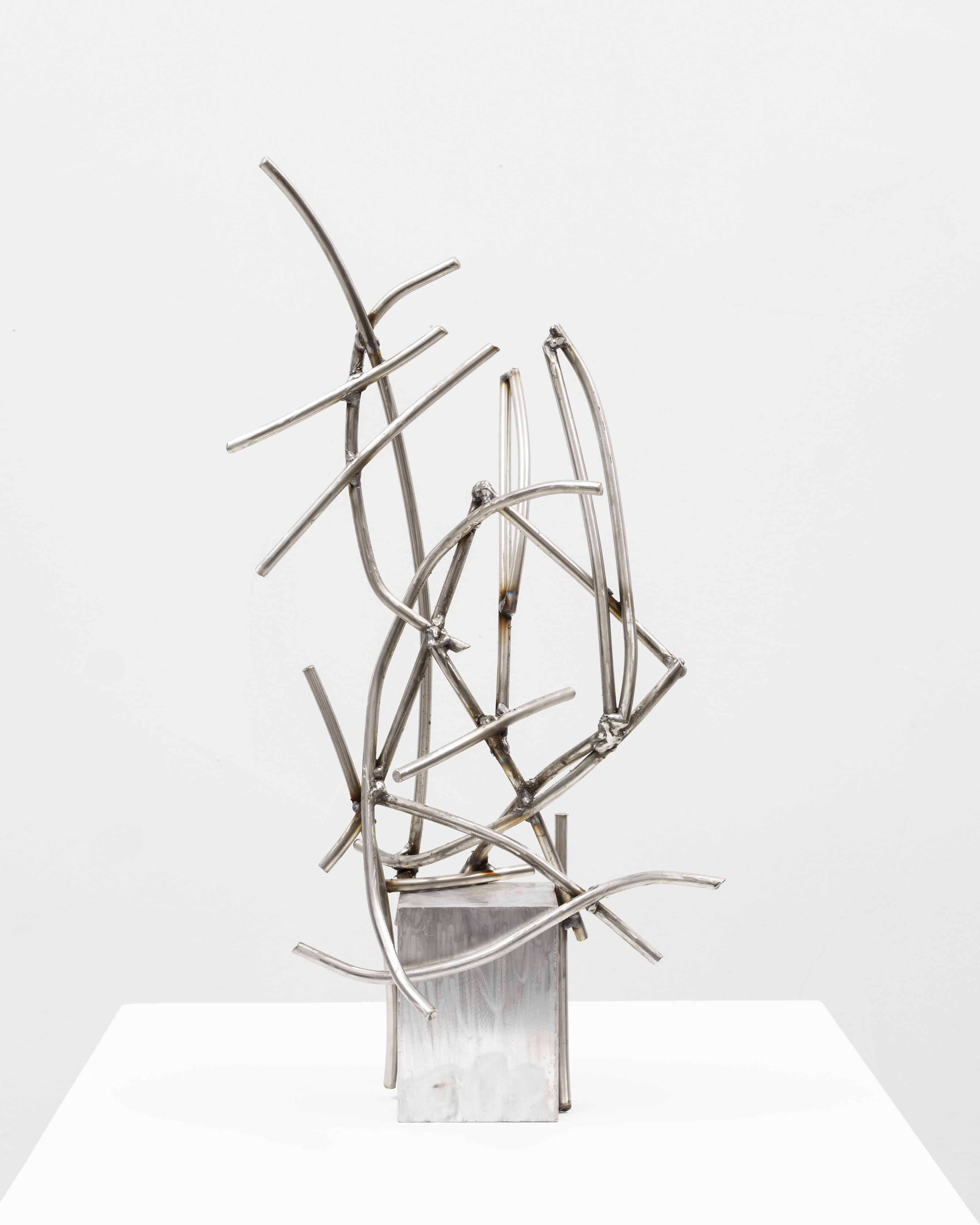
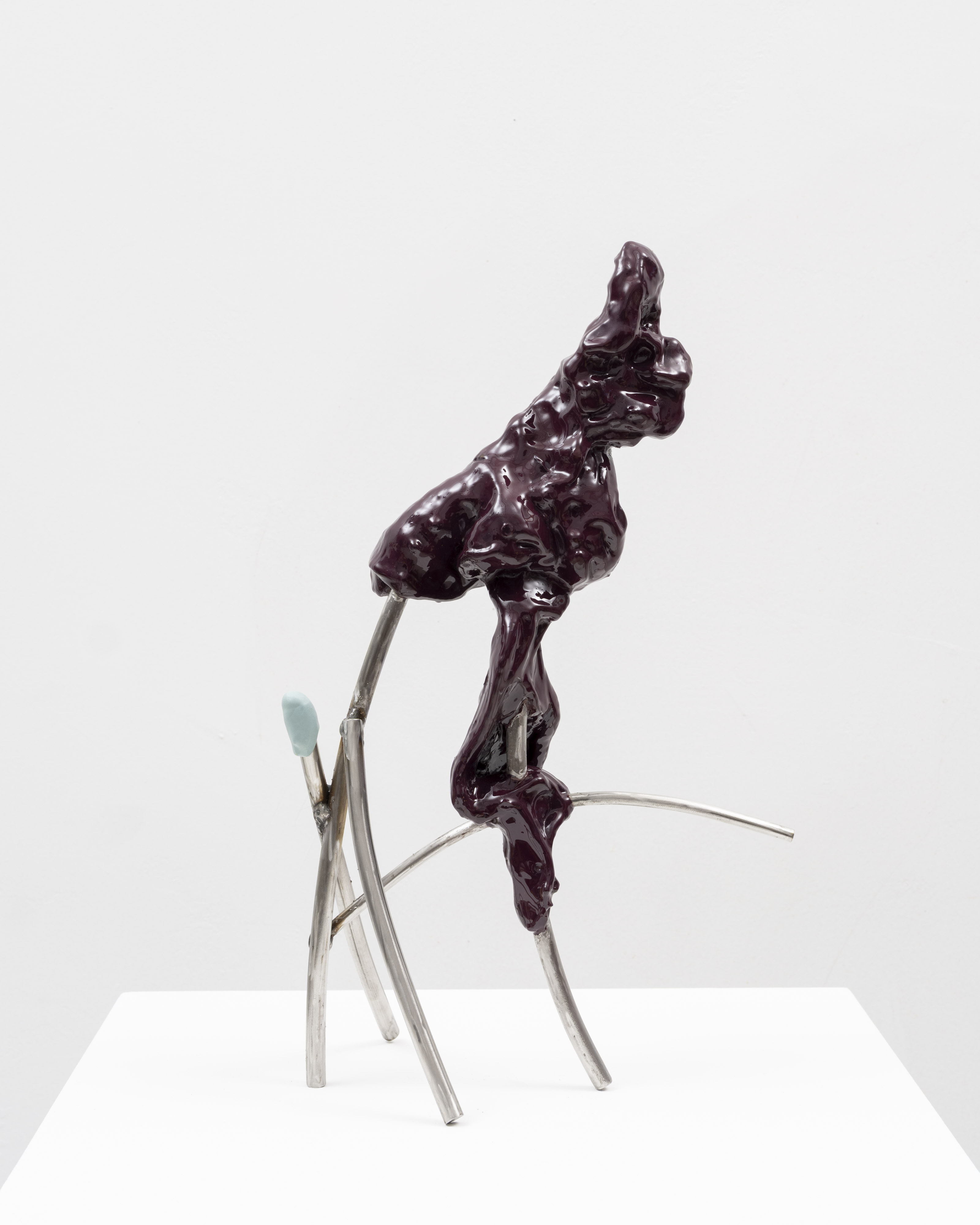
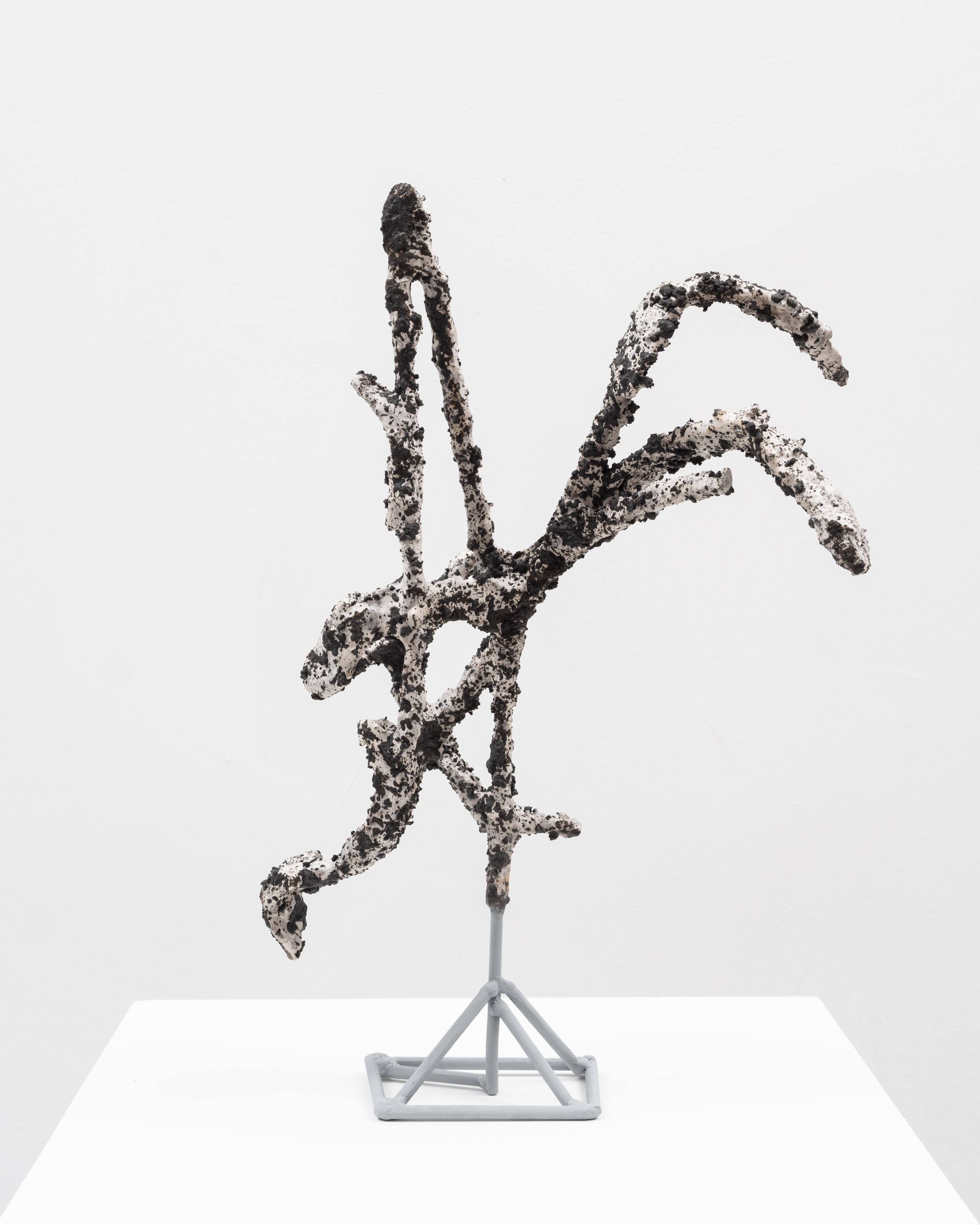
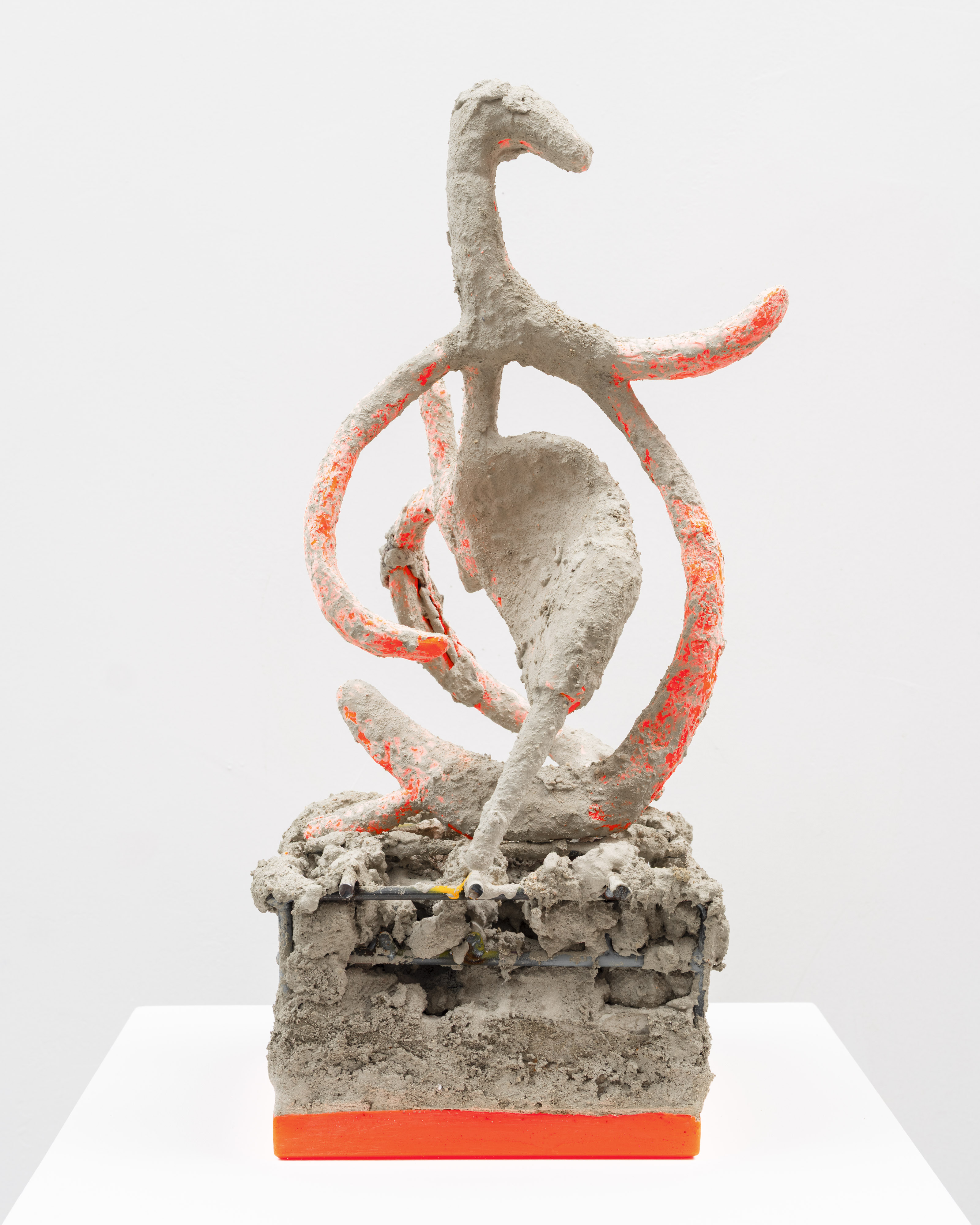
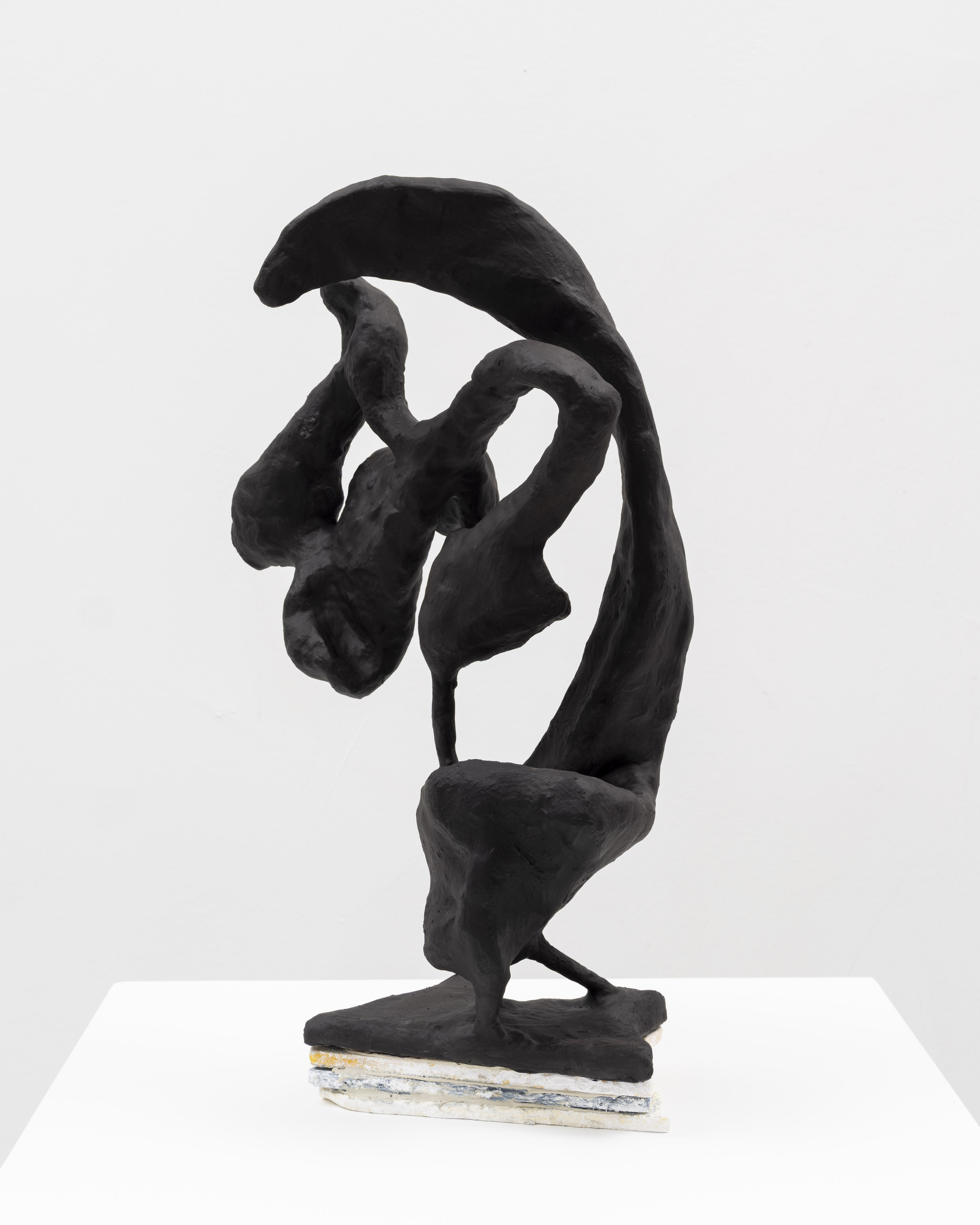
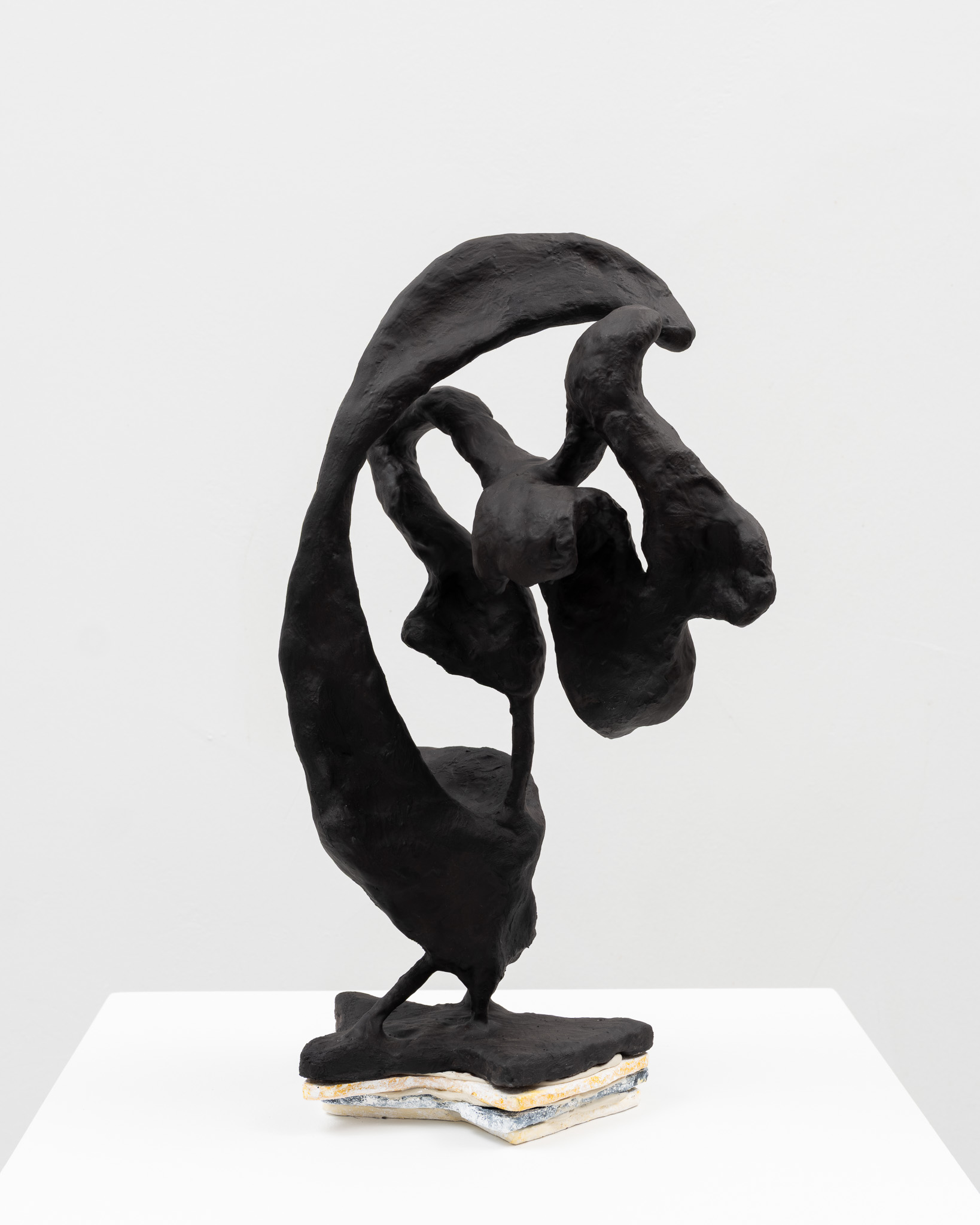
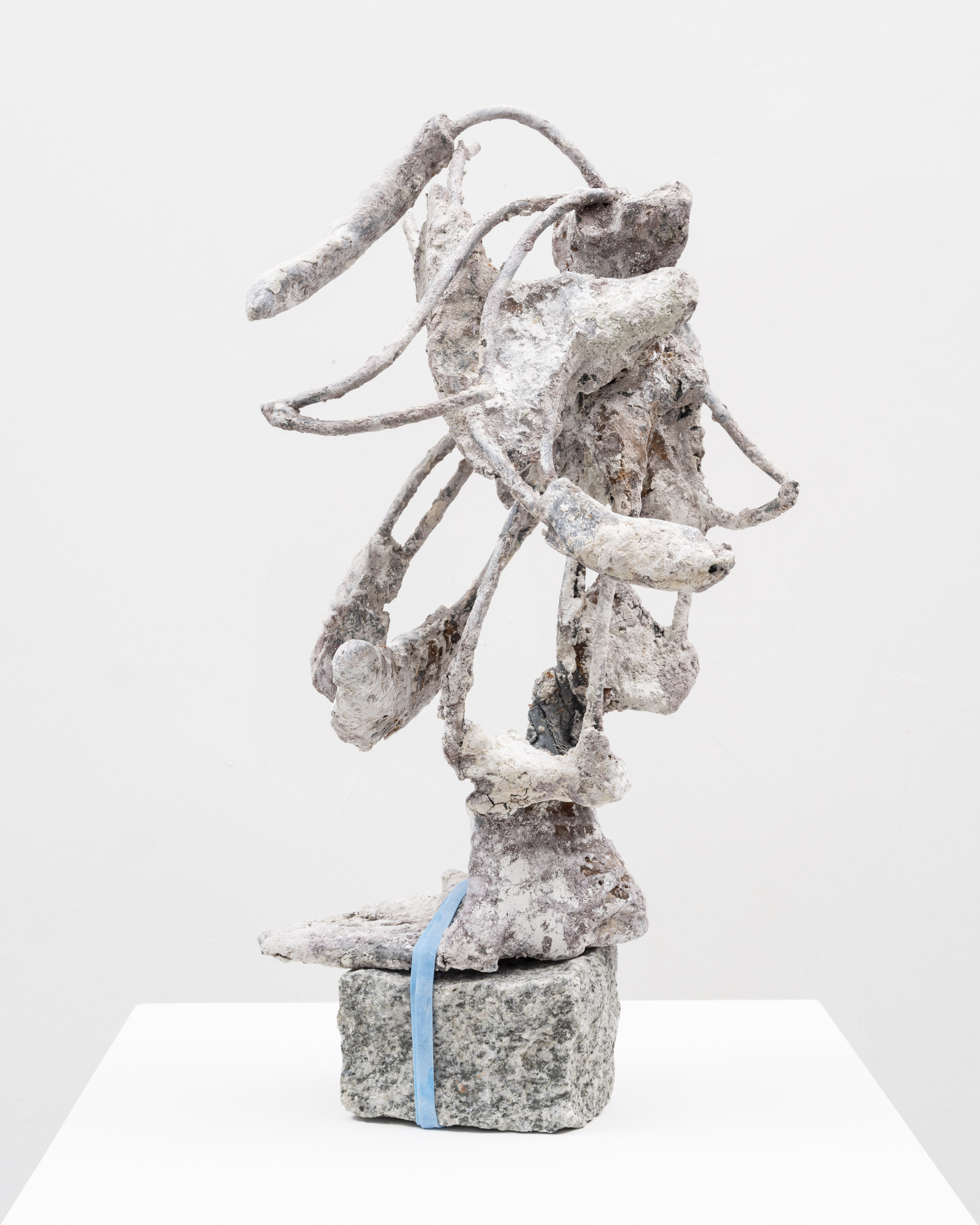
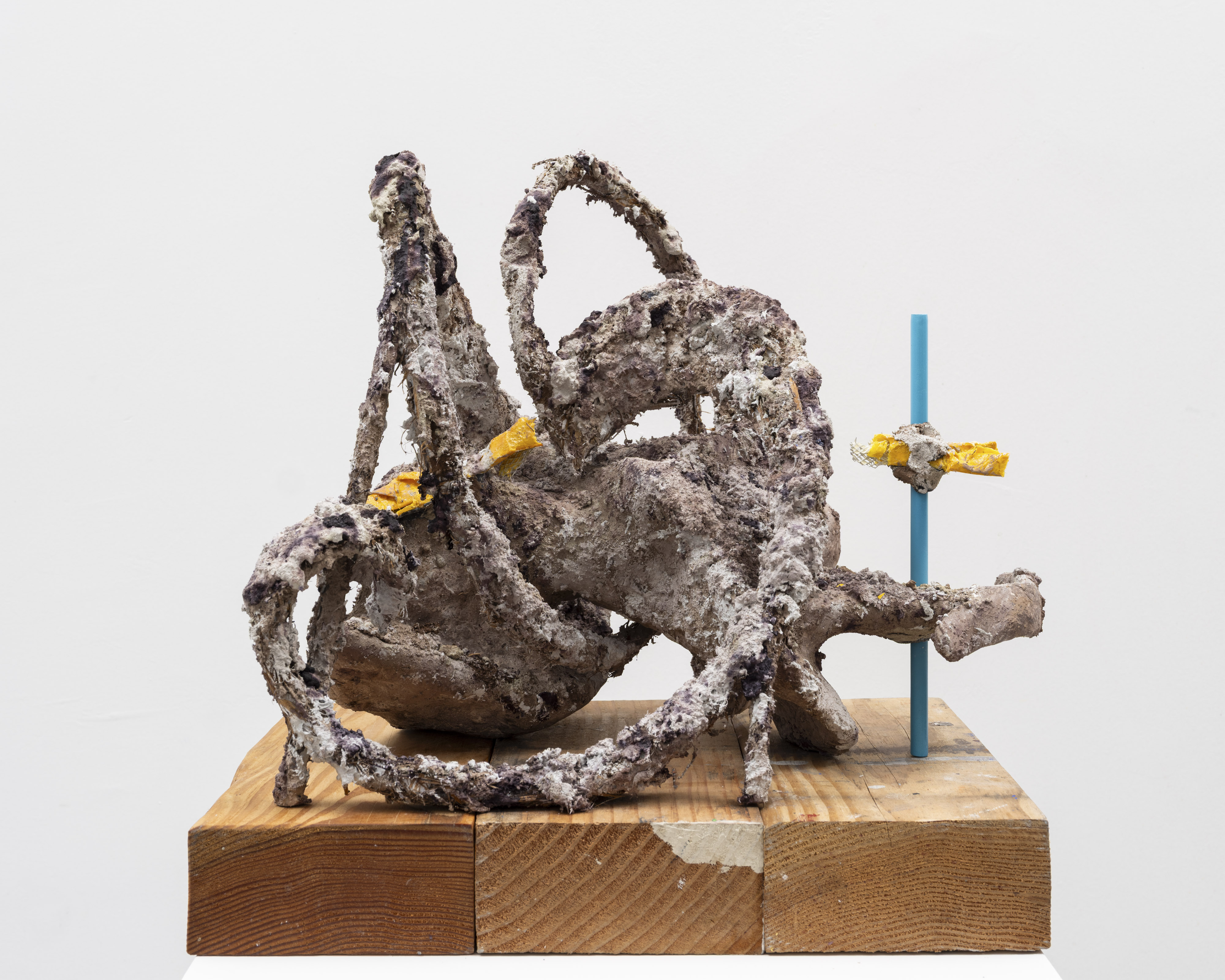
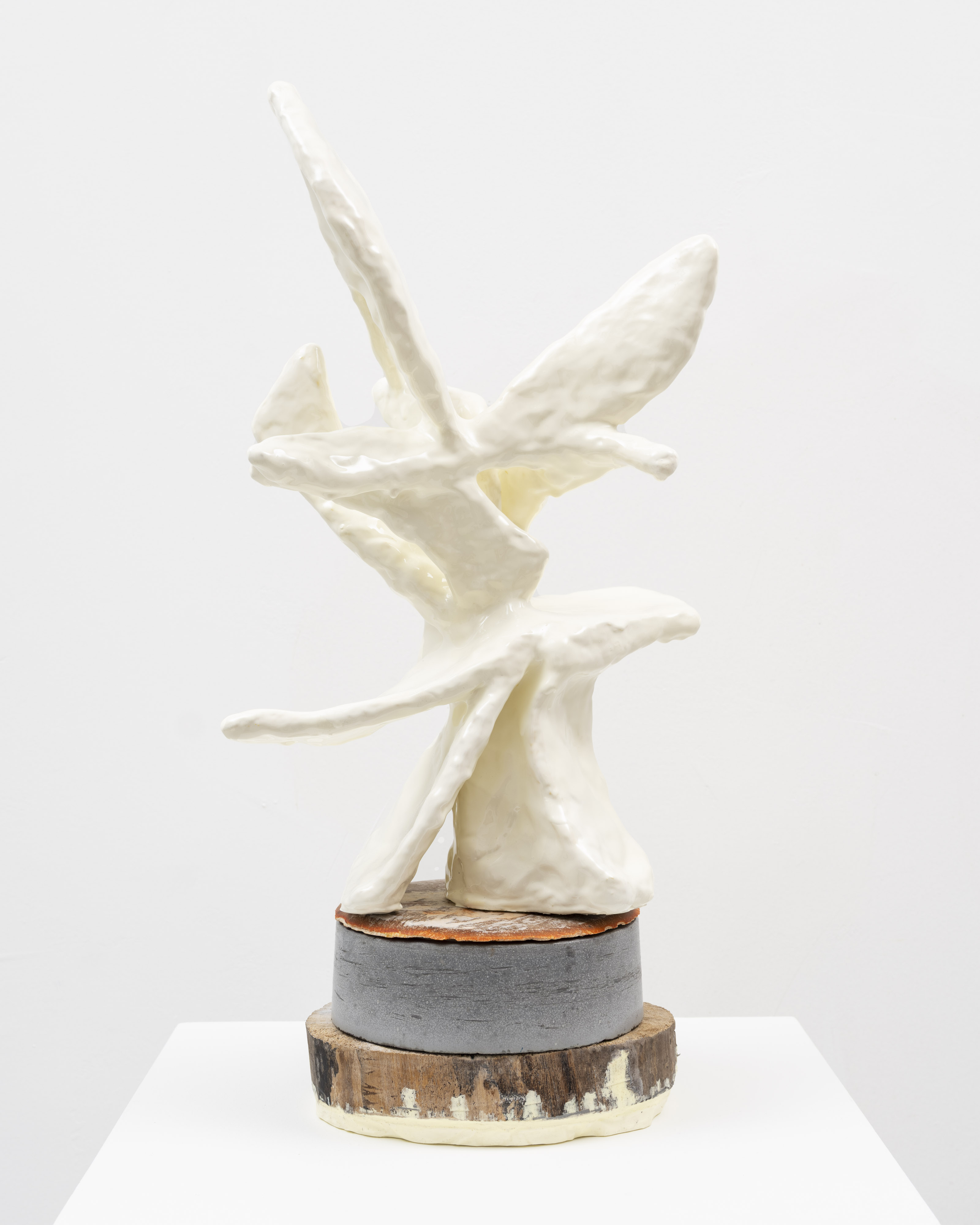
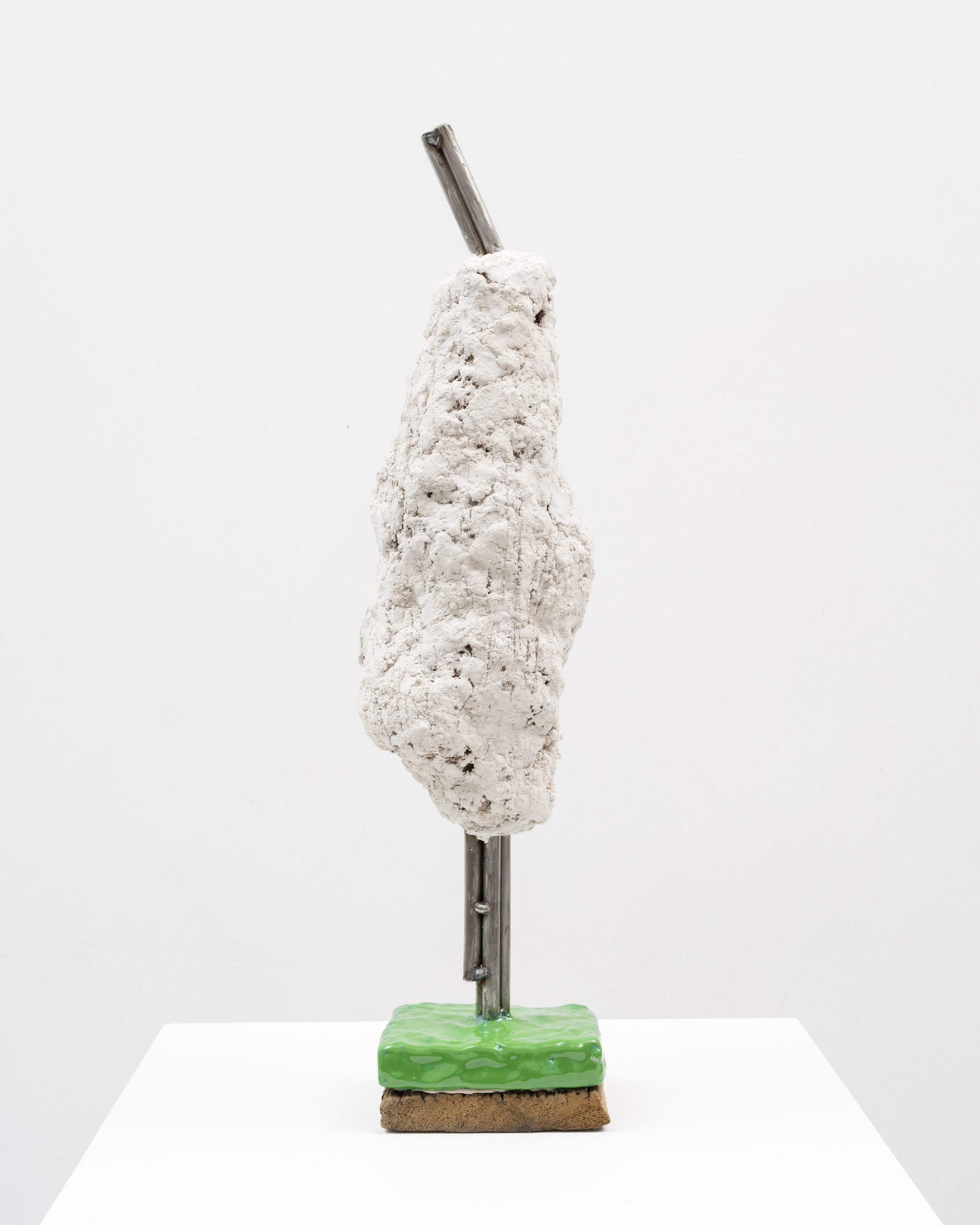
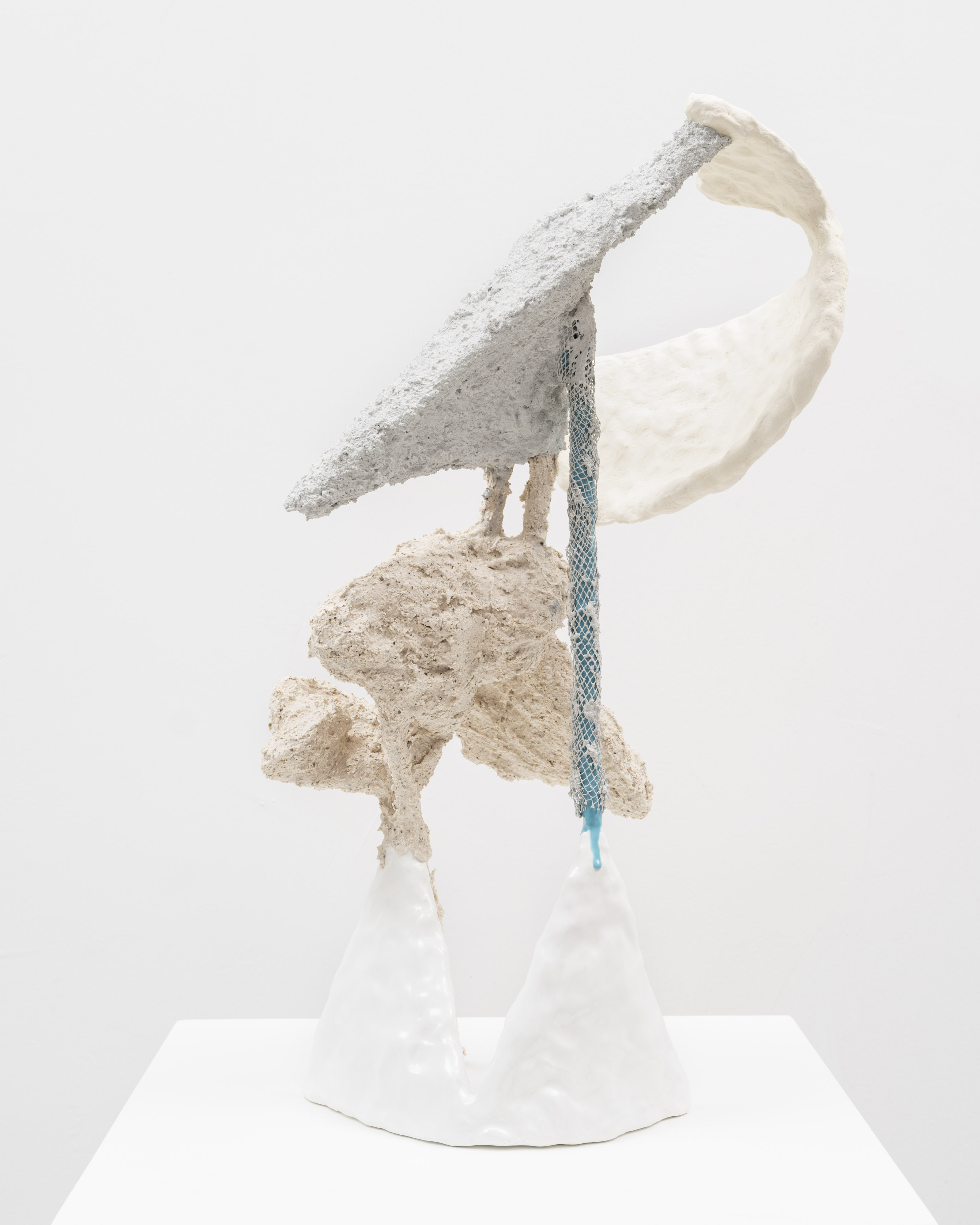
At Art Basel Hong Kong, Nabilah Nordin presents ‘Hot Rod Dilemma’, a suite of sixteen sculptures that read as intimate investigations into how the built environment is made, held and undone. Working from welded steel armatures and epoxy, Nordin constructs forms that reveal the mechanics of support—scaffolding, braces and improvised plinths—while preserving a sense of material vulnerability. Each work is both artefact and moment: a fragment of construction that still remembers the act of being built.
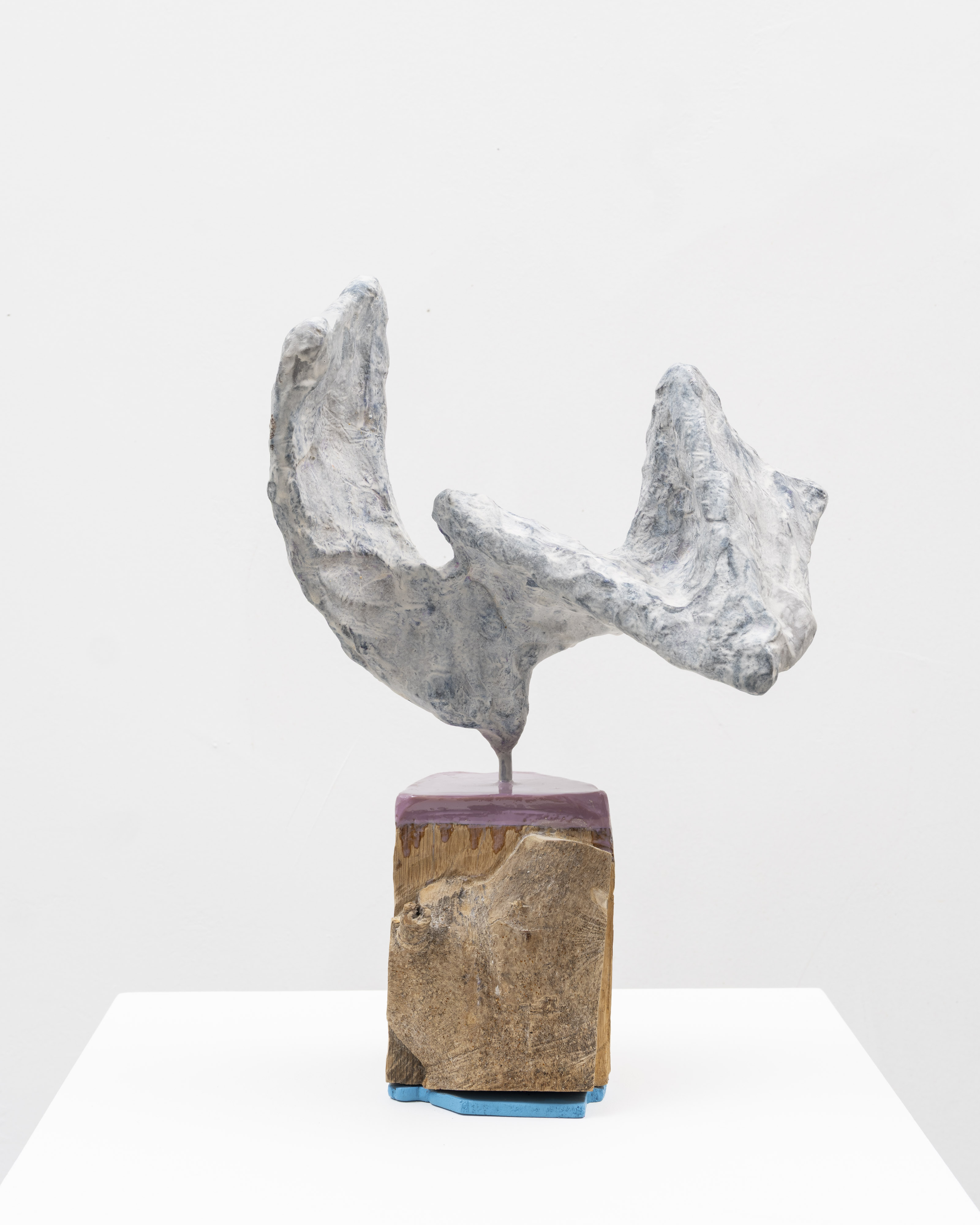
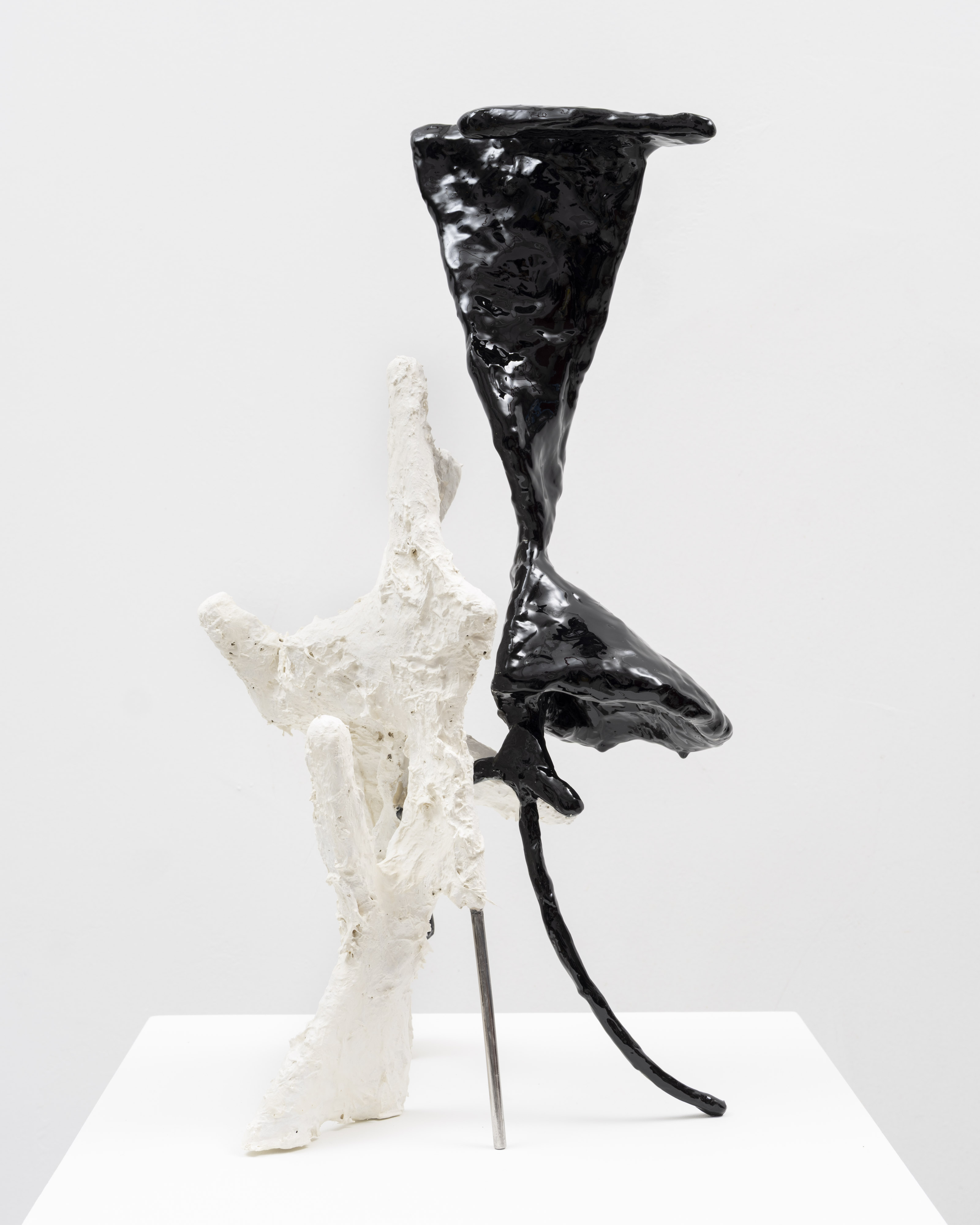
Nordin begins with a structural logic: welded steel frameworks that outline potential weight, tension and collapse. Into these armatures she pours, coats and interrupts with epoxy resins, concrete, sand, granite, wood, scagliola and other materials, producing surfaces that oscillate between polished finish and raw accumulation. The process is deliberate and hands-on. Heat, pressure and gesture leave visible traces, so that seams, drips and tool marks become evidence of a construction under negotiation. Provisional elements such as rubber bands, timber braces and stacked slices of disparate material are not incidental but active devices that test and activate each sculpture’s capacity to stand.
Across the presentation, forms lean, perch and brace against one another as though mid-assembly. Heavy masses sag while their supports insist on keeping them upright; slender rods pierce soft, flesh-like surfaces to probe structural limits. These moments echo everyday urban compromises: a temporary scaffold, an ad-hoc clamp, a hastily patched façade. Nordin makes these gestures visible and legible, turning the language of maintenance and repair into a sculptural grammar.
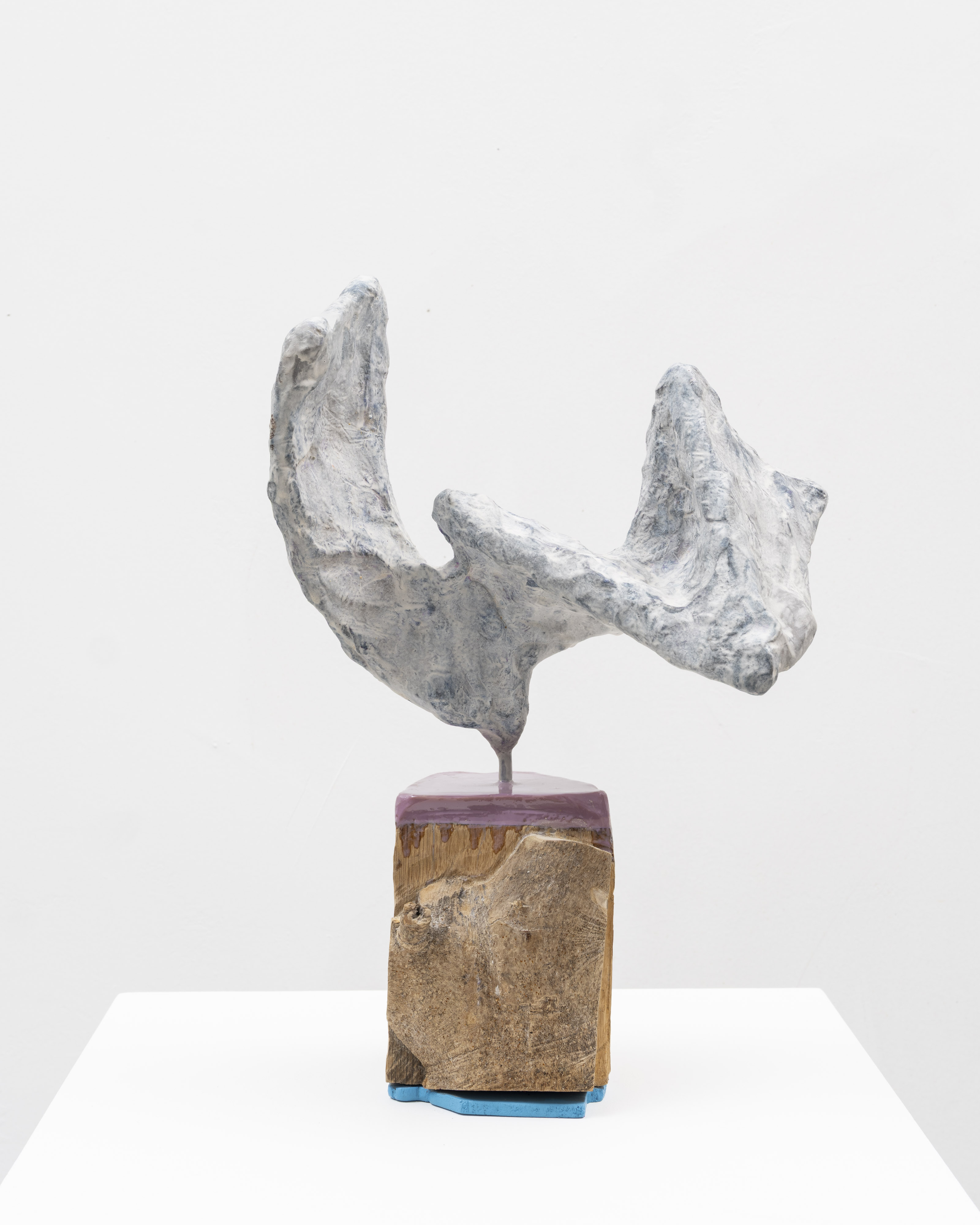
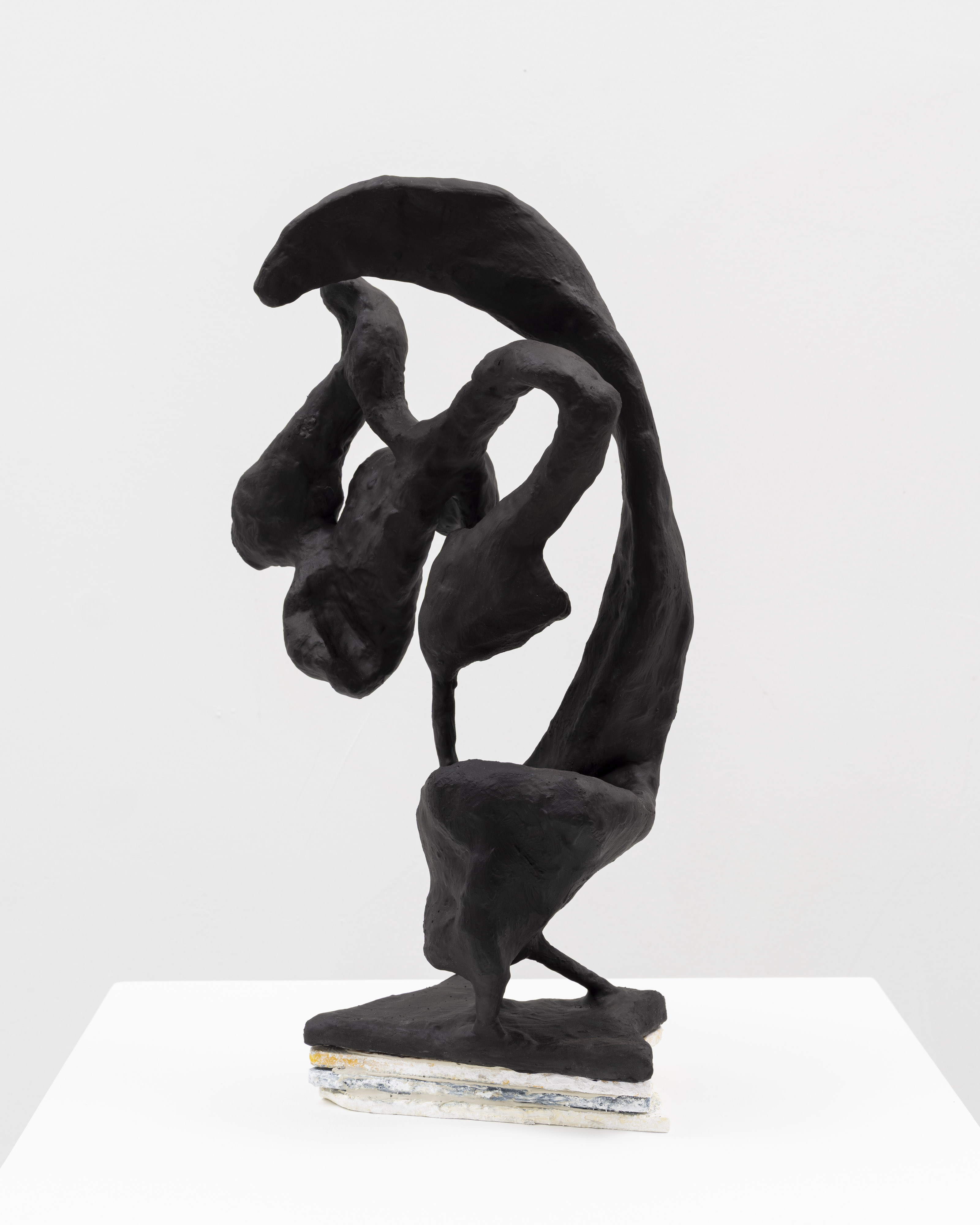
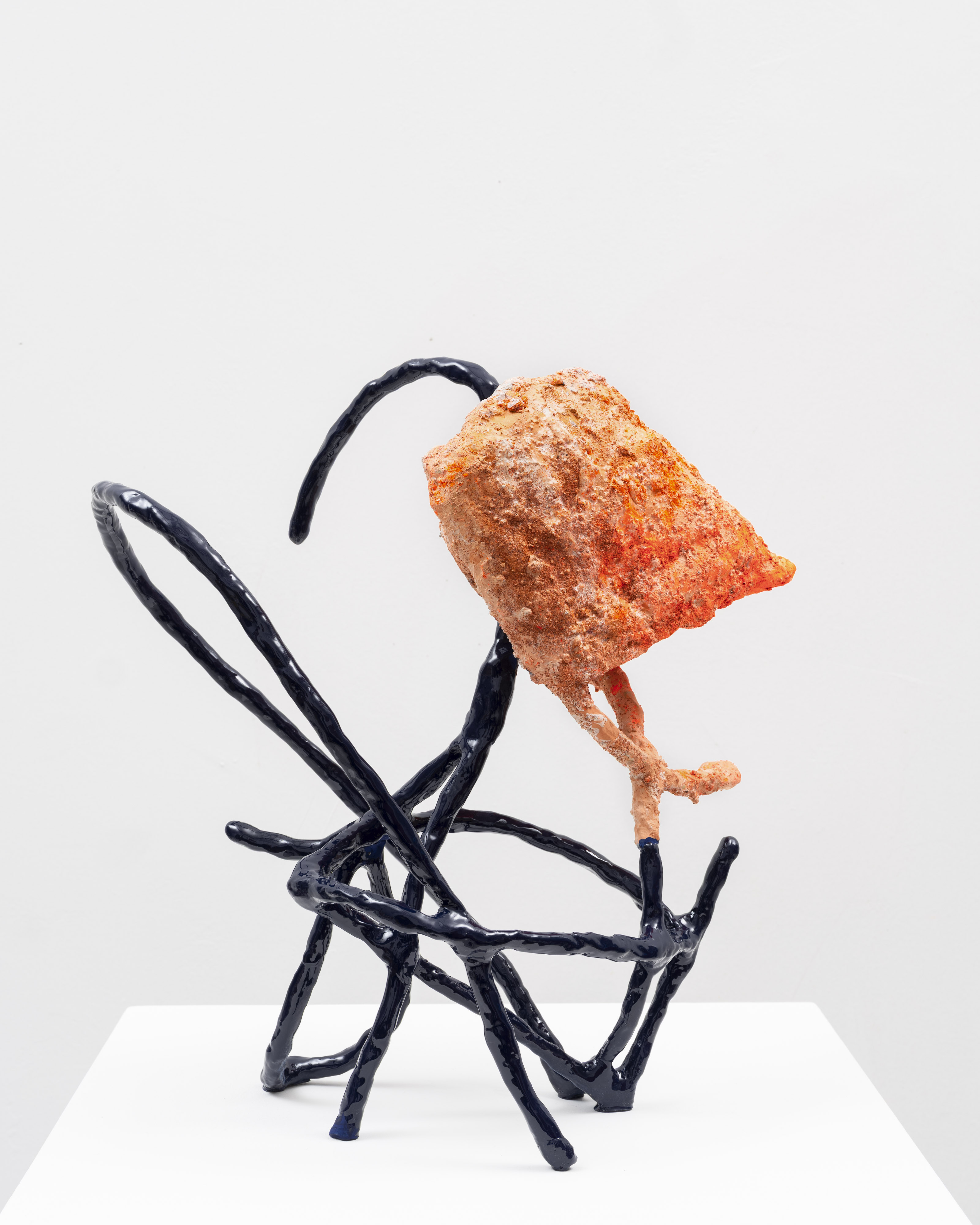
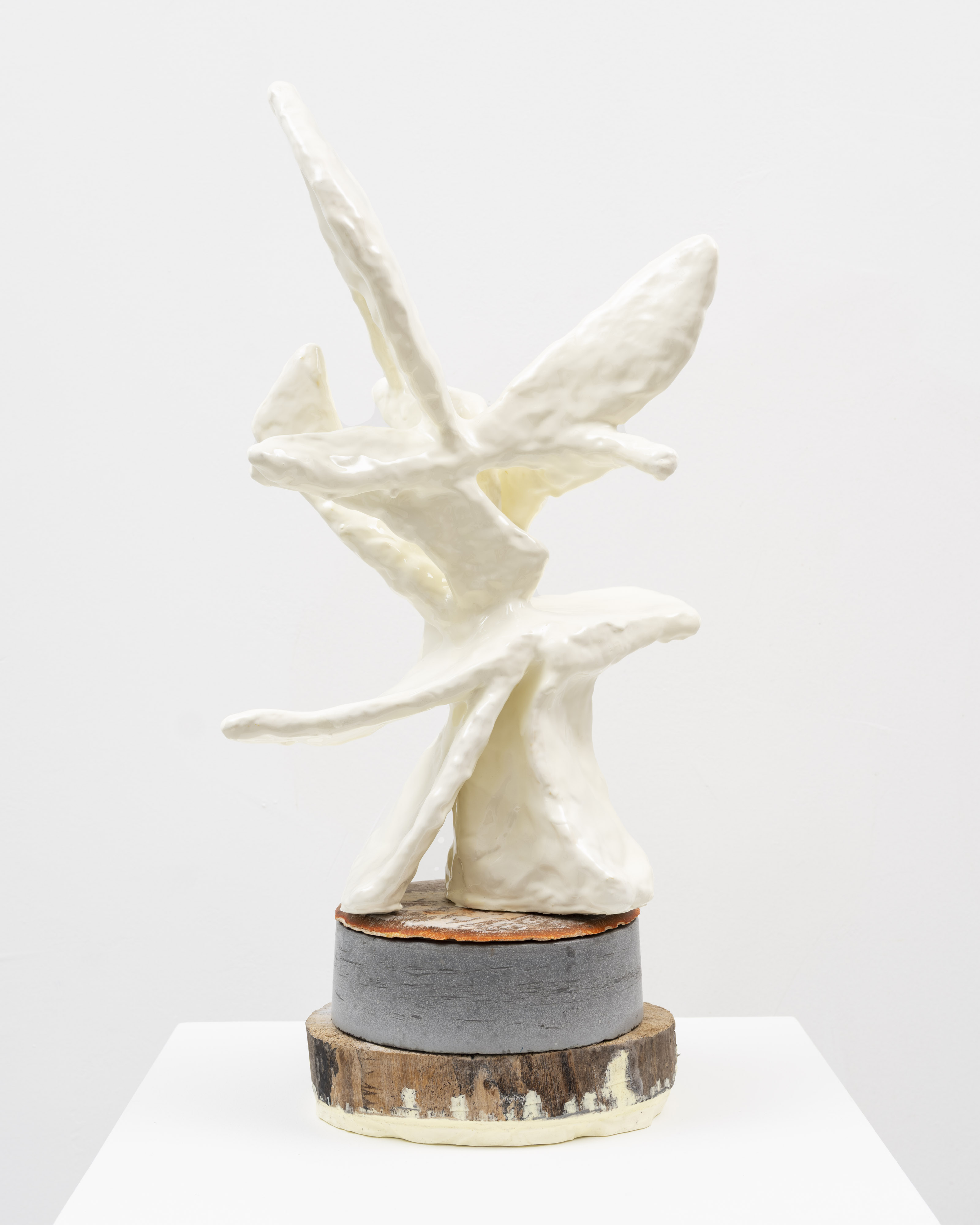
‘Metropolitan’ (2026) compresses civic tension into a hollow resin body whose outward thrust is arrested by a baby-blue rubber band and a granite support—an engineered moment of vulnerability turned tactile. ‘Michelin E-Smoke’ (2026) freezes an exhaled plume into a curling, resilient form, translating atmospheric motion into architectural presence. ‘Gum Rod’ (2026) juxtaposes a spidery stainless-steel lattice with a slumped mass of epoxy that reads like accreted detritus—an image of structure attempting to accommodate excess. ‘Morning Toast’ (2026) plays monumentality off improvisation: a lacquered butter-white form reminiscent of classical sculptural maquettes sits atop a stacked, heterogeneous plinth that subtly undermines its heroic posture. With ‘Metalworker’s Alphabetic’ (2026), Nordin reduces sculpture to its structural bones—welded rods configured as an exposed lattice that reads like an architectural blueprint.
Nordin’s sculptures operate as small systems of negotiation in which propping, counterweight and restraint become performative strategies. Surfaces harden mid-drip, armatures are revealed as the finished gesture, and supports behave like actors within a constructed scene. The result is a body of work that celebrates the provisional mechanics of cities—how they are patched, propped and held together—inviting viewers to witness the scaffolding of both making and meaning. Hot Rod Dilemma foregrounds the tactile, the engineered and the precarious, offering a composed exploration of the urban environment, through its accumulated traces and physical impressions.
Nabilah Nordin’s (b. 1991 Singapore; lives and works in New York City) sculptural practice explores the formal and material possibilities of constructed forms. Her elaborate abstract works interlace calligraphic steel armatures with voluminous masses, producing dense configurations that appear to teeter between balance and collapse.
Beginning with welded steel frameworks, Nordin exaggerates the physical tension of her structures so that they seem to multiply, entangle and destabilise their own supports. Her sculptures frequently appear precarious, propped up with stilts, scaffolds and improvised supports borrowed from the industrial world, interrupting the logic of the organic forms they sustain.
The surfaces of her works are subjected to a wide range of treatments, from 17th-century faux-marble plaster and lime-based techniques to automotive spray paint, oxidising rust finishes and bronze casting. Applied to her contorted structures, these processes generate contradictory visual logics—materials appearing to convulse, soften or calcify in unexpected ways. While her works may initially evoke associations with weathered artefacts, complex machinery or geological formations, such readings dissolve upon closer inspection. Instead, the sculptures invite a visceral encounter grounded in material presence and sensory experience.
Nordin has exhibited widely at museums, biennales and galleries across Australia, Asia and the United States. She has held solo exhibitions at Parrasch Heijnen, Los Angeles; the Australian Embassy, Washington DC; the Art Gallery of New South Wales, Sydney; Neon Parc, Melbourne; and Heide Museum of Modern Art, Melbourne. Her work has also been presented in the Singapore Biennale and Changwon Sculpture Biennale, South Korea.
Her work has been included in group exhibitions at institutions including the National Gallery of Victoria, Melbourne; Bundanon Art Museum; Monash University Museum of Art; McClelland Sculpture Park and Gallery; Murray Art Museum Albury; and La Loma, Los Angeles. Nordin completed a Master of Contemporary Art at the Victorian College of the Arts in 2015 and a Bachelor of Fine Arts at RMIT University in 2013.
Nordin’s work is held in the collections of the Art Gallery of New South Wales, Sydney; National Gallery of Victoria, Melbourne; Monash University Museum of Art, Melbourne; MIIA Collection, as well as in private collections in Australia and internationally.