(Enter)

Neon Parc acknowledges the Wurundjeri Woi Wurrung and Bunurong Boon Wurrung as the Traditional Owners and sovereign custodians of the Country on which we operate. We pay our deepest respects to their Elders past and present. Always was, always will be Aboriginal land.

Neon Parc

Menu Close
Exhibitions Artists Offsite News Visit Shop
(close)
Moya McKenna
‘Picture in a window’
Brunswick
31 Jul.–5 Sep.
2026

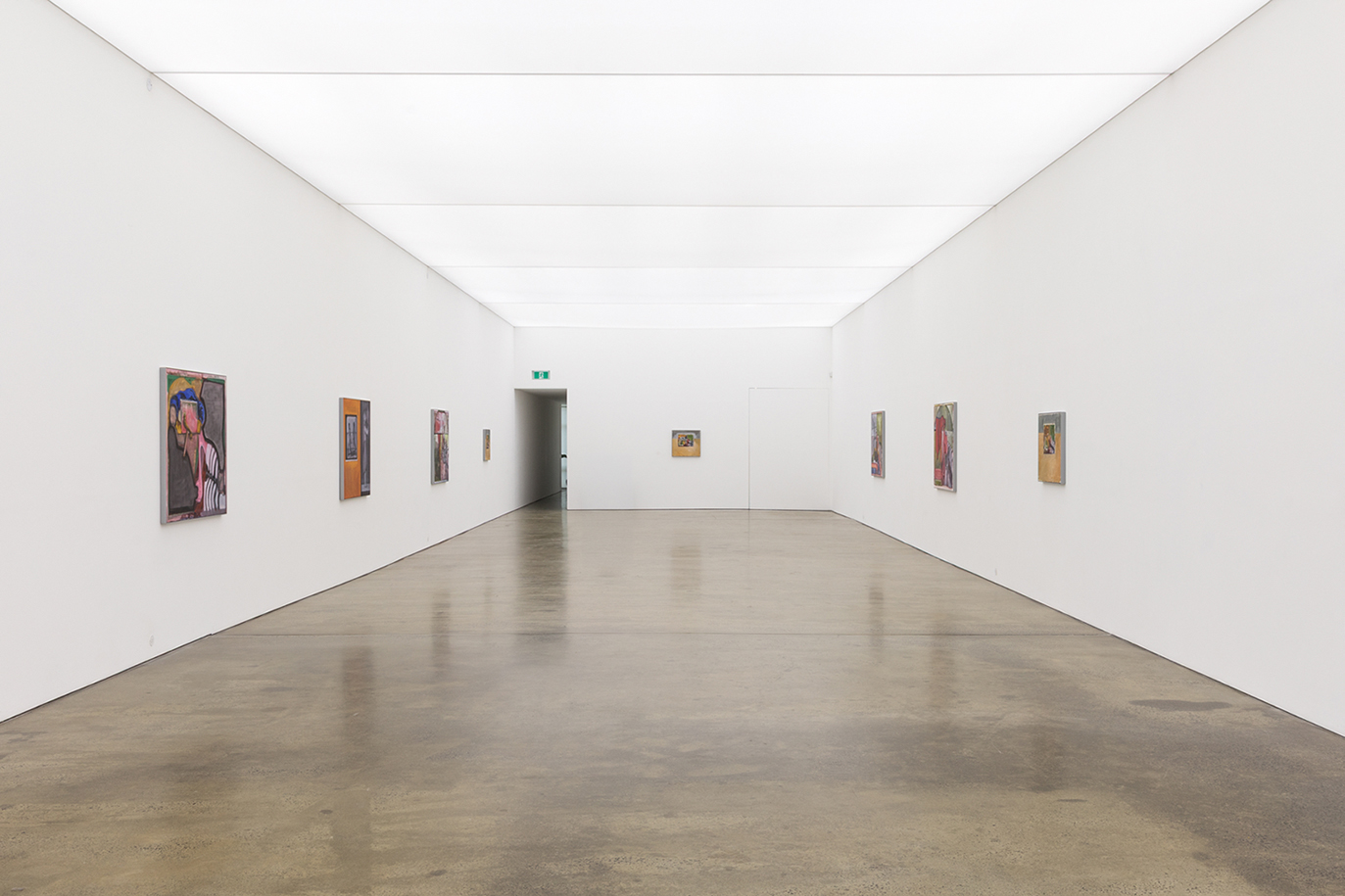
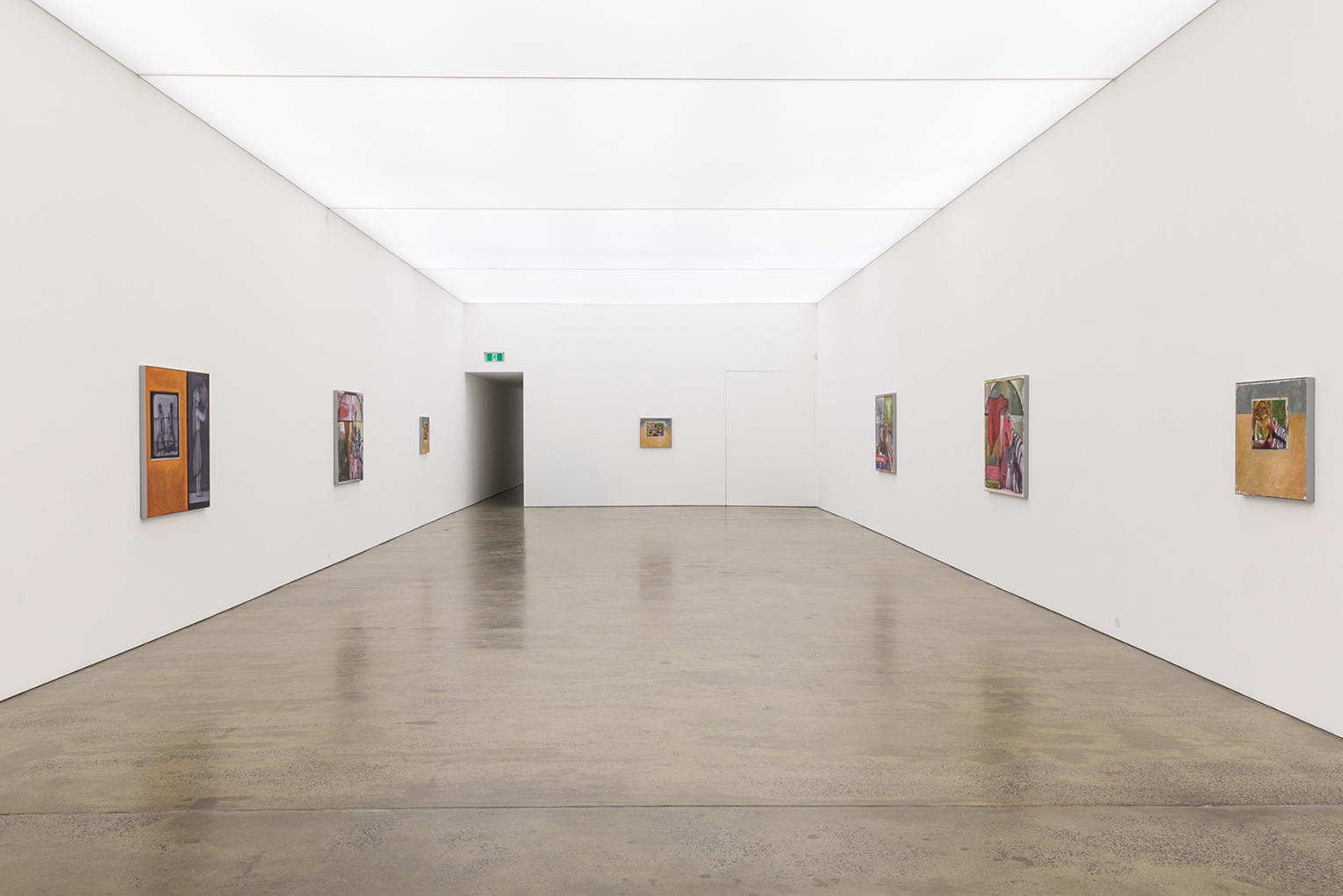
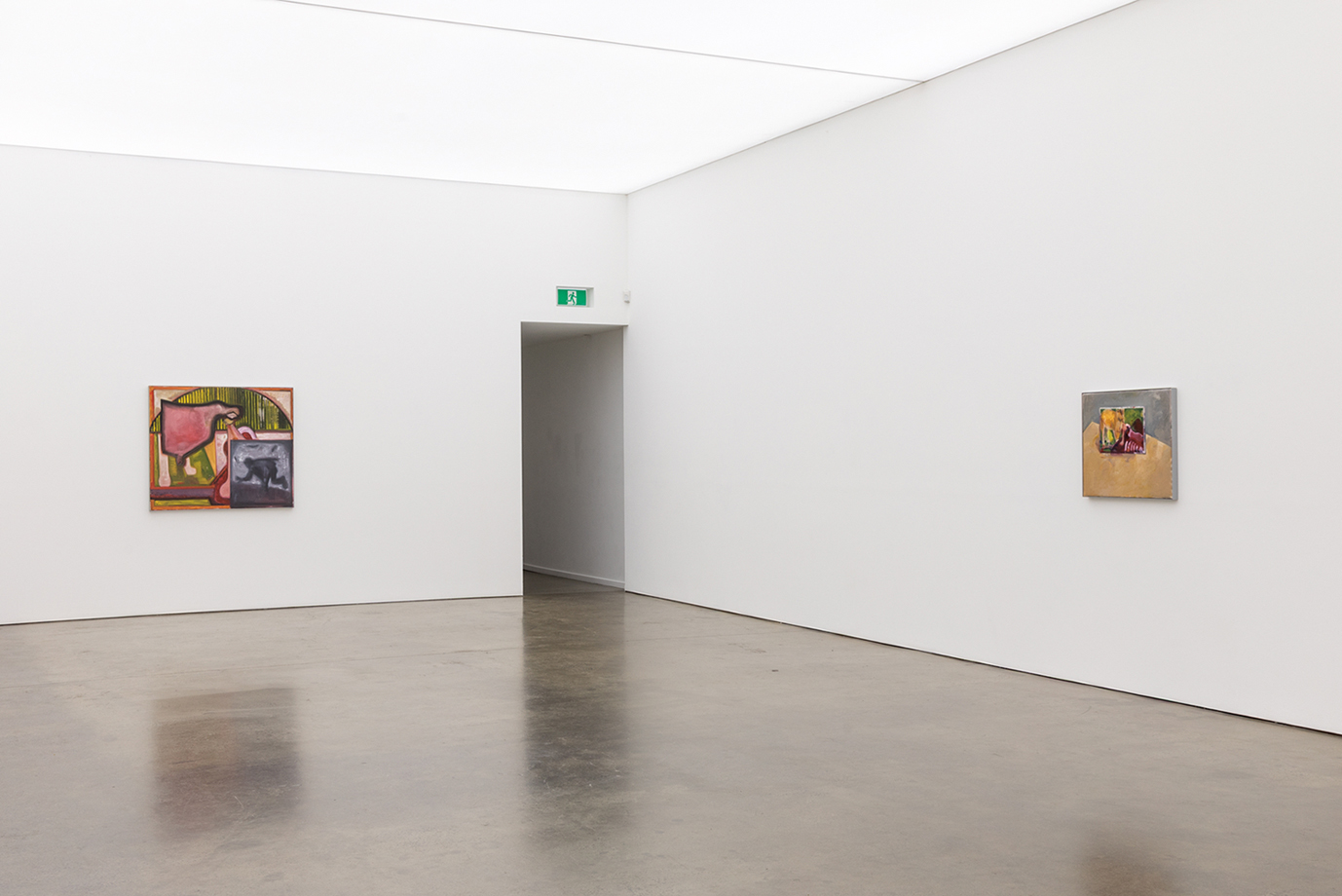
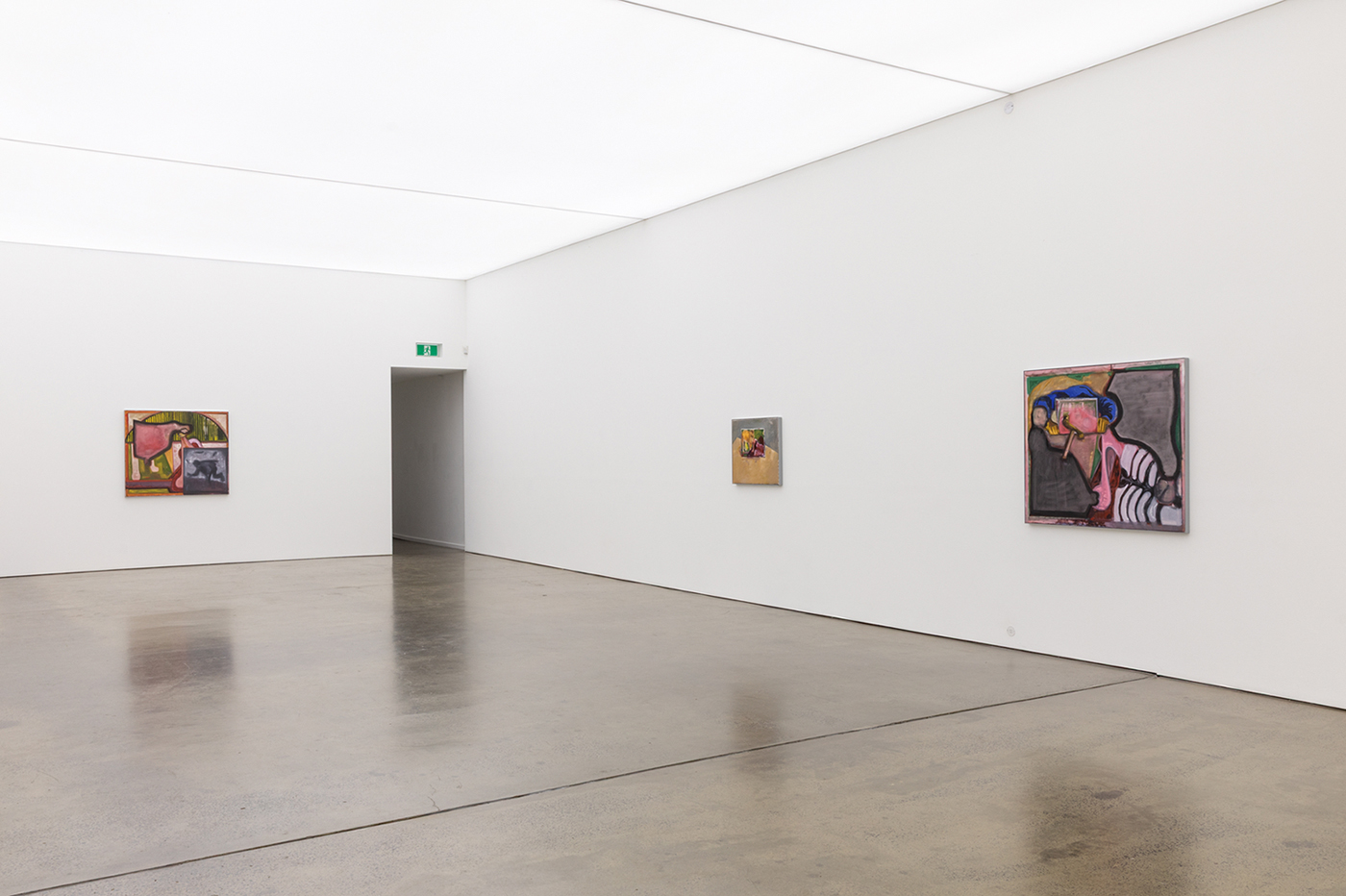
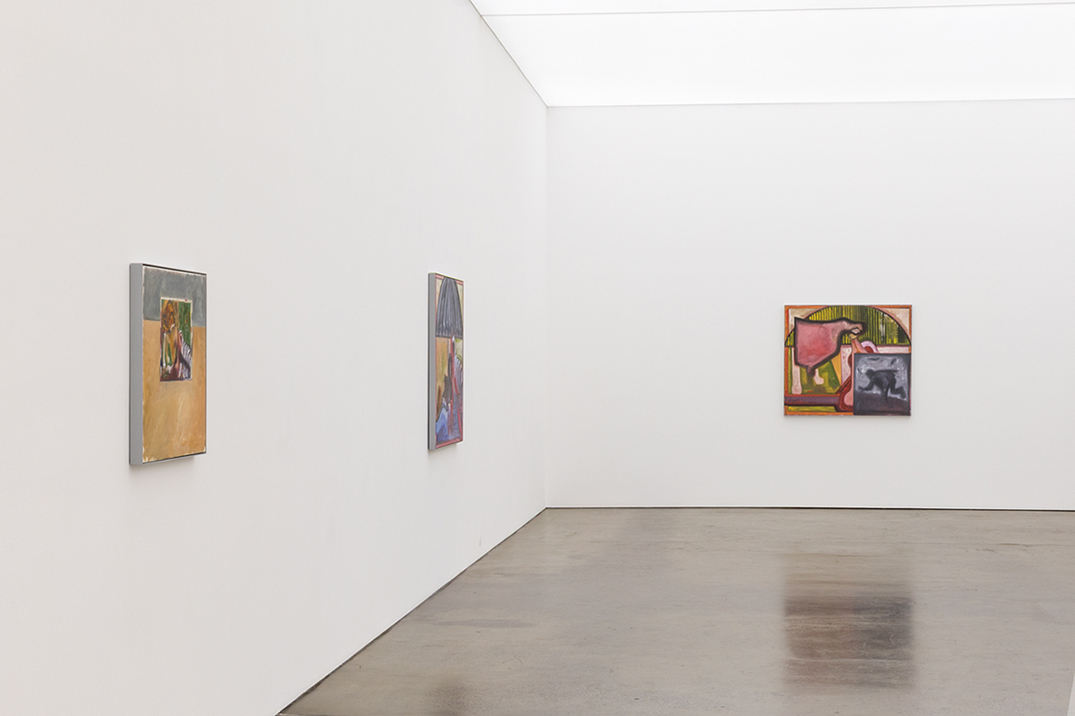
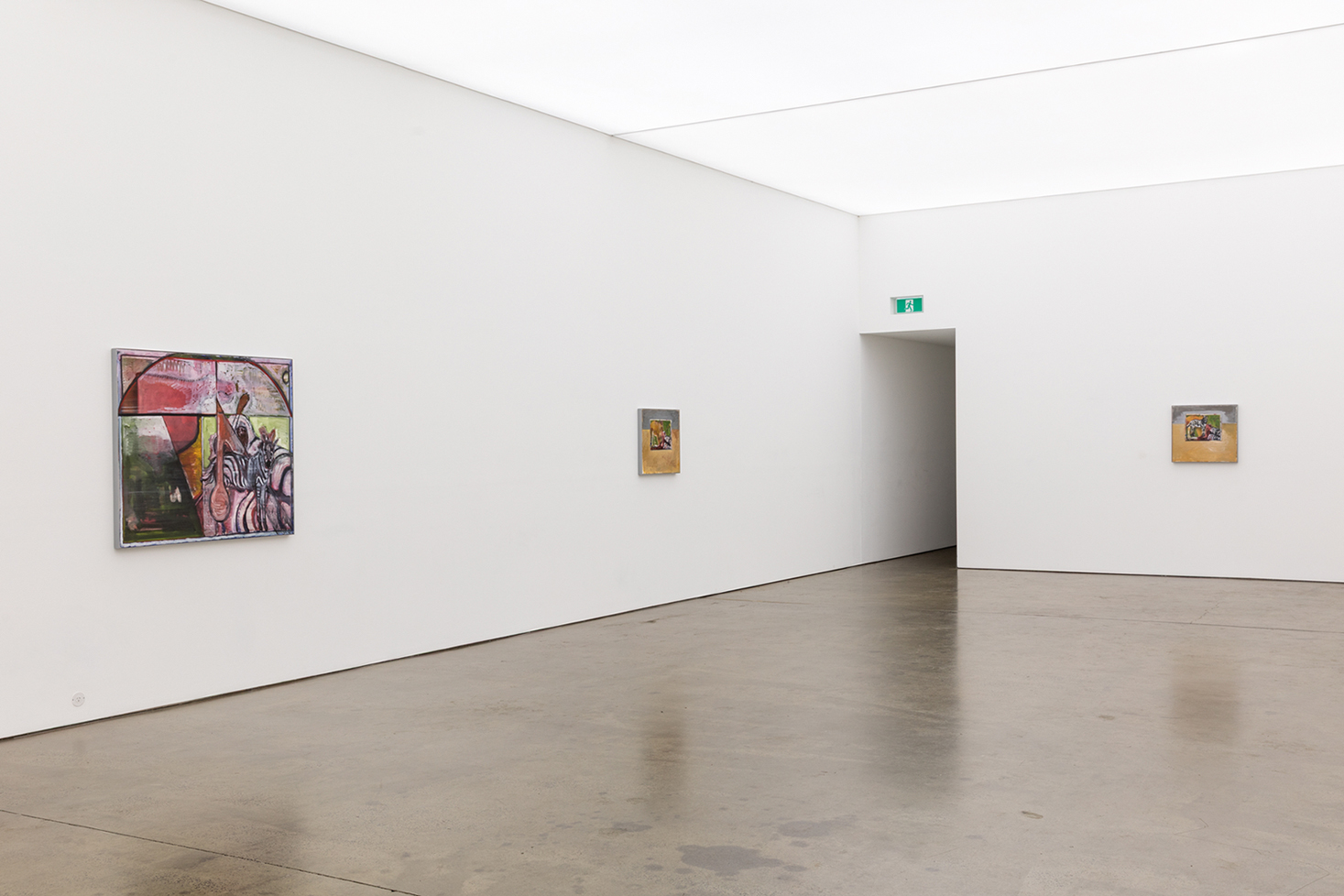
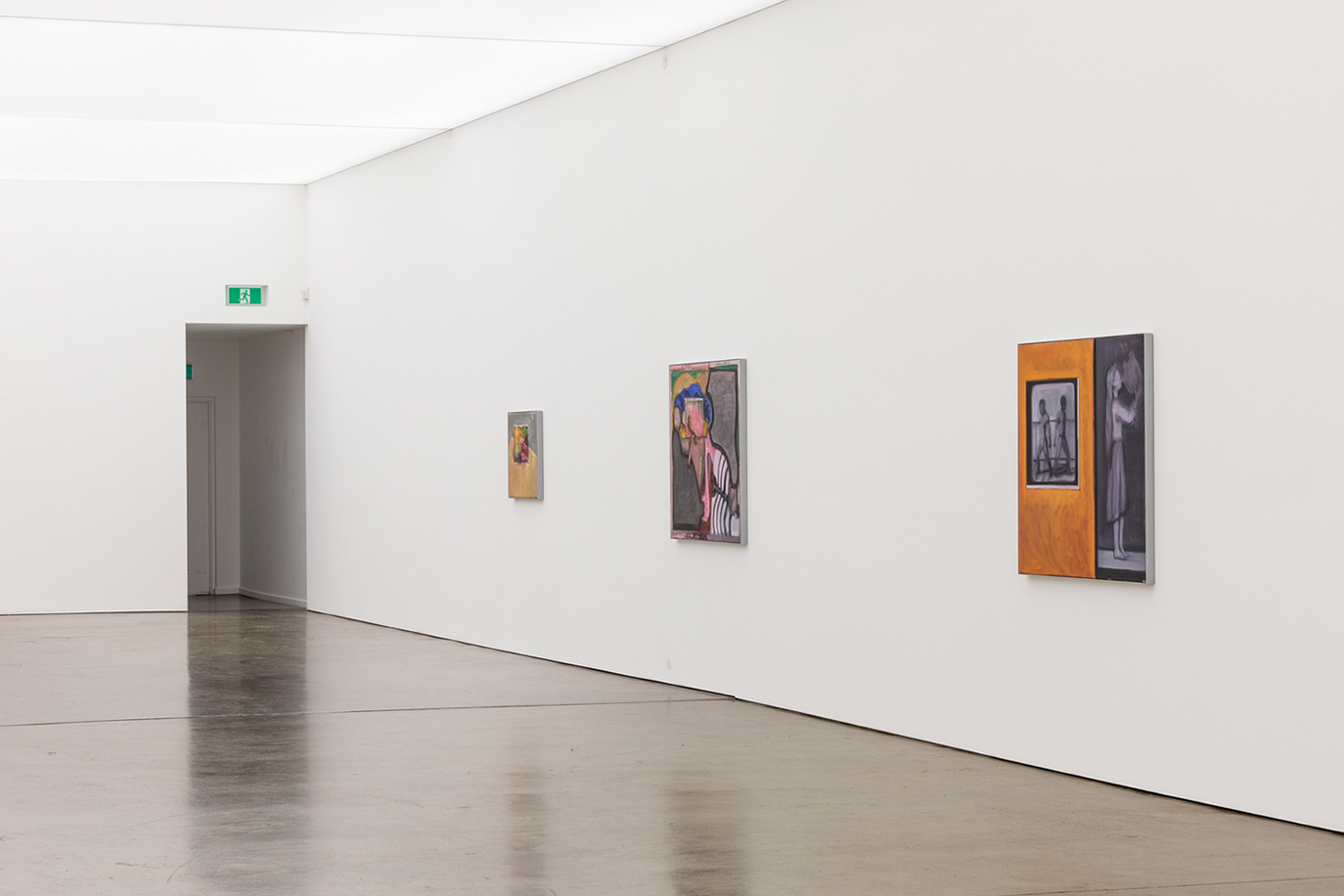
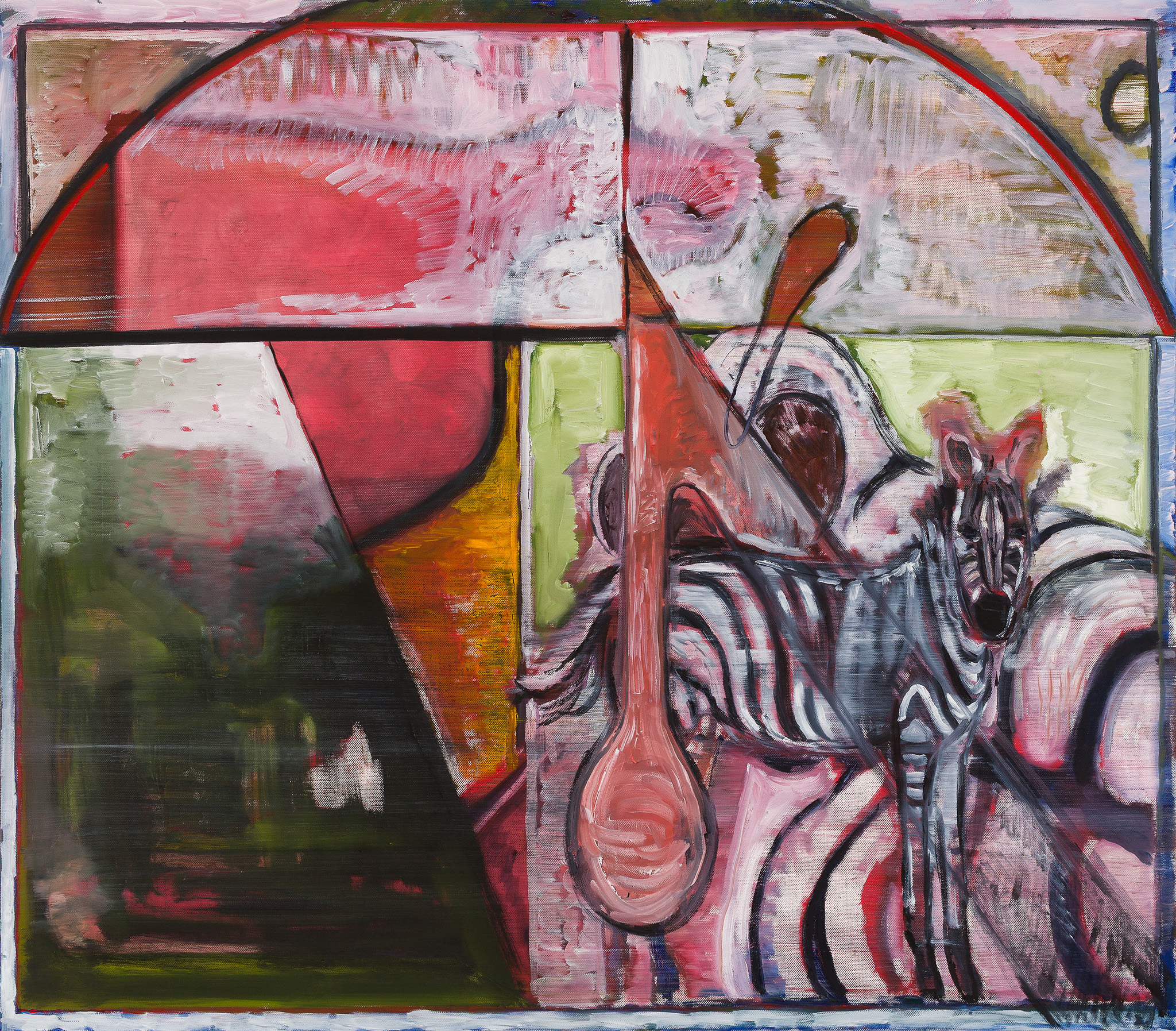
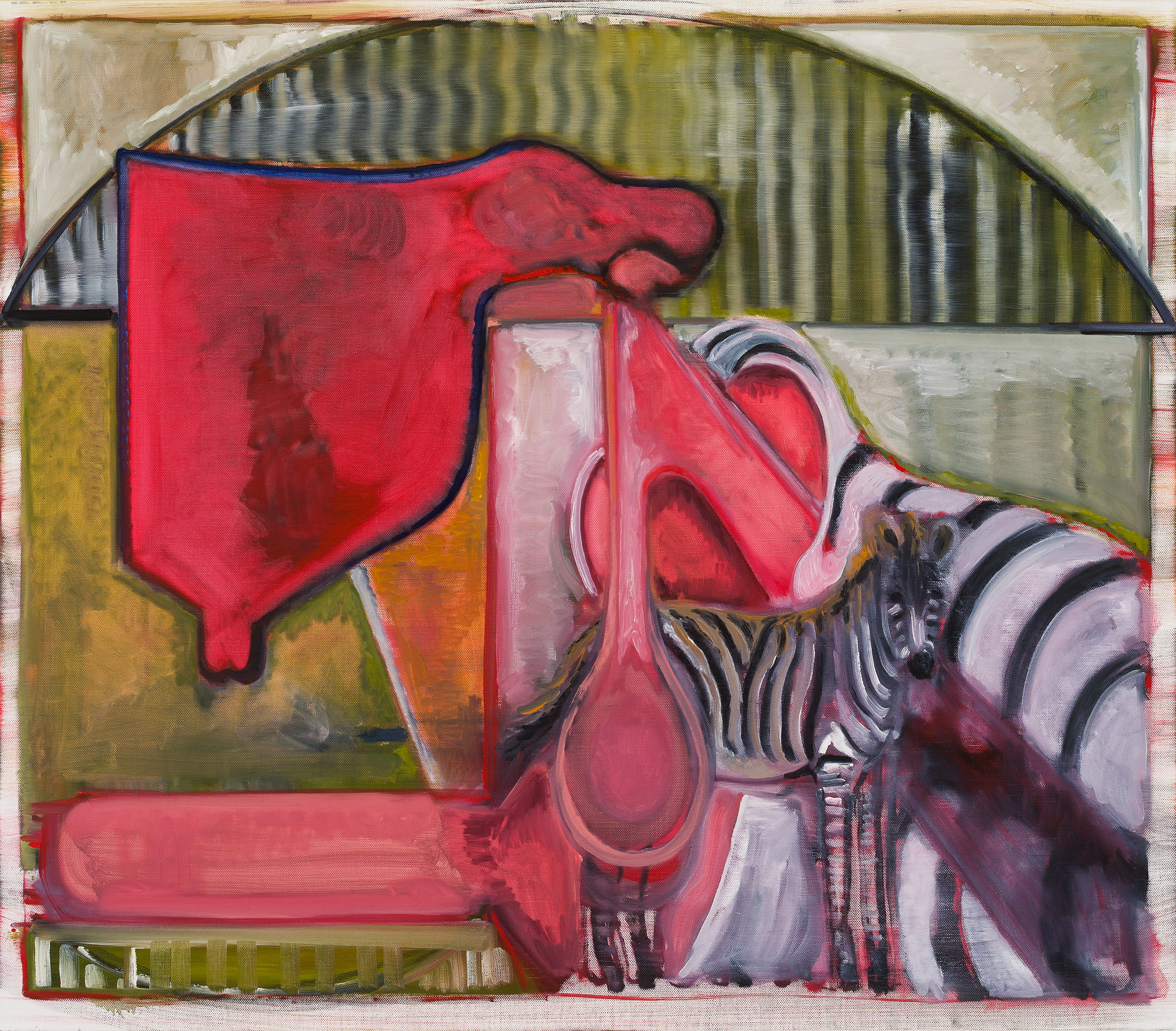
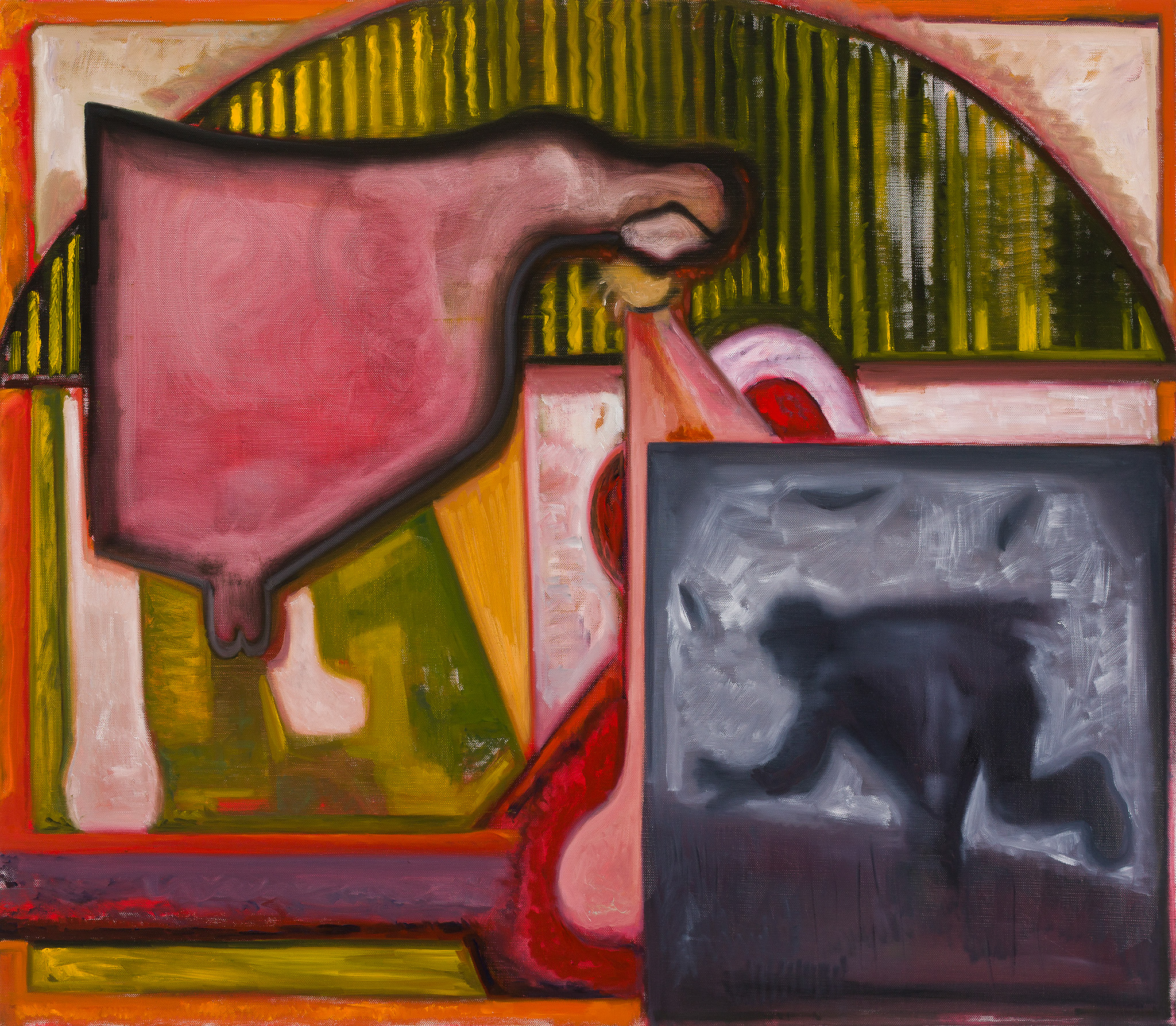
For over two decades, Moya McKenna has developed a painting practice built around recurring images, objects and personal references. Photographs, fragments from art history and everyday materials circulate across her paintings, where familiar motifs gather into a distinct tableau that continues to shift with each body of work.

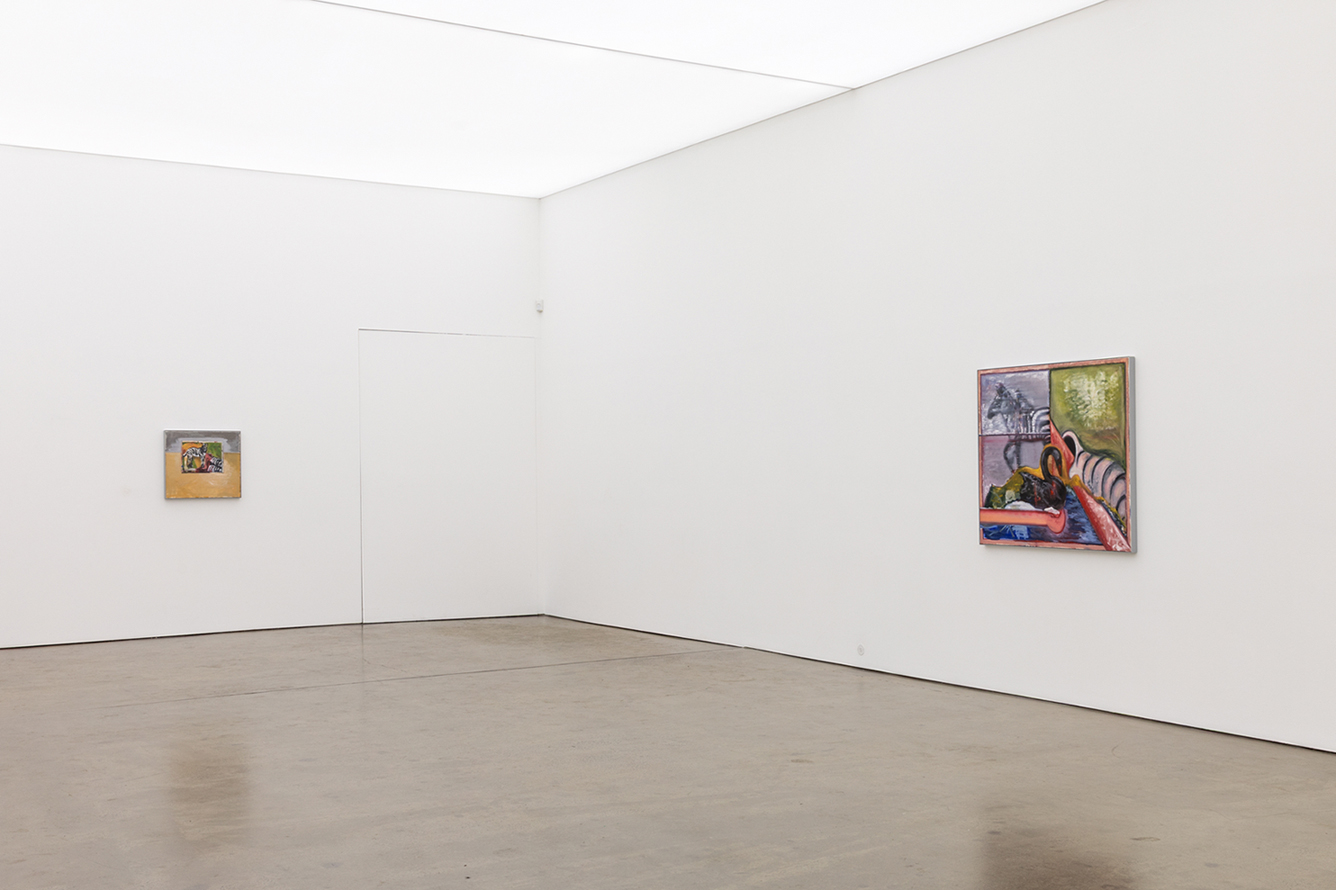
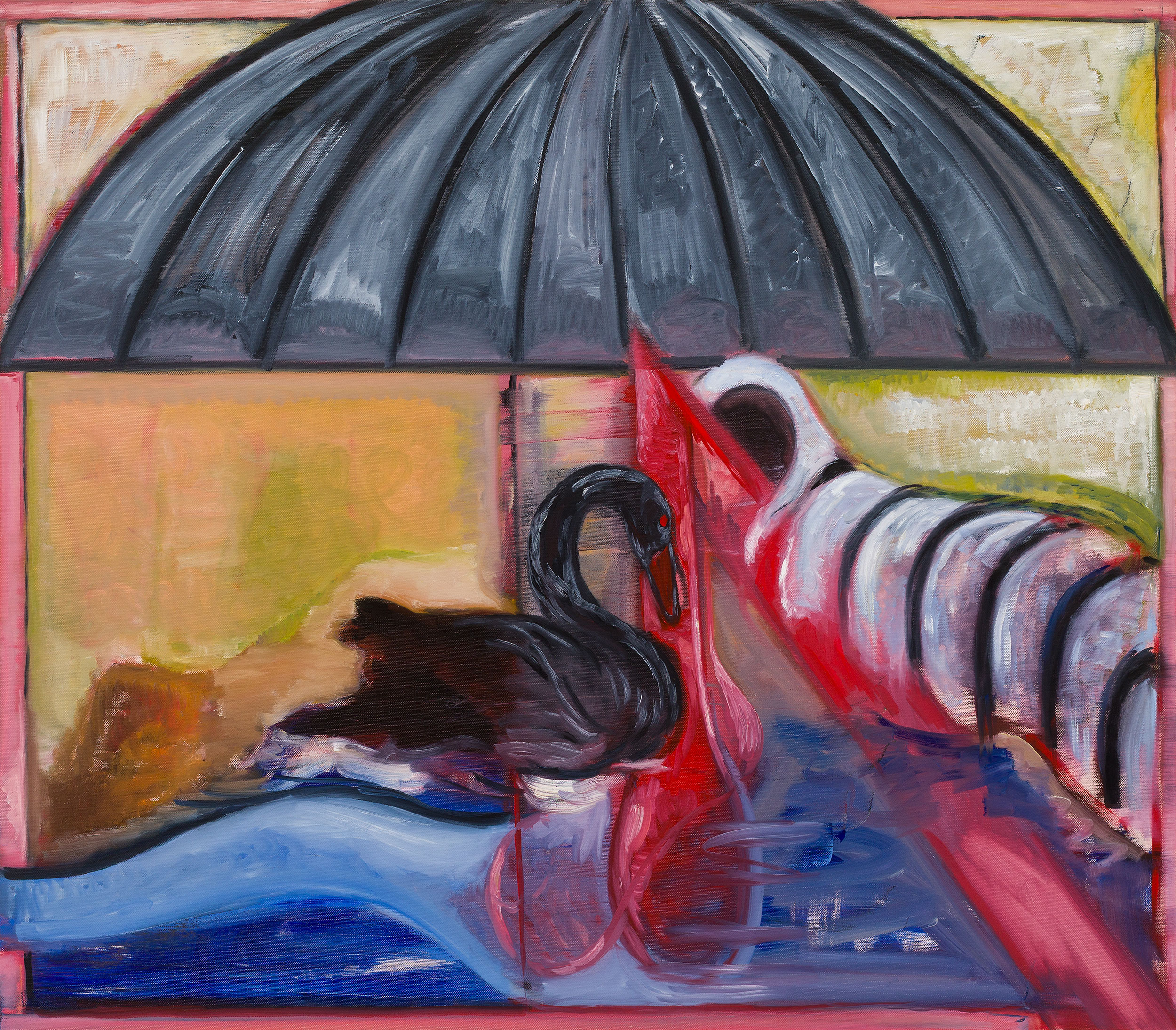
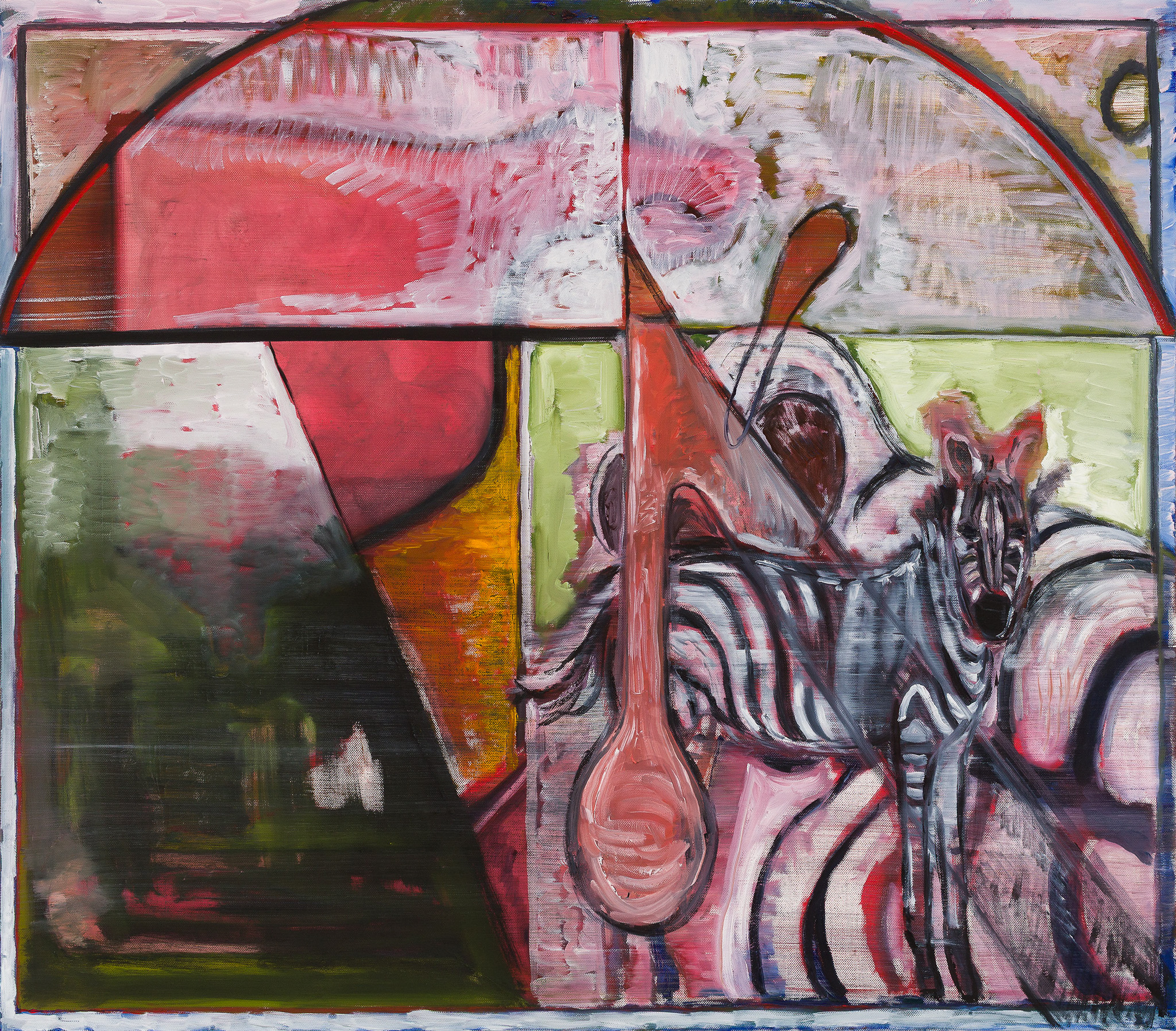
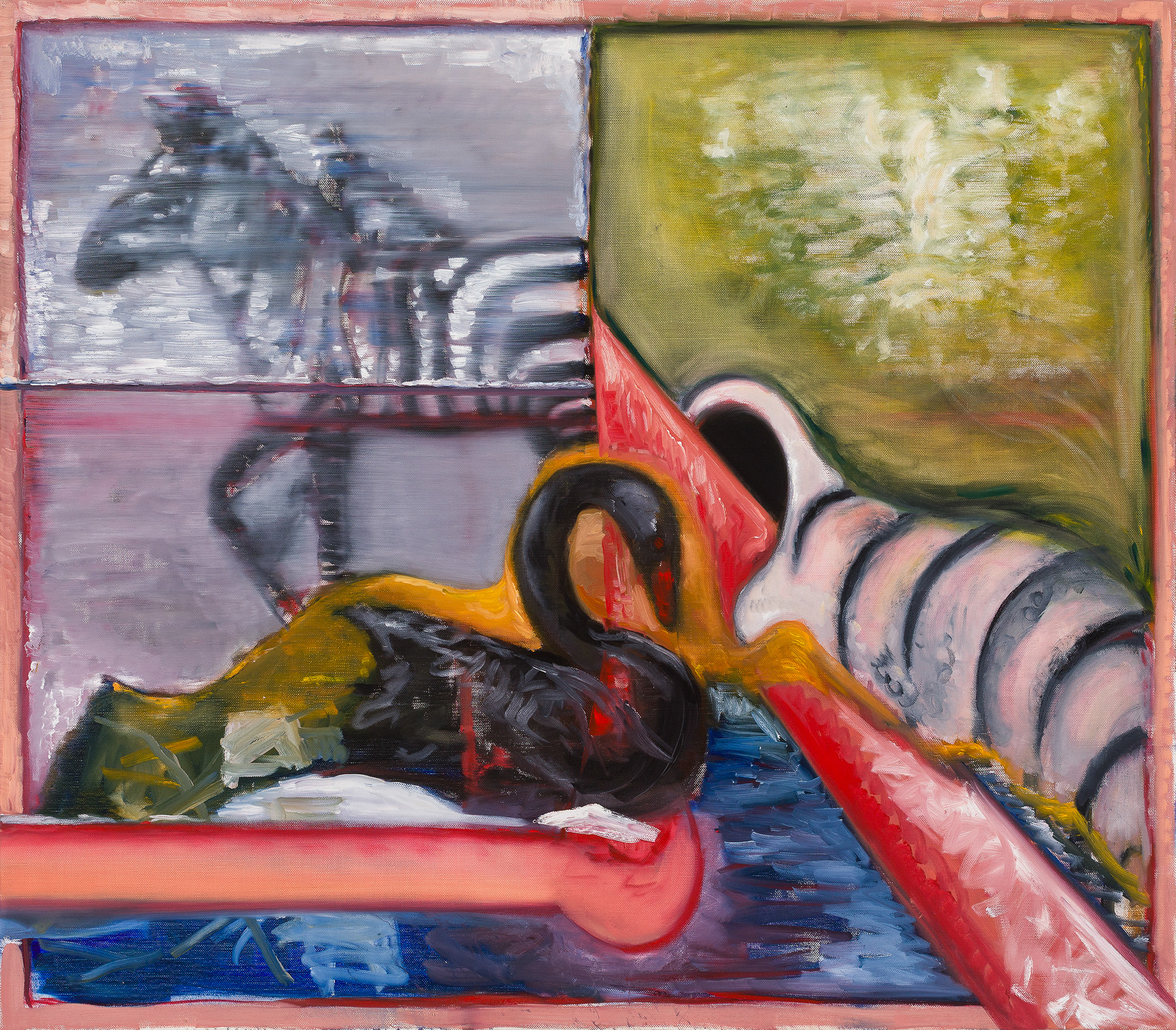
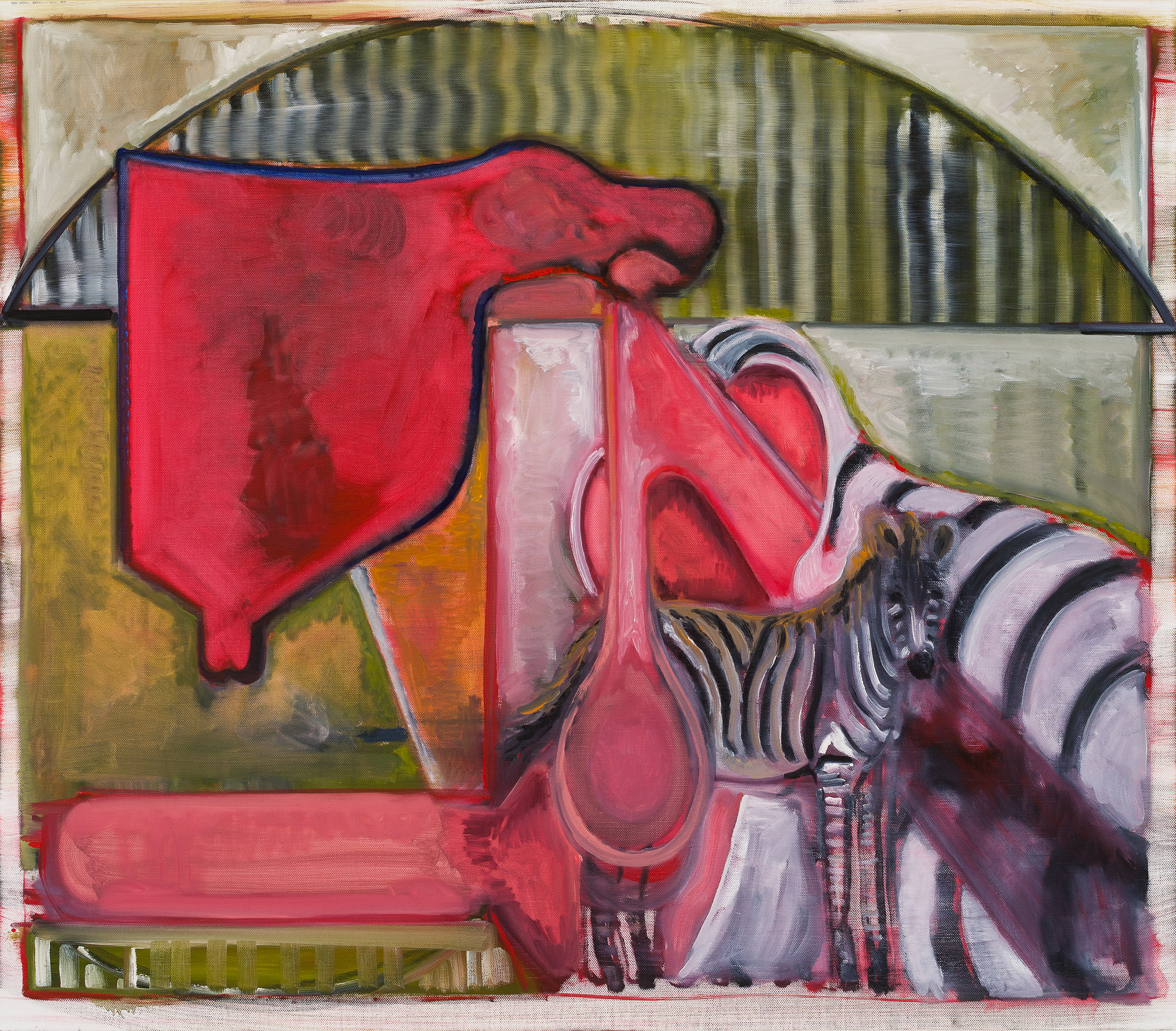
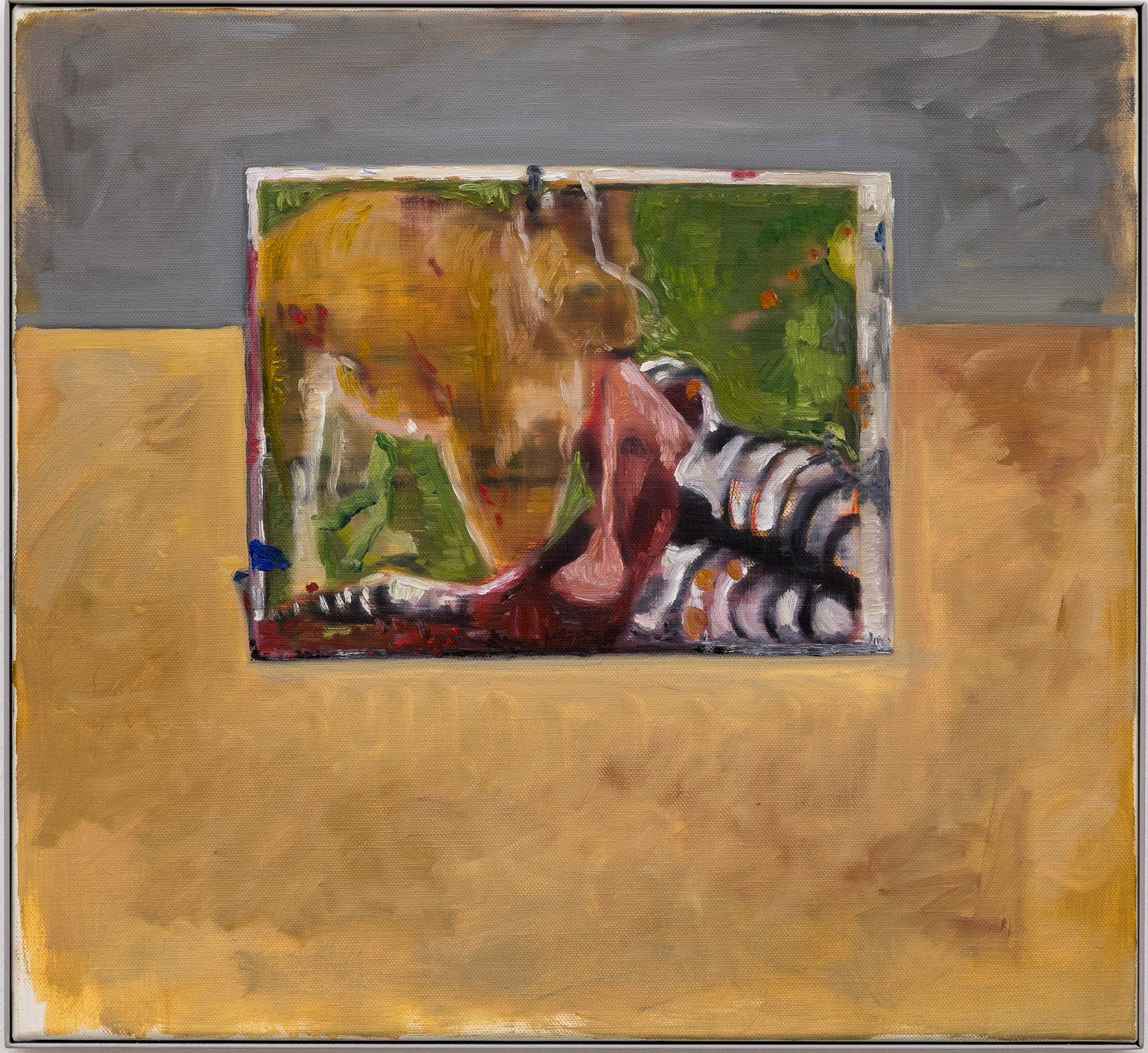
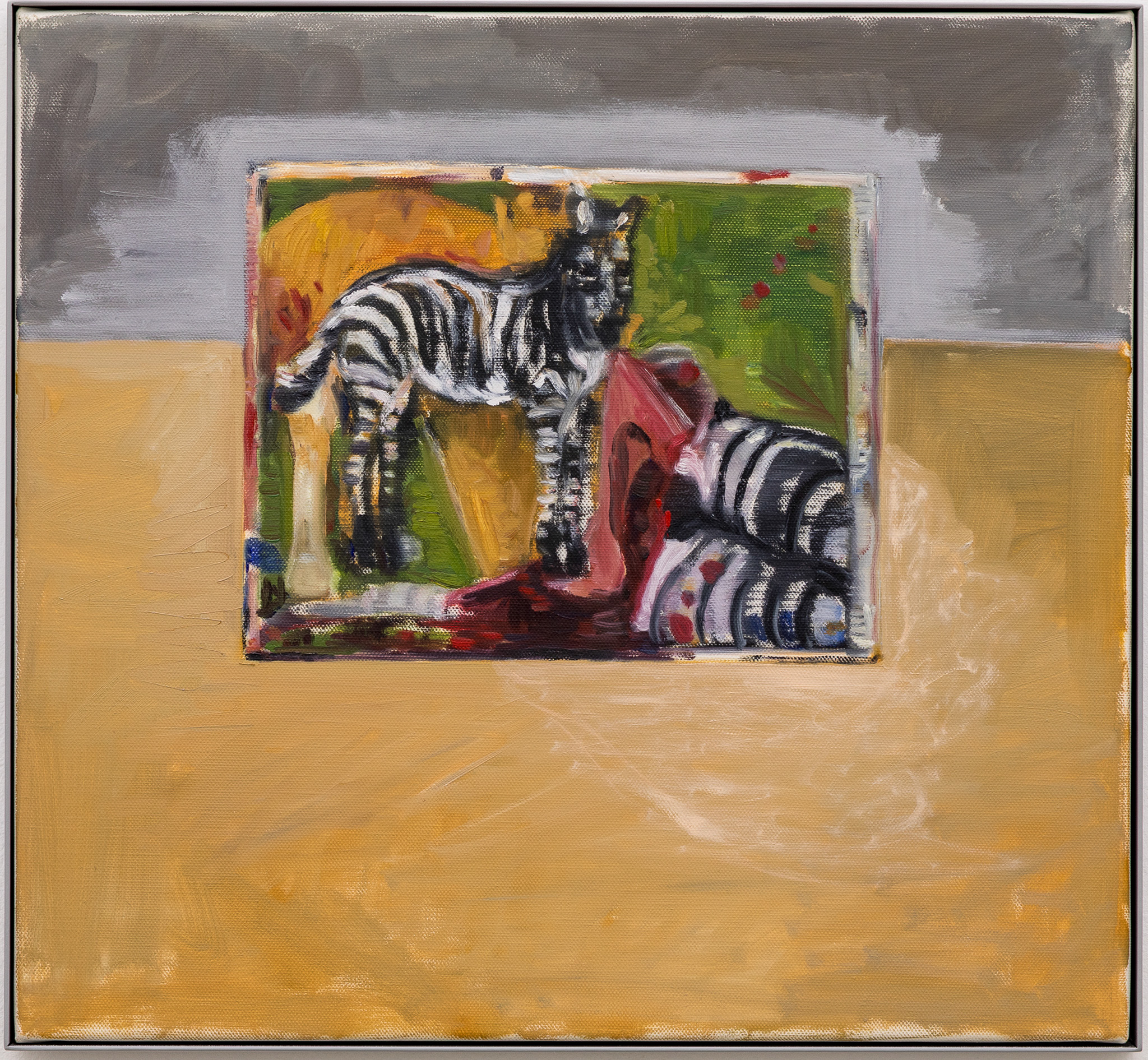
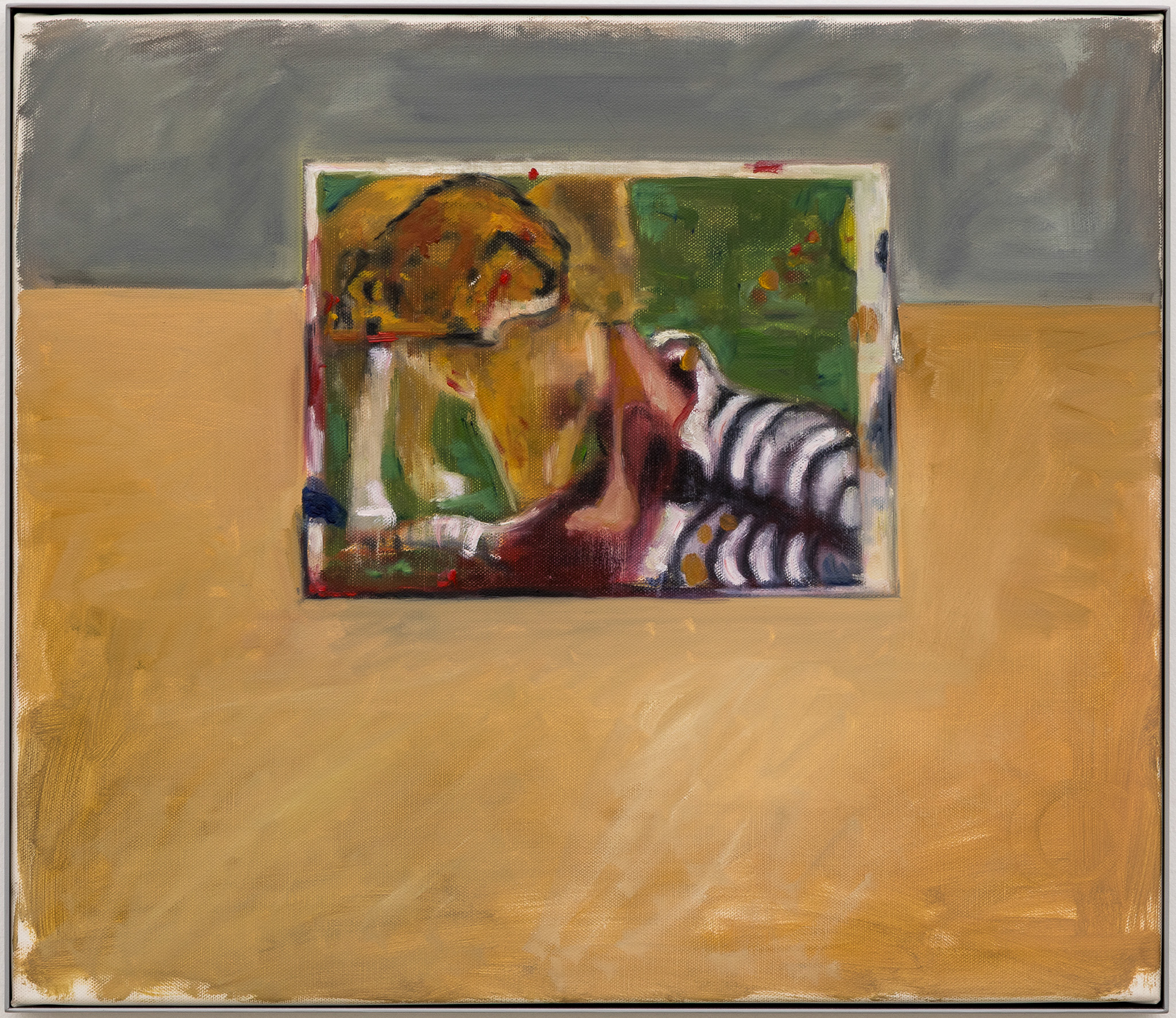
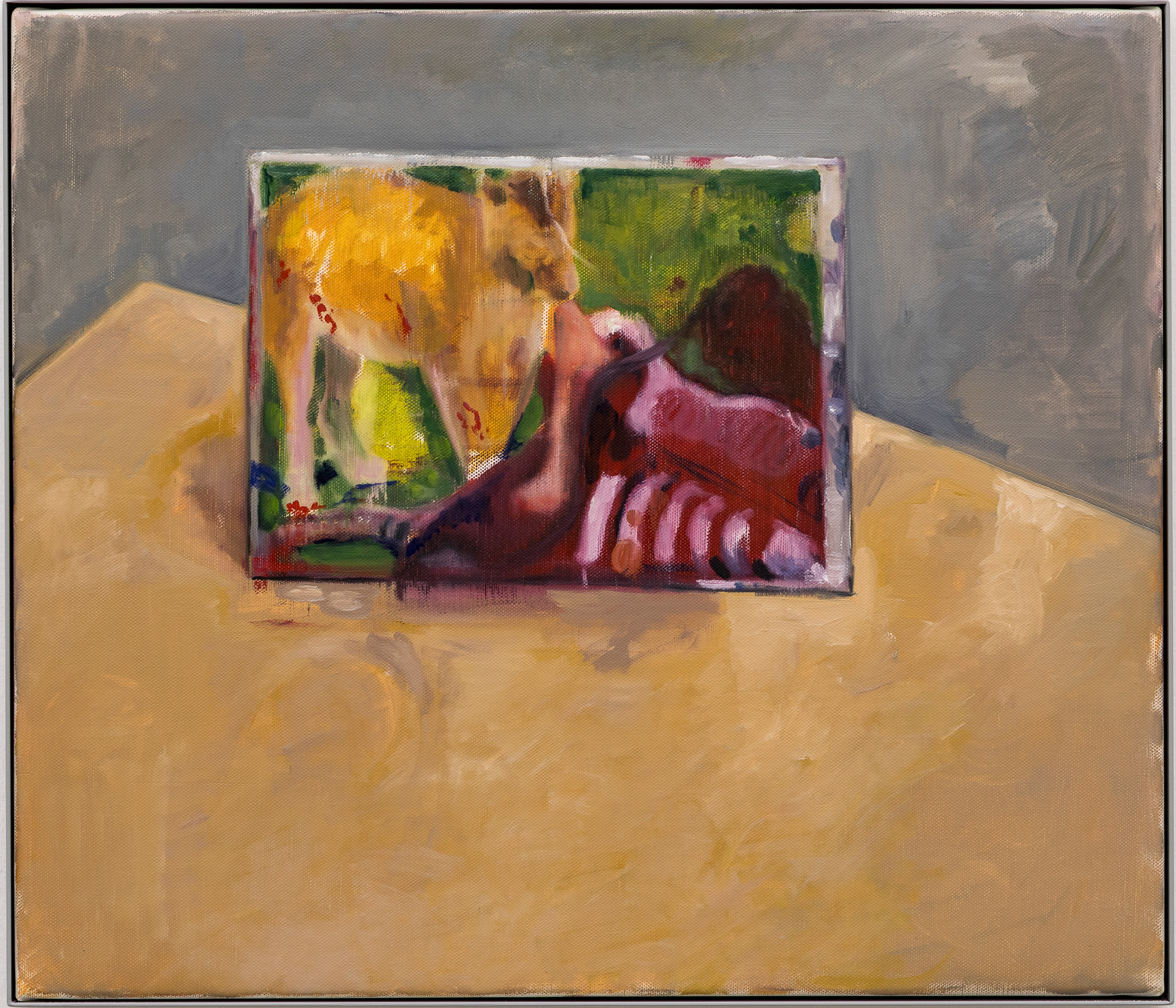
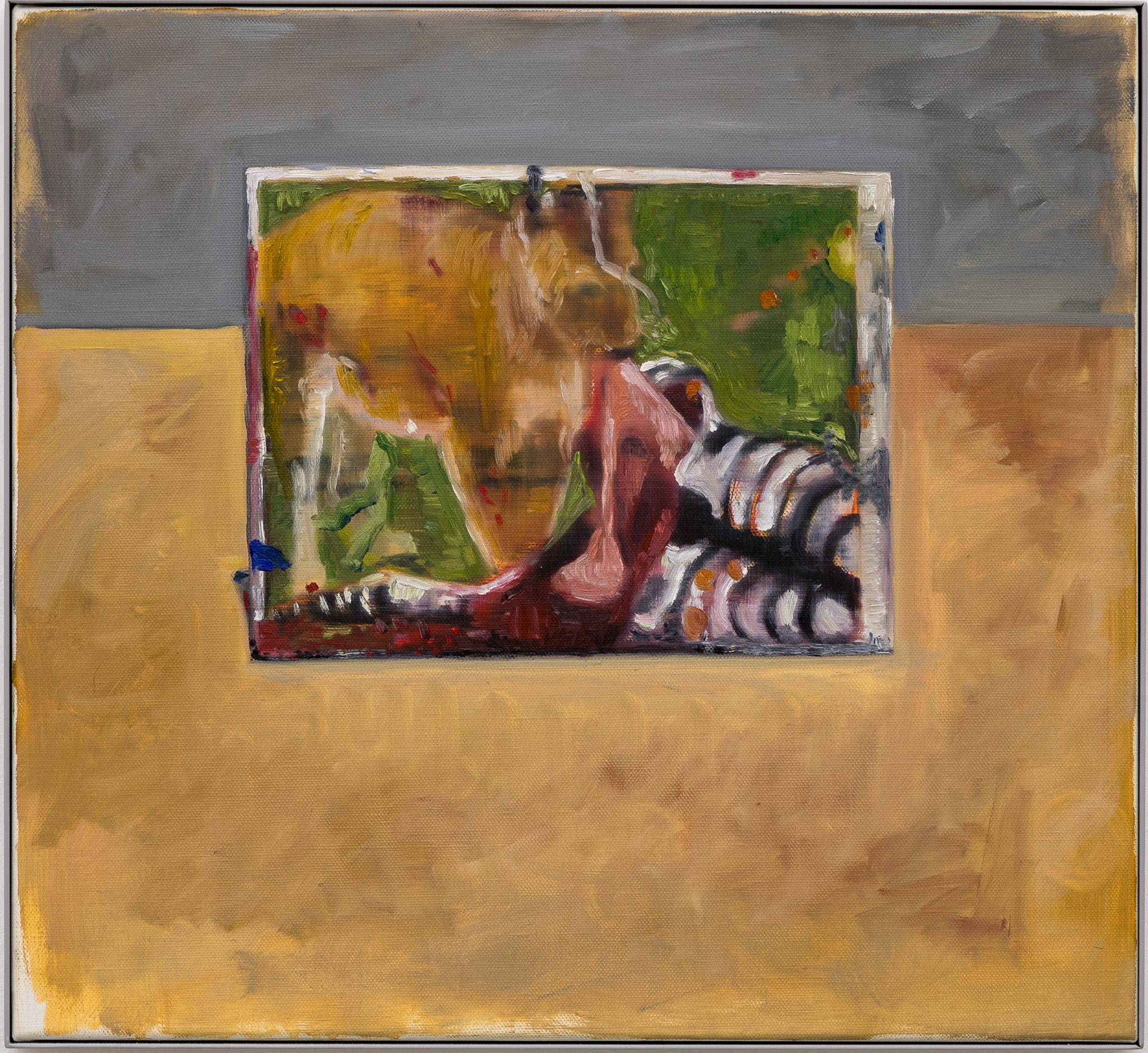
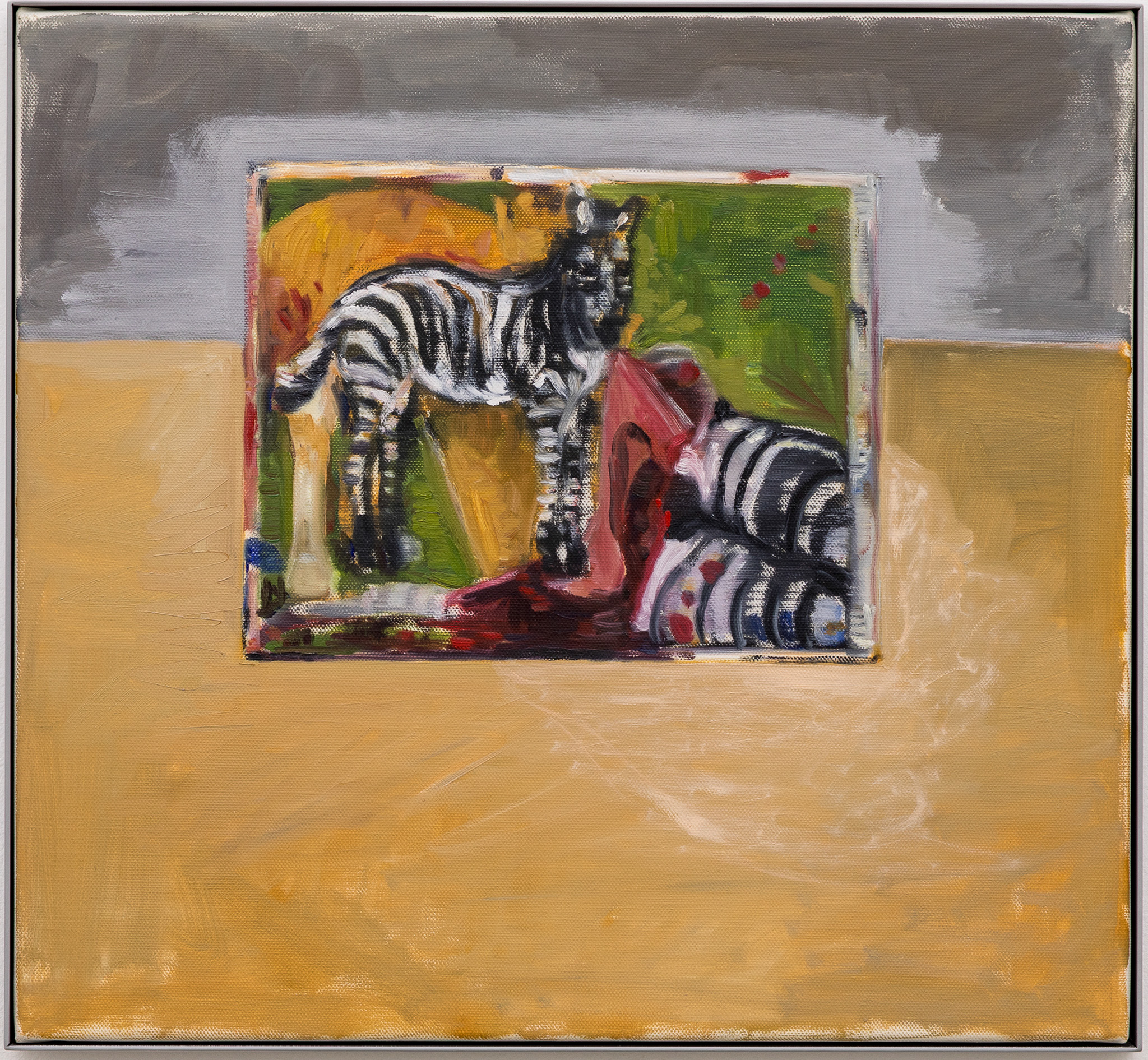
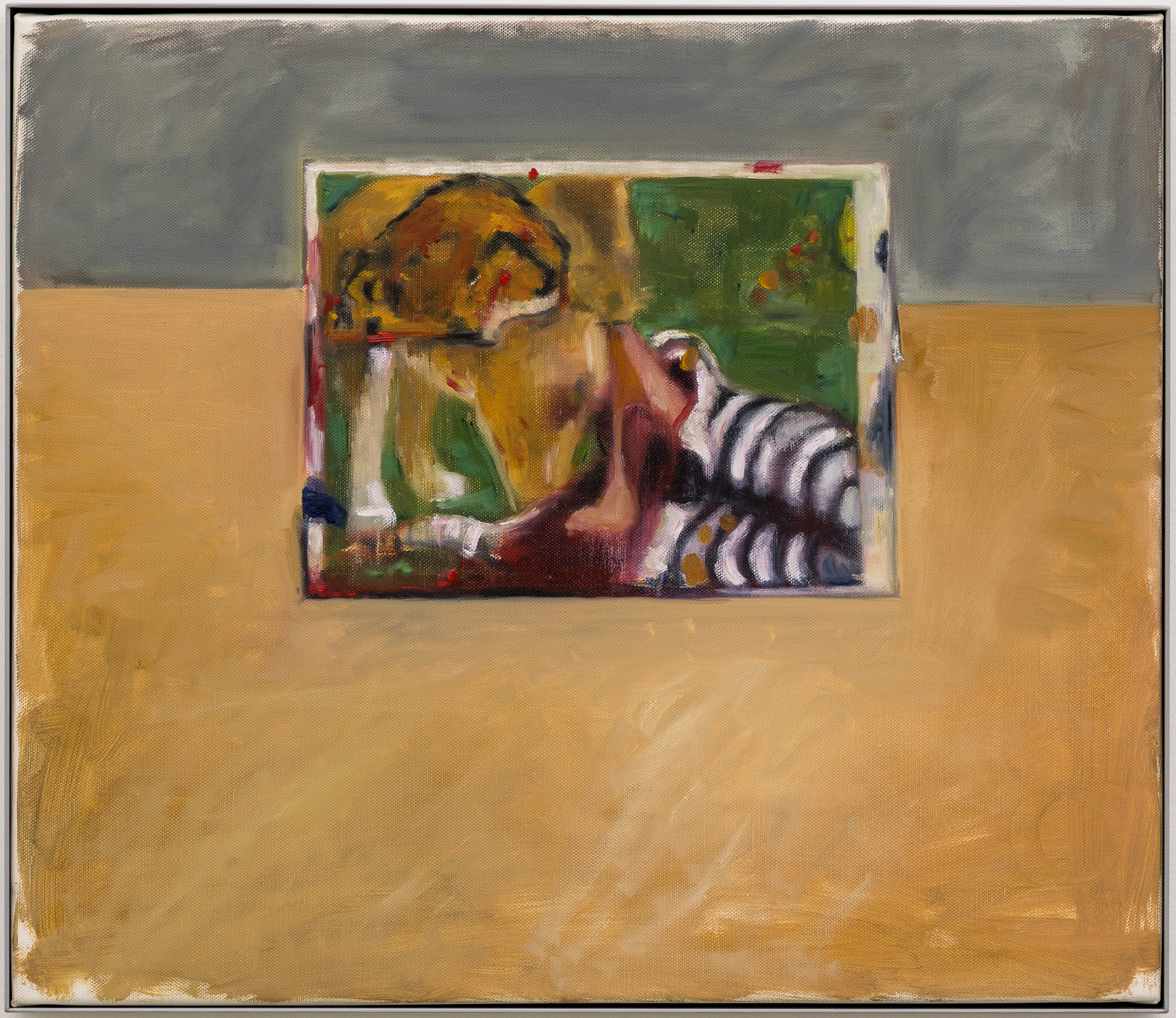
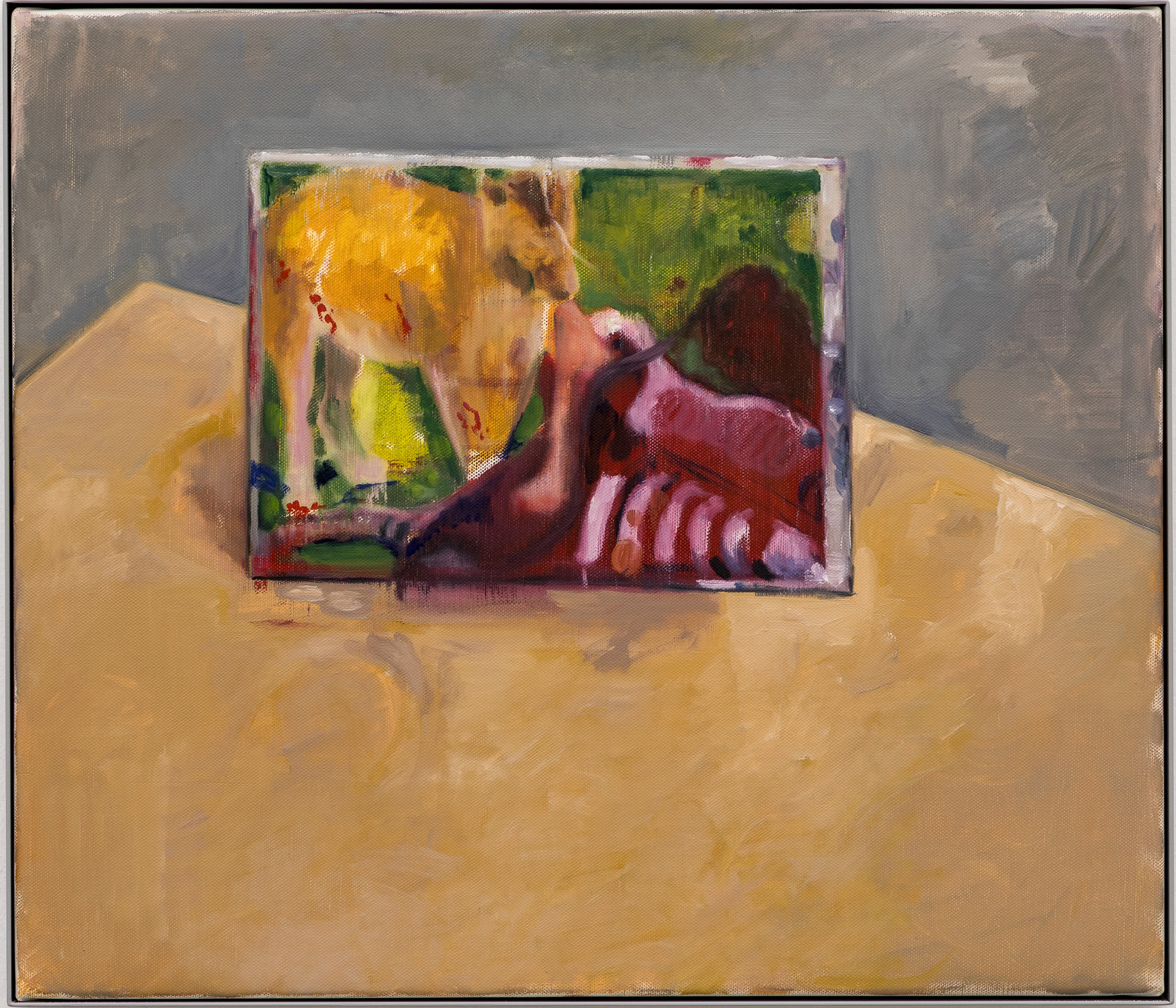
‘Picture in a window’ continues this sustained investigation through a single image that has occupied McKenna for many years: a lion eating a zebra. By returning to this subject, the artist interrogates an inexhaustible terrain of power, beauty, violence, life and death.
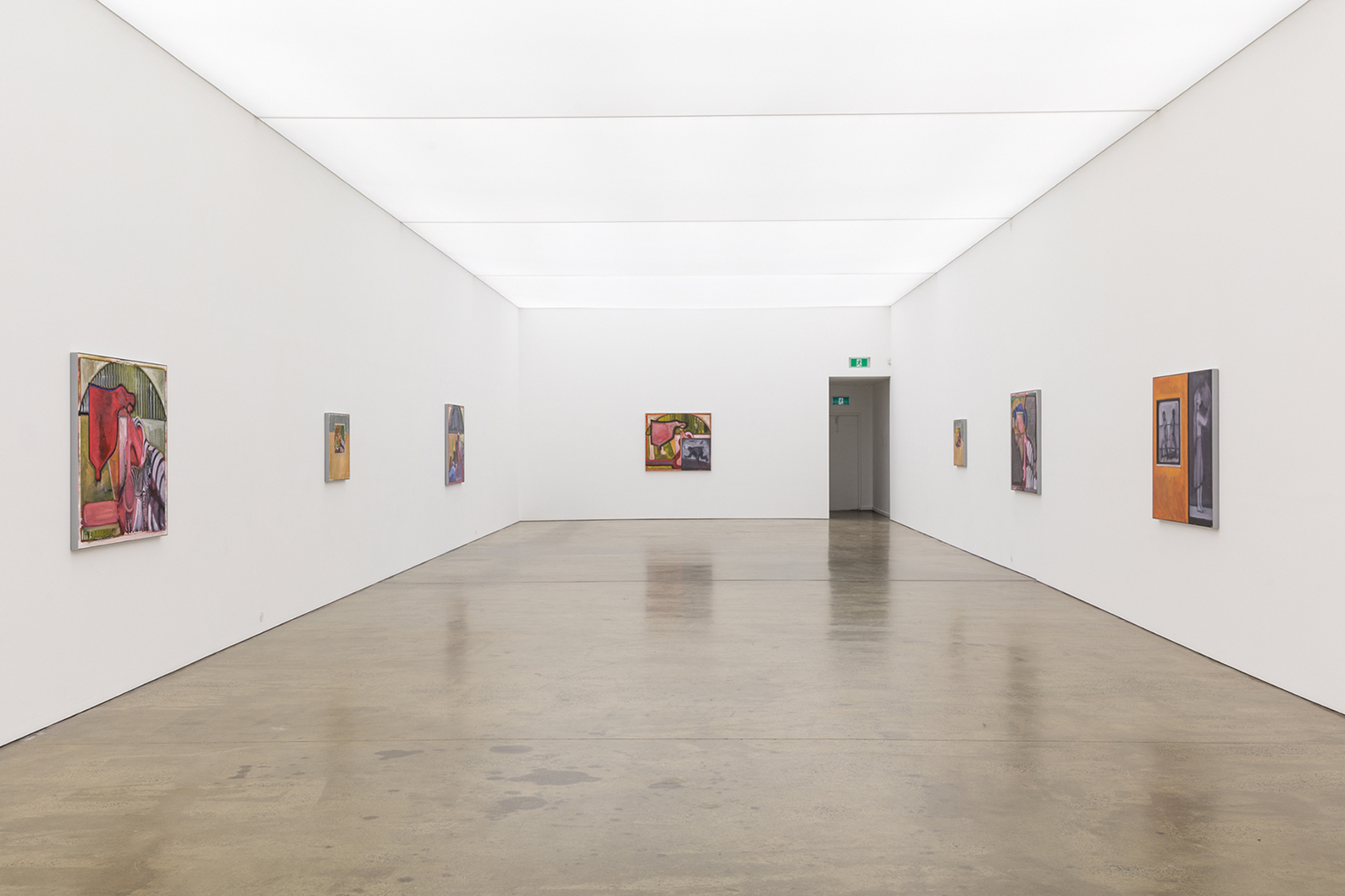
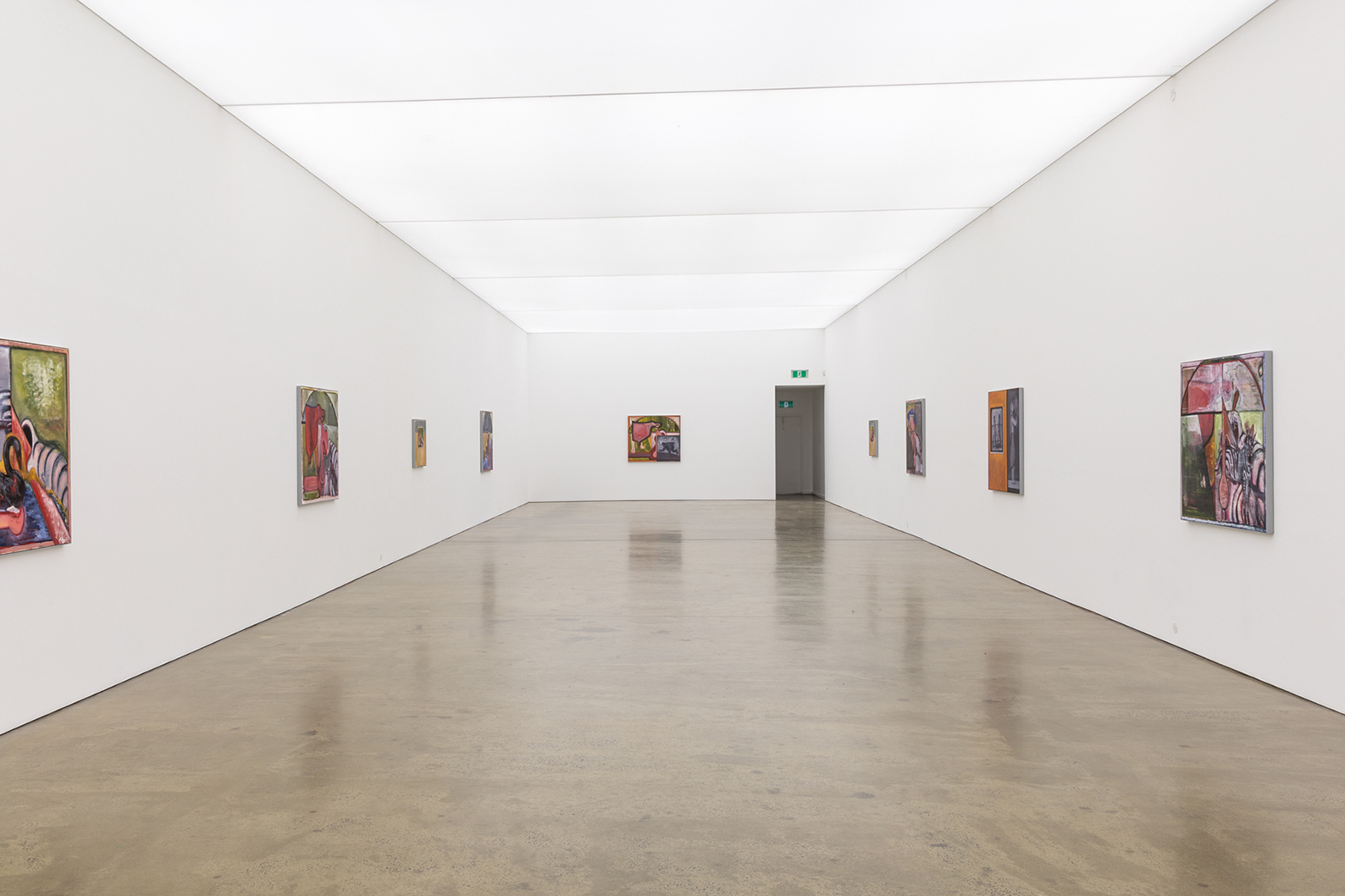
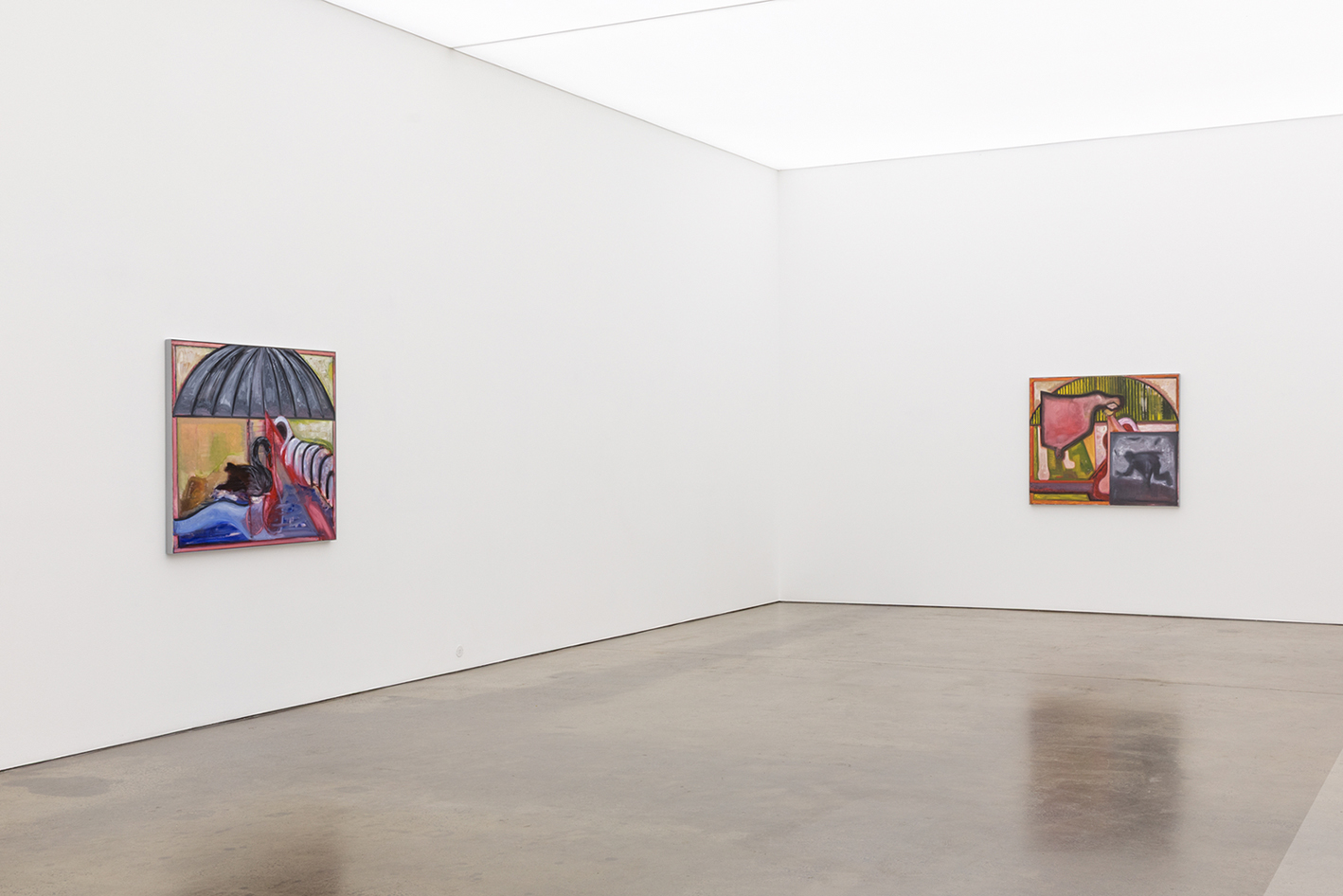
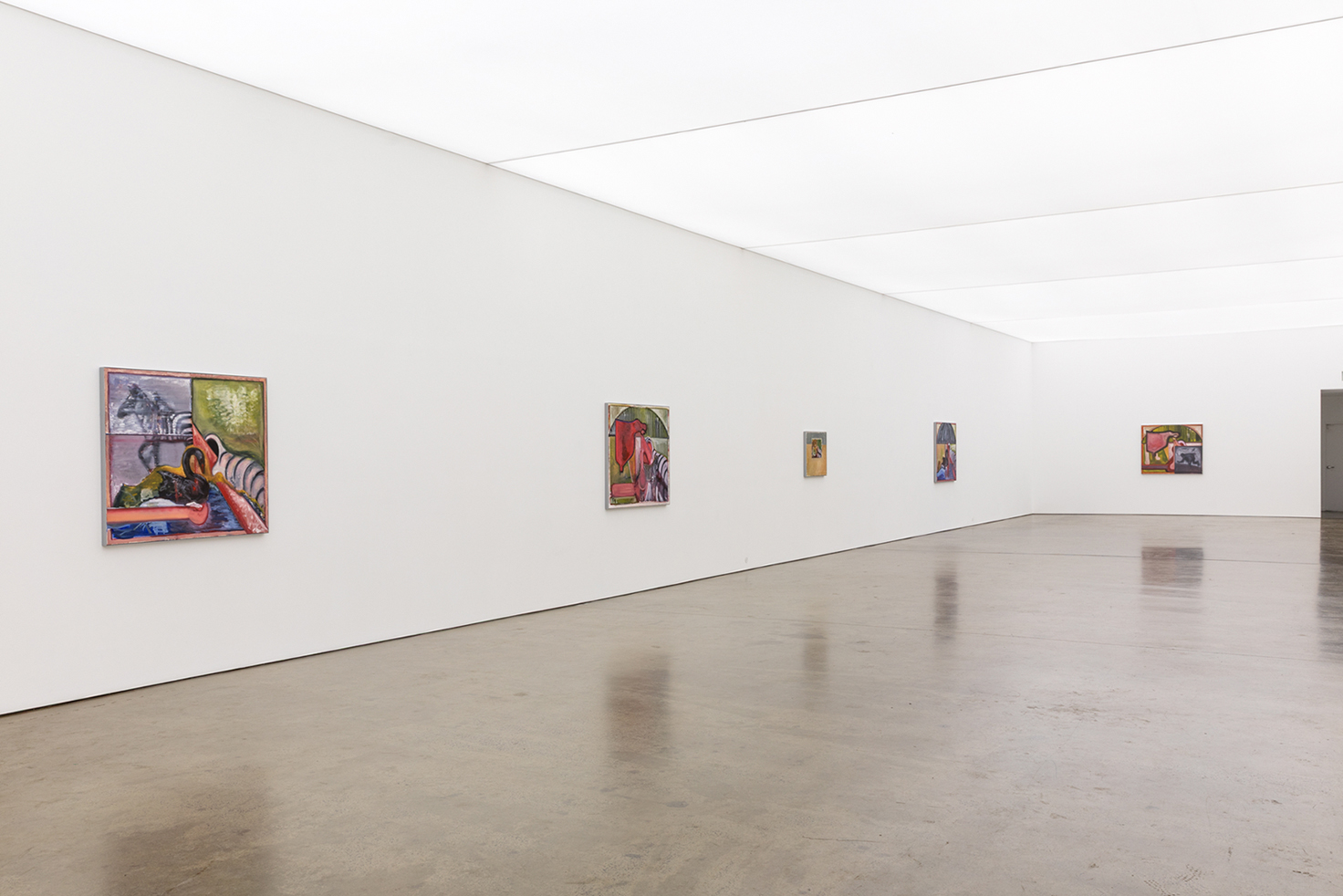
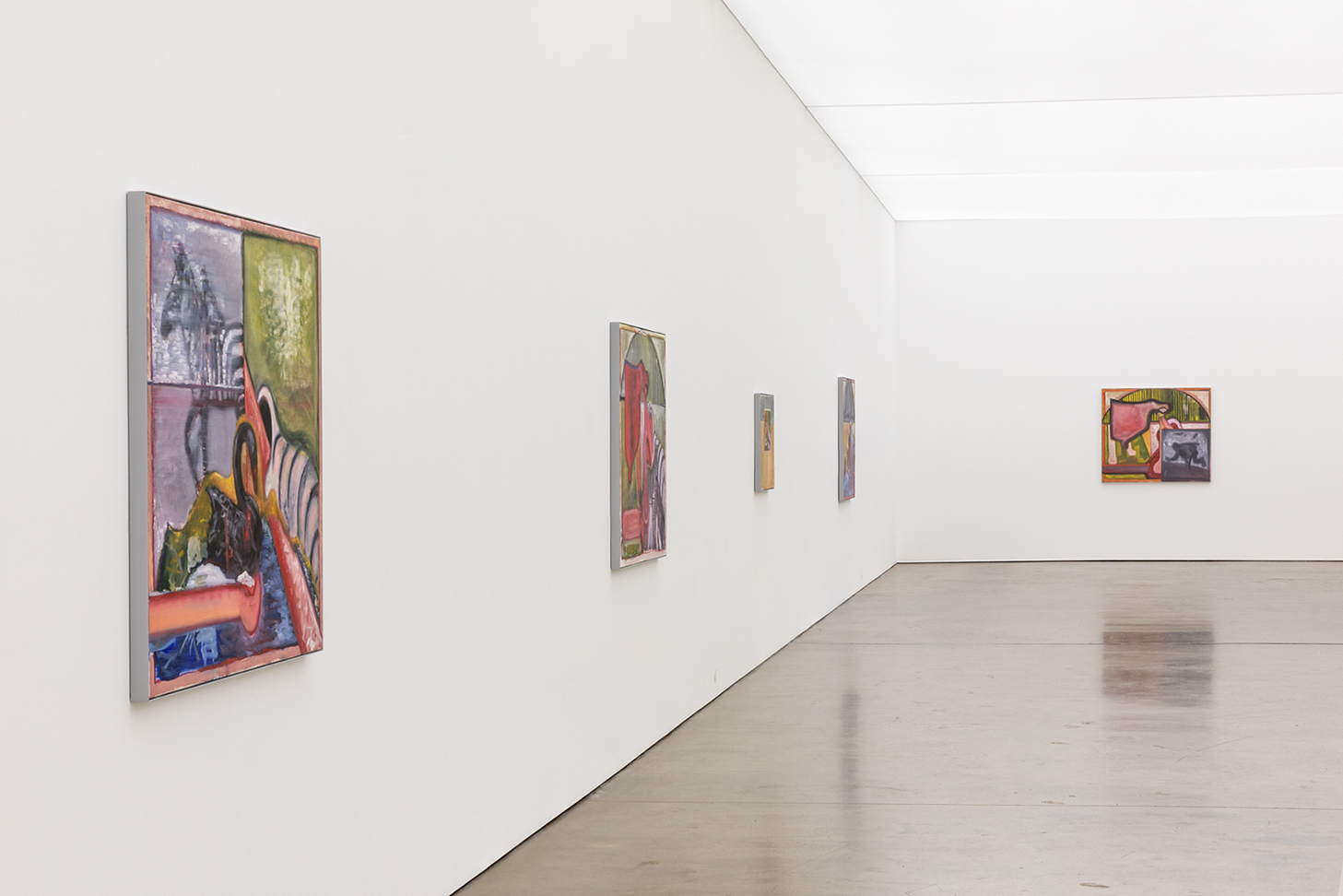
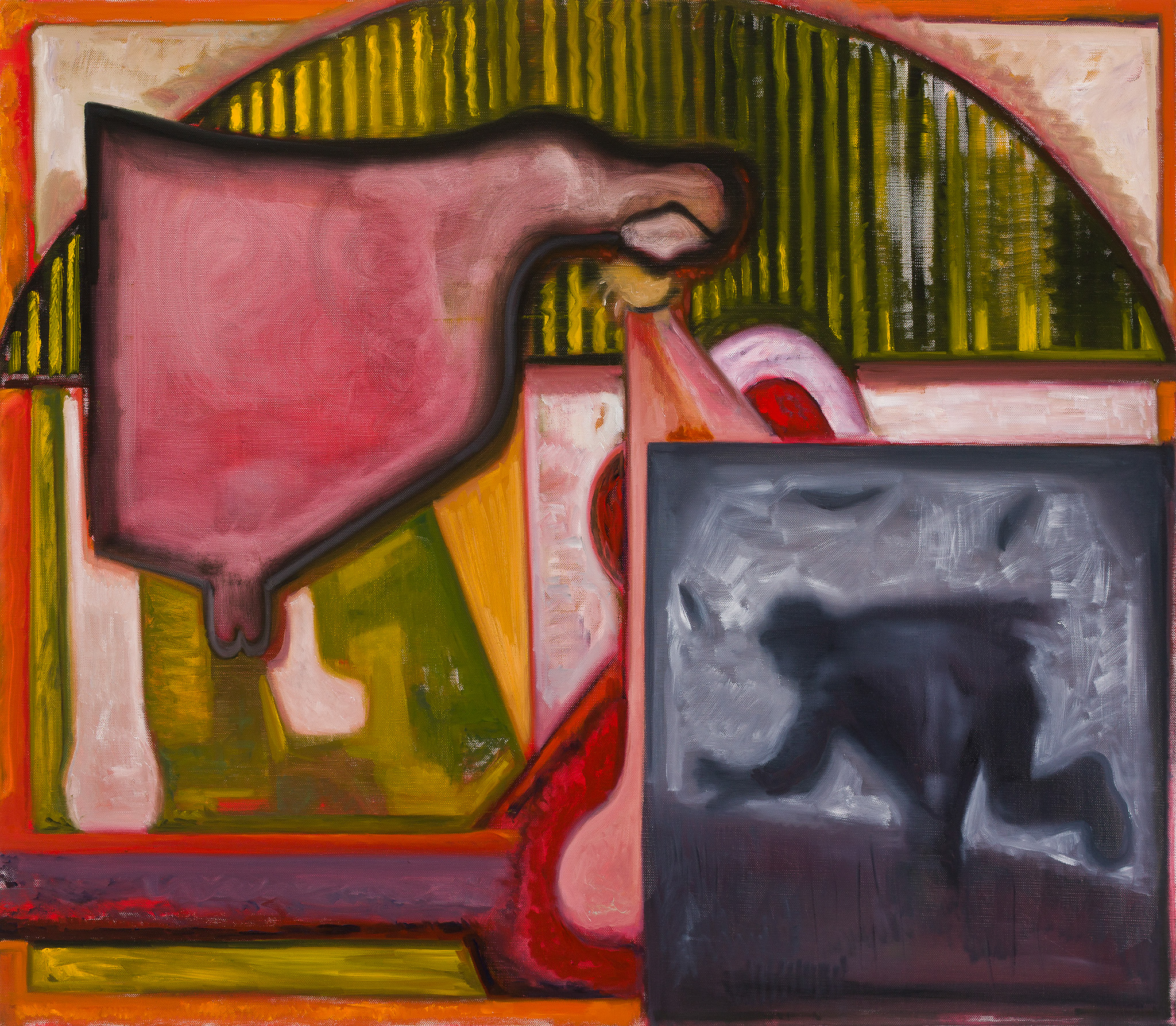
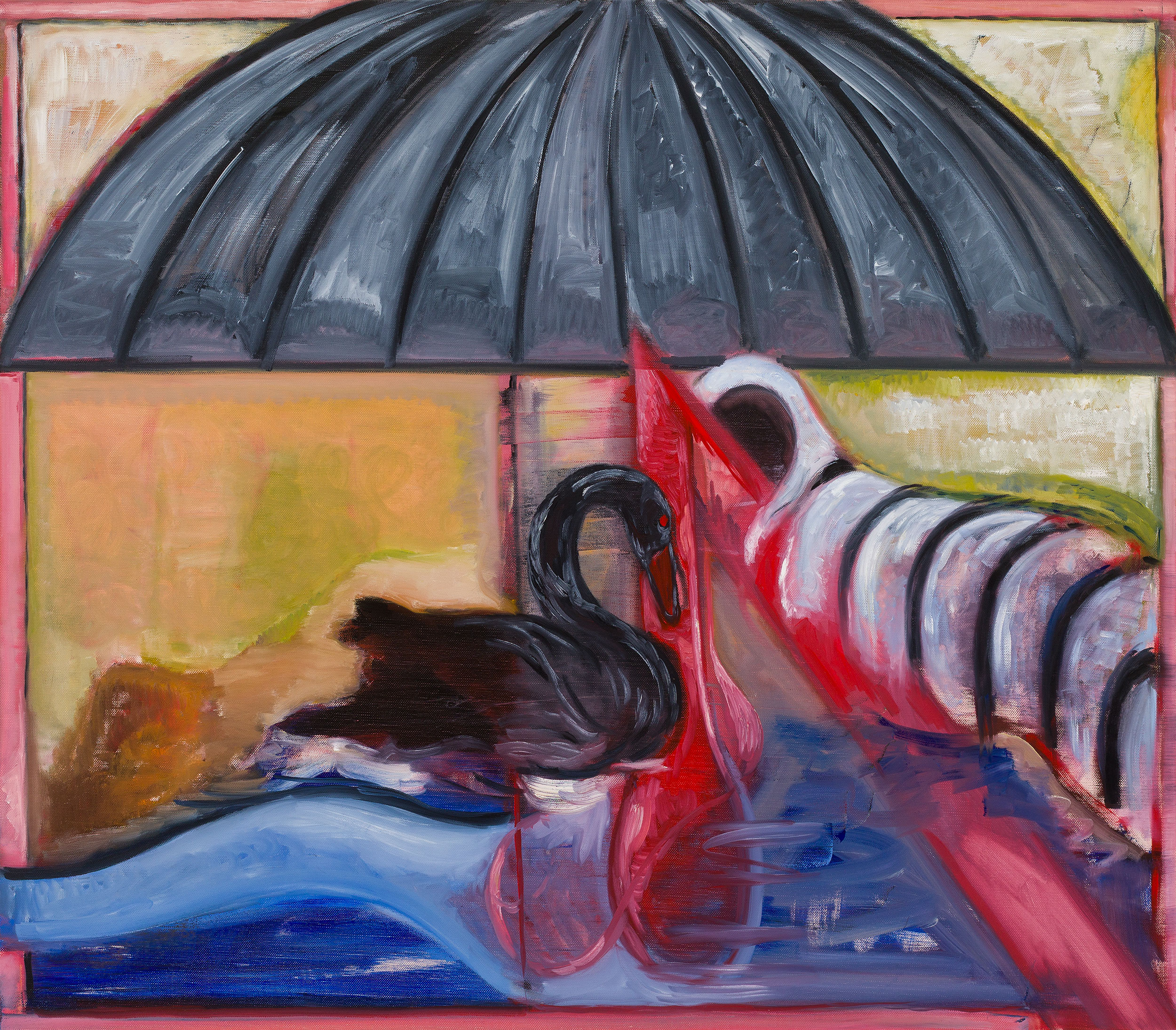
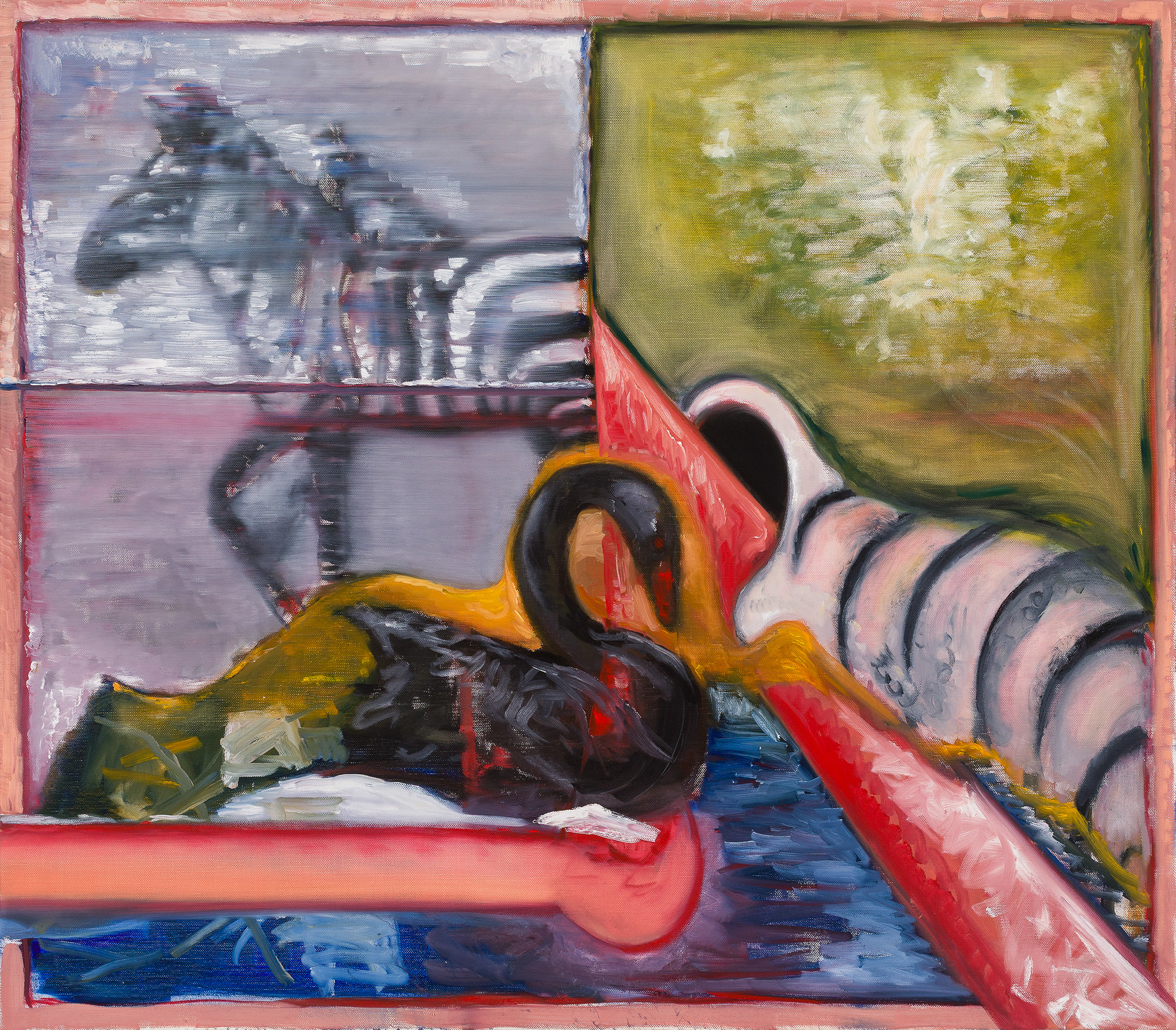
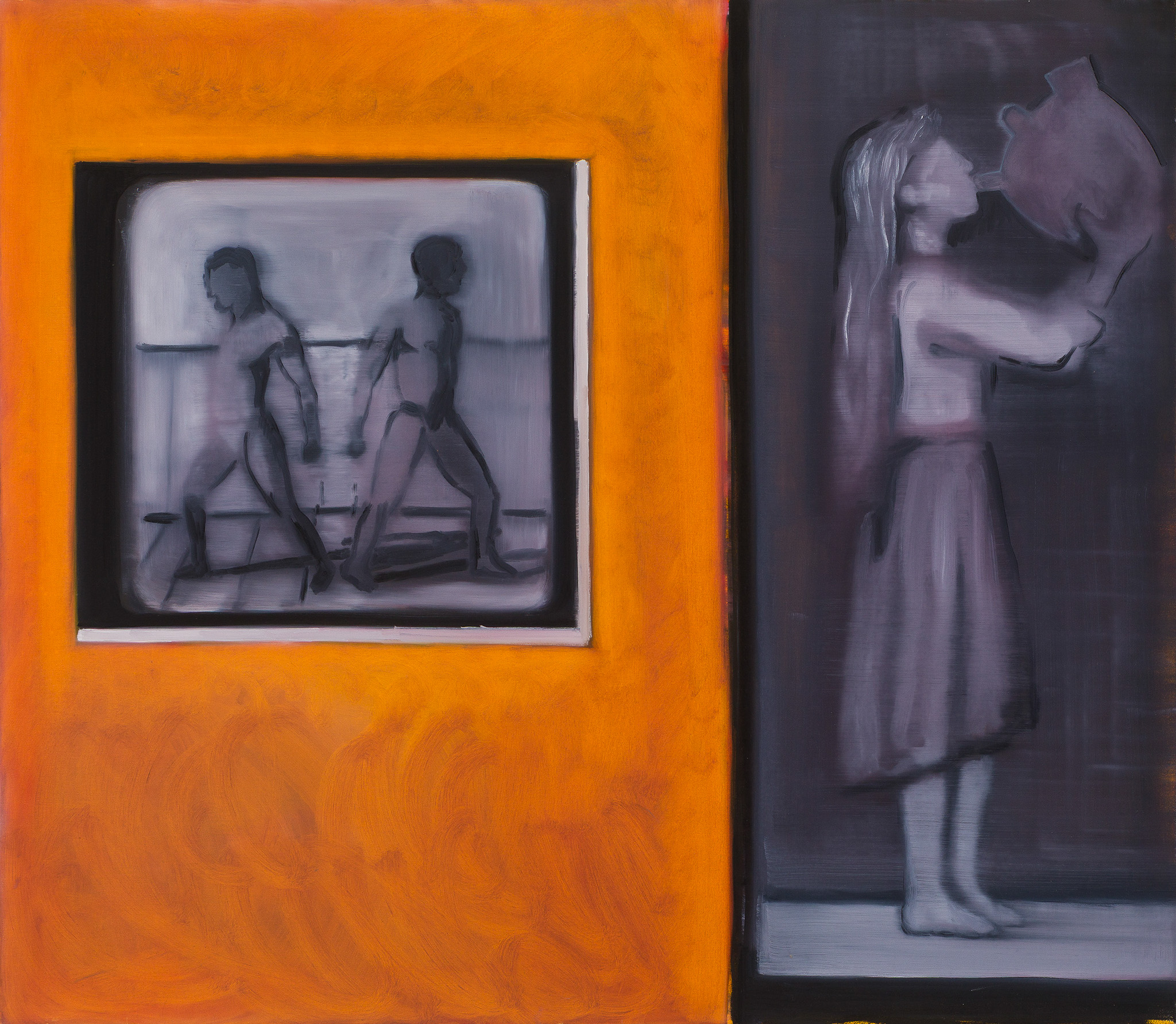
Moya McKenna, 'Black swan', 2025. Oil on canvas, 120 x 154 cm.

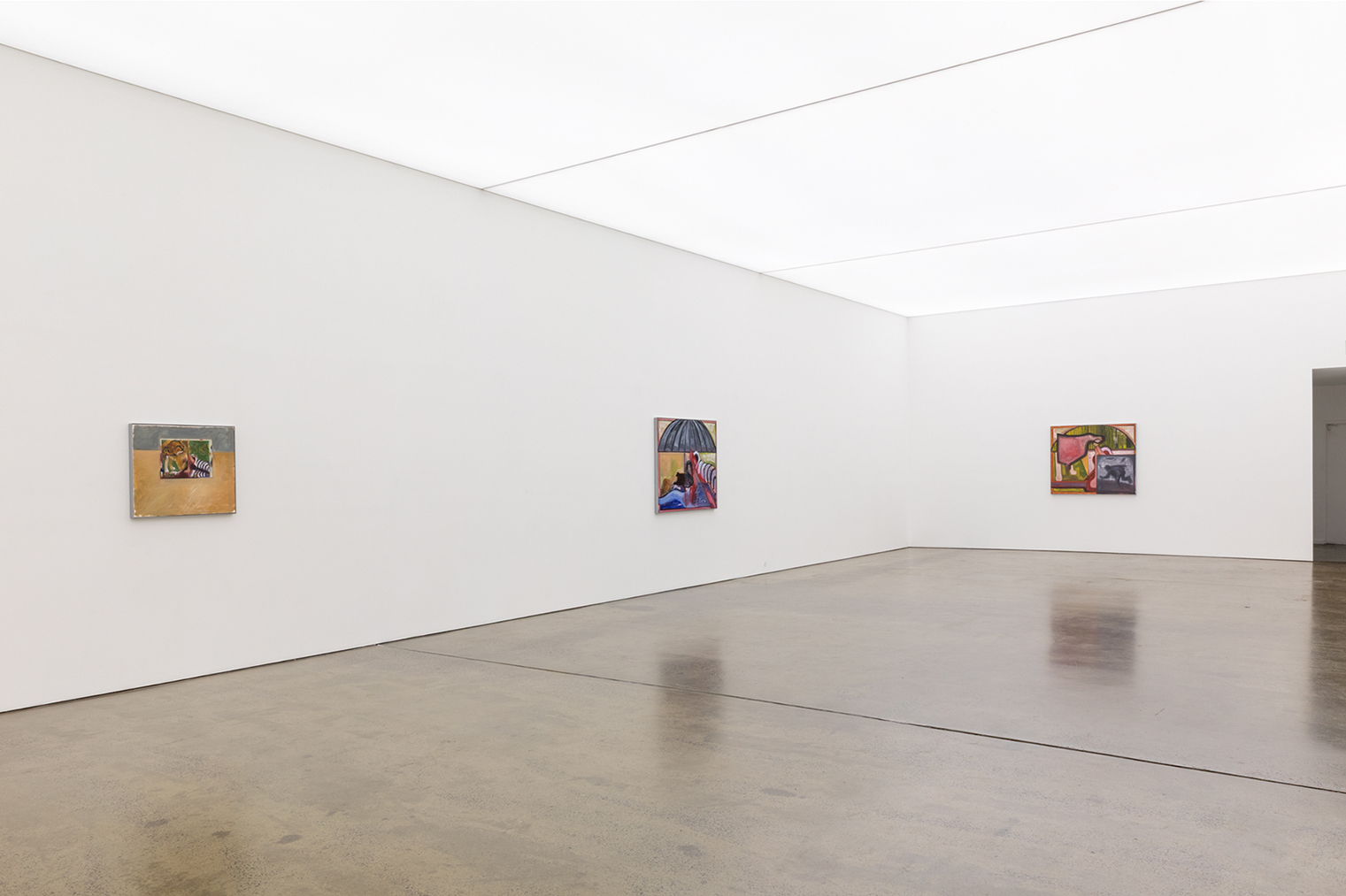
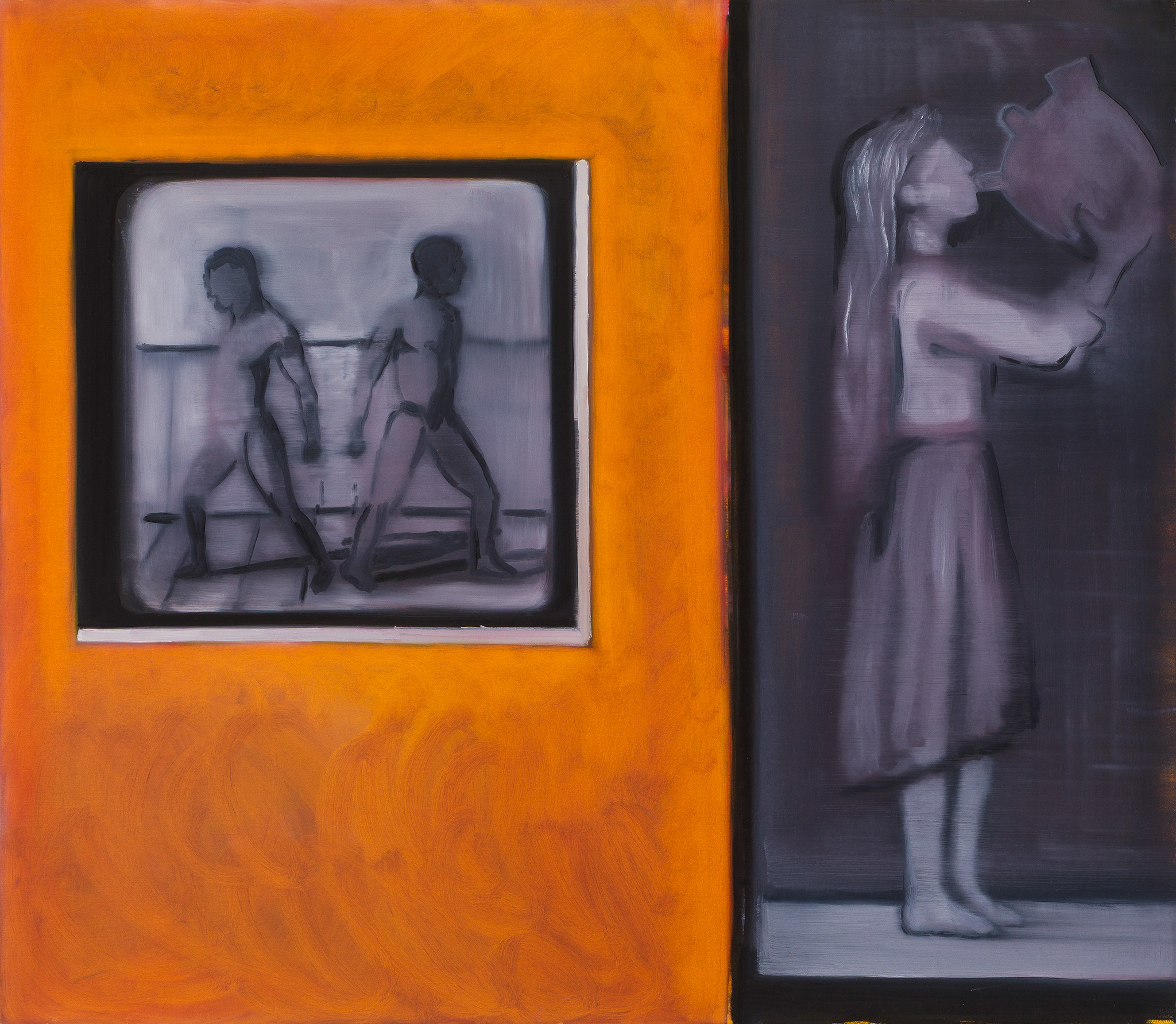
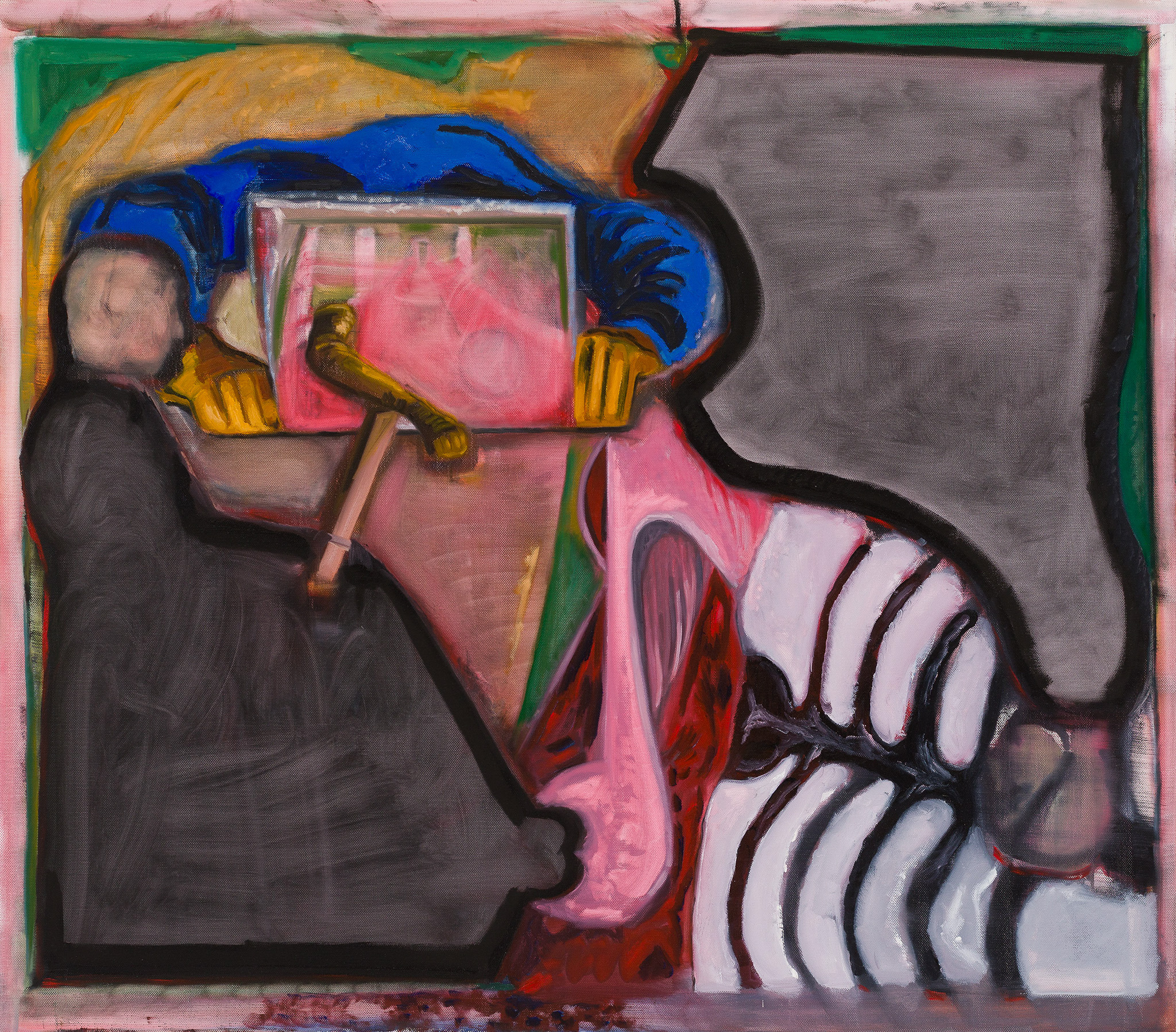
To begin each painting, the artist starts with collages assembled from an idiosyncratic collection of found images. Alongside the image of the lion are a photograph of a swan, a Tom Waits CD cover, cut-outs of zebras and a detail from ‘Whistler’s Mother’ (1871). These disparate fragments are stacked within the picture plane without the intention of fixed narrative. Instead, the compositions emerge through repetition, chance and the intuitive relationships that develop between images as they are painted and caressed into being.

Produced over a series of days, the paintings remain responsive to the shifting textures and emotions of their making. Retaining the flat spatial logic of collage, McKenna builds each work through repeated forms, instinctive layering and gestural mark-making. As images recur, dissolve and transfer between paintings, each work gives rise to the next, creating a rhythm that unfolds across the exhibition. If one painting settles into sensuality, the next deliberately seeks its opposite.

For McKenna, ‘Picture in a window’ marks an act of release. Rather than reinforcing her attachment to the lion and zebra, repeatedly returning to the image became a way of exhausting its hold. Each painting allows the image to move elsewhere, carrying traces of its previous lives while remaining open to new associations.

Borrowing its title from Tom Waits’ song ‘Picture in a Frame’, the exhibition imagines the painted frame as a window. Some forms press beyond its edges while others remain contained within it, creating compositions that are simultaneously expansive and intimate. Like the process that produced them, these paintings resist closure, inviting images to drift, recur and continually become something else.

Exhibitions (6)